
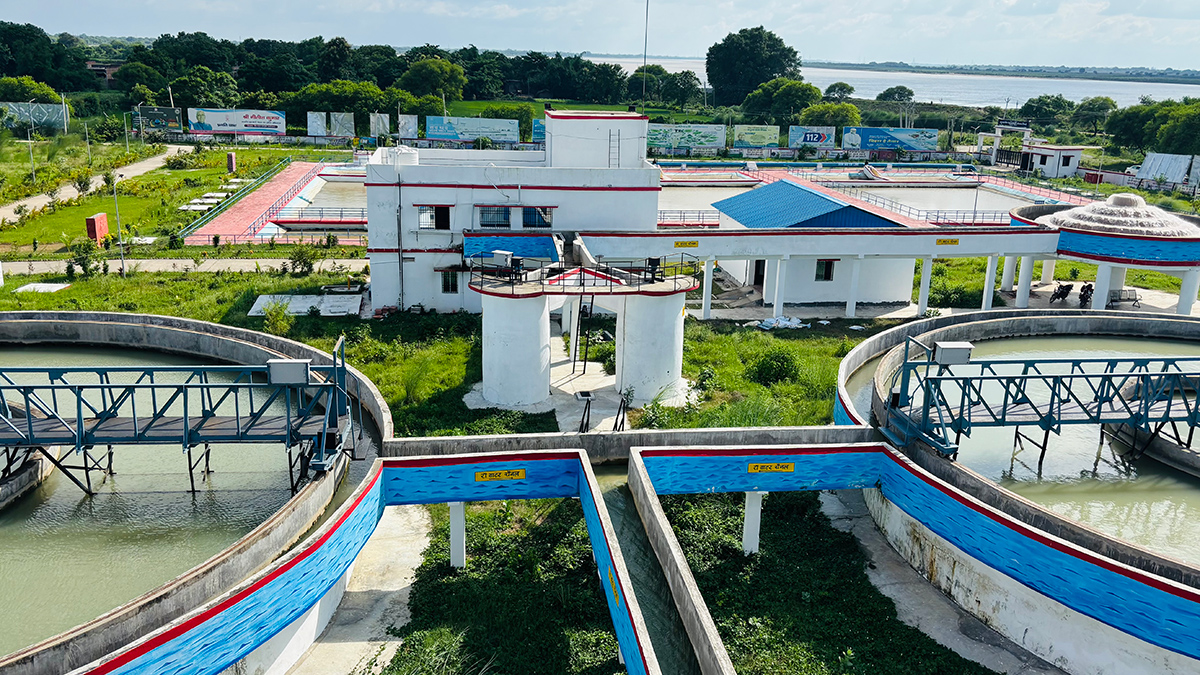
Some regions that did need systems to treat carcinogens such as arsenic went without.
Earth science
Posted inNews
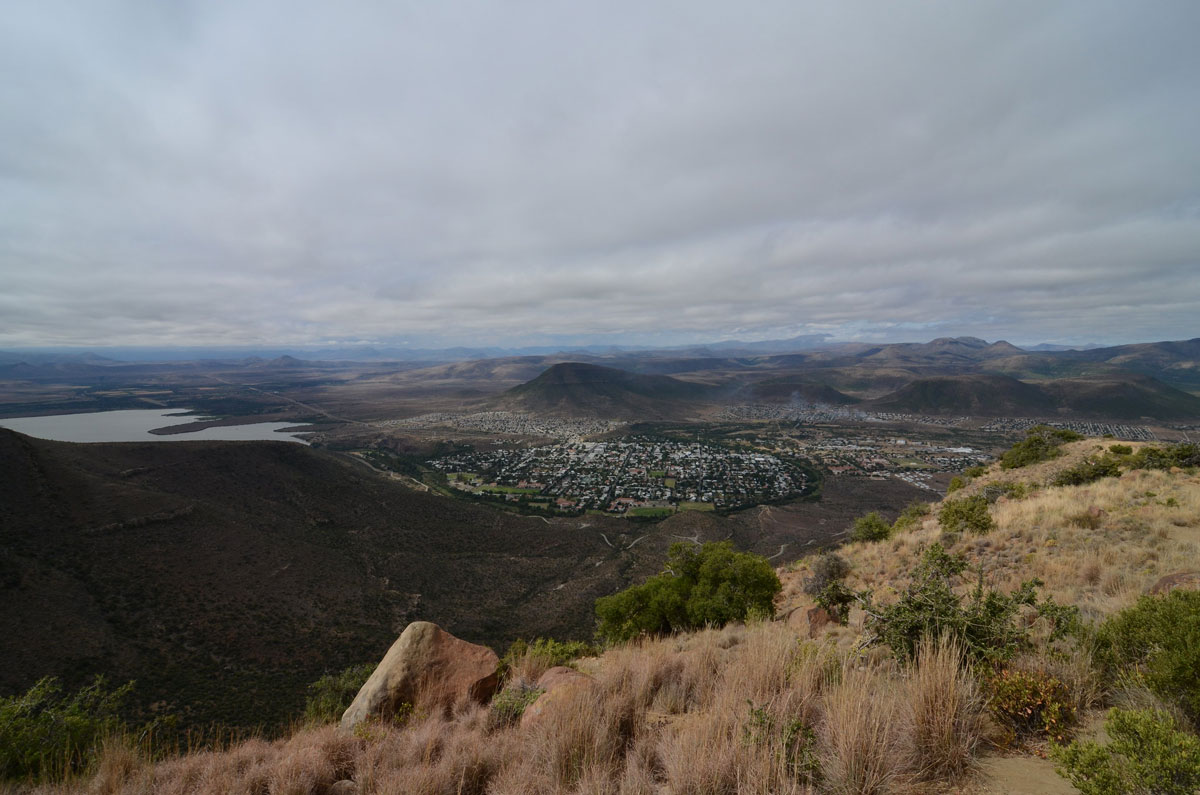
A Swarm of Earthquakes in South Africa’s Karoo Basin Poses Questions for Oil and Gas Development
A recent study cautions that the Karoo, a potential target for shale gas exploration, might not be as seismologically calm as it appears.

Posted inNews
Changes in Sea Ice Microstructure Could Affect Climate Models
Granular sea ice needs to be twice as porous as columnar ice to allow water to flow through it—up to 10% brine by volume.
Posted inResearch & Developments
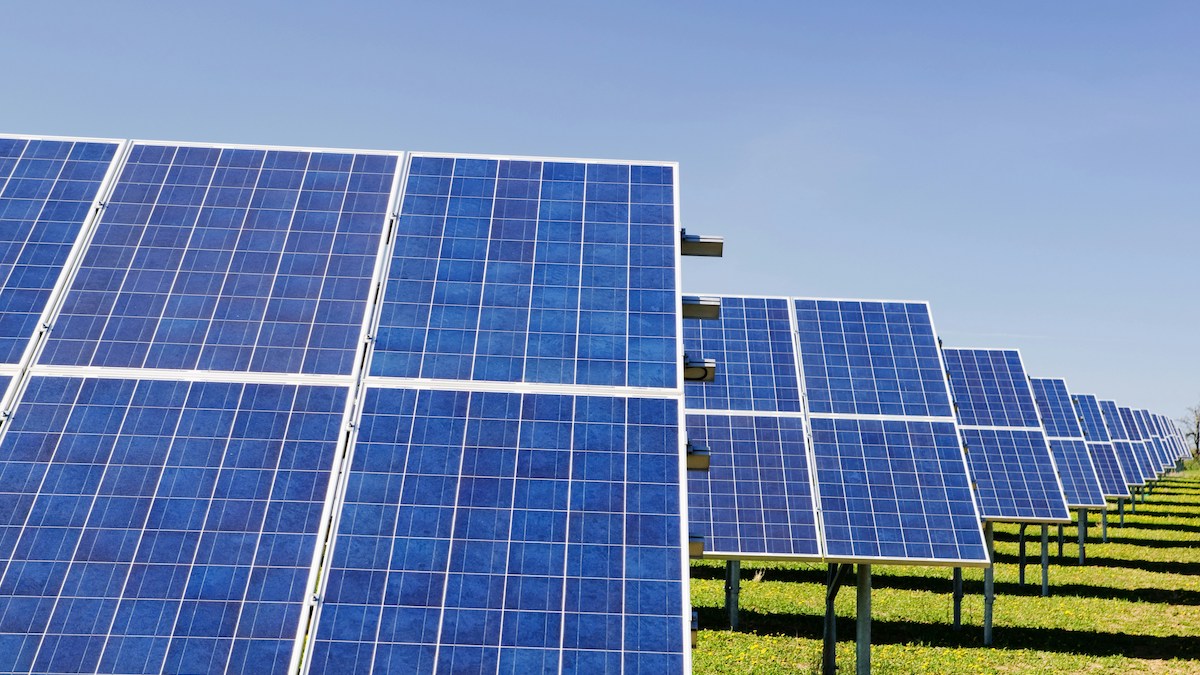
Why the IPCC Seems Poised to Eliminate Its Most Extreme Emissions Scenario

The Intergovernmental Panel on Climate Change (IPCC), the United Nations body whose mission is to “provide governments at all levels with scientific information that they can use to develop climate policies” will likely update the emissions and land use scenarios used in the models it considers in its bellwether assessment reports.
Posted inNews
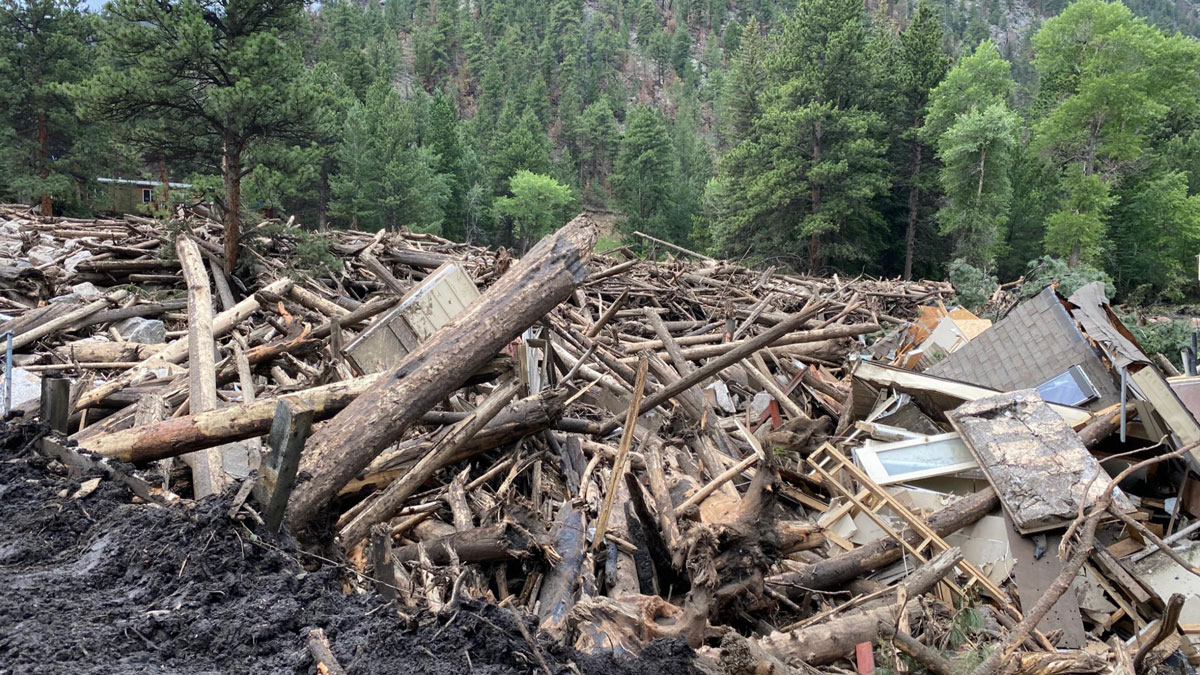
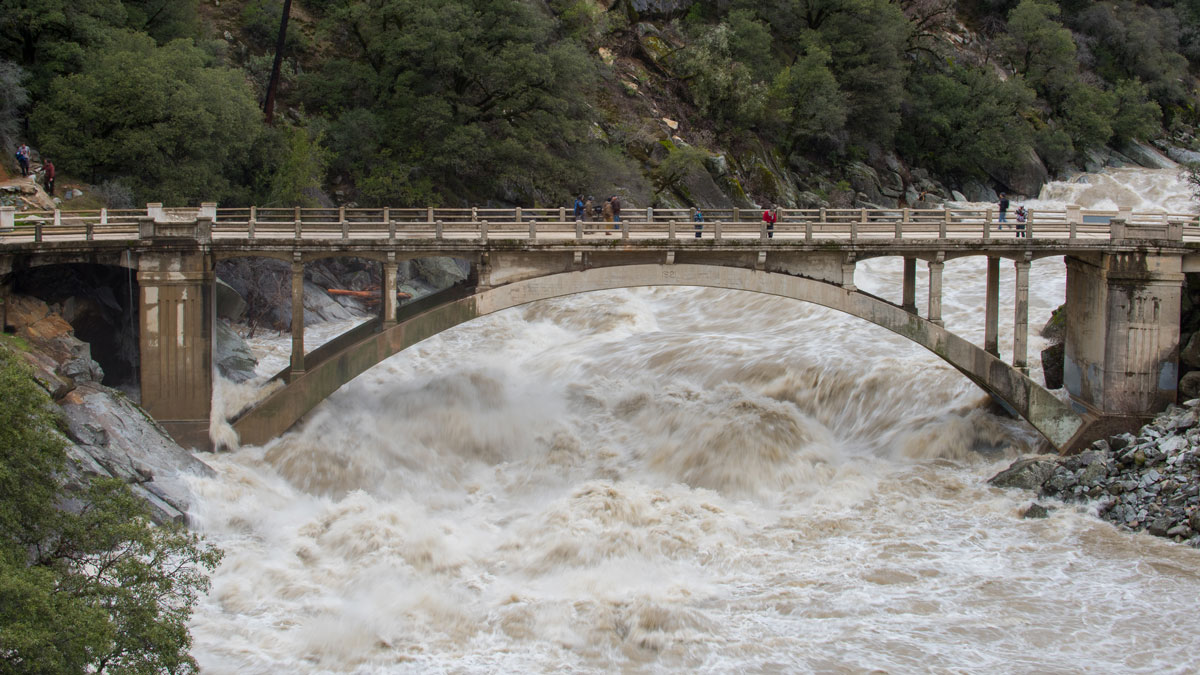
A New Approach Can Better Predict Debris Flow Hazards Years After Fires
USGS hazard maps don’t always reflect real landslide risk in the years after wildfires. Fine-tuning assessments of vegetation recovery could help.
Posted inResearch Spotlights
Keeping Humans in the Loop Improves Flood Forecasting
Artificial intelligence and machine learning can improve flood predictions—but human expertise still matters for accurate warnings, new research says.
Posted inEditors' Highlights
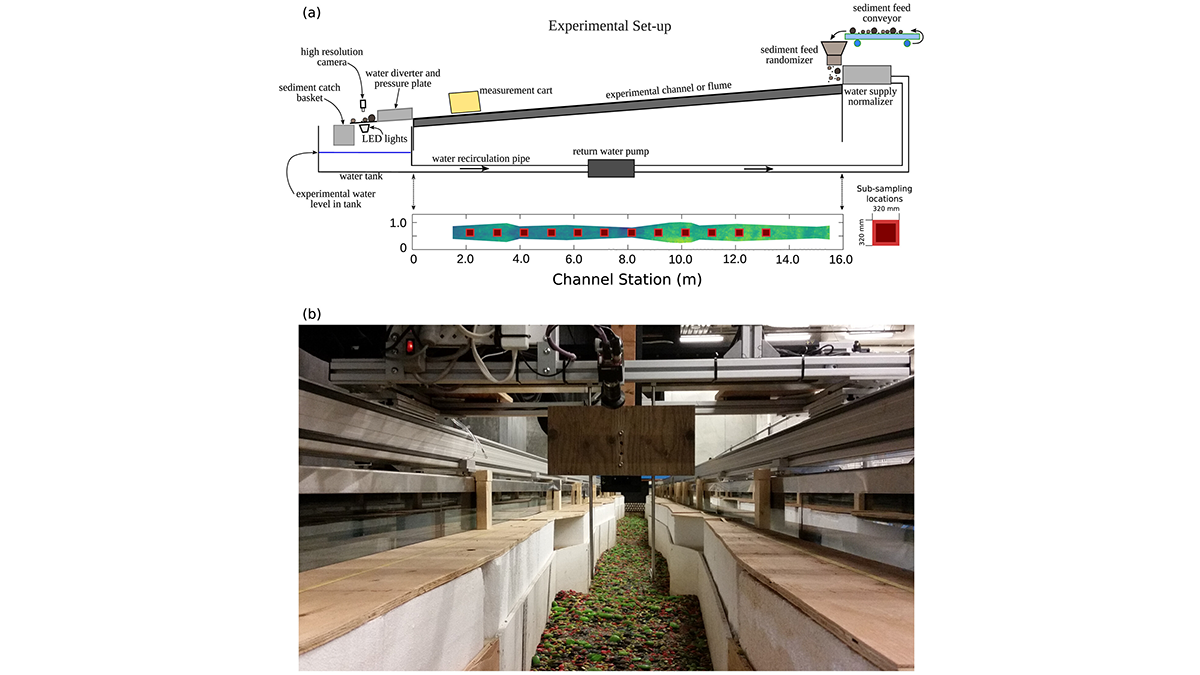
Small and Large Grains Move Differently in Water
A shift in perspective: flume experiments show that grain entrainment is far more complex than traditional models suggest.
Posted inNews
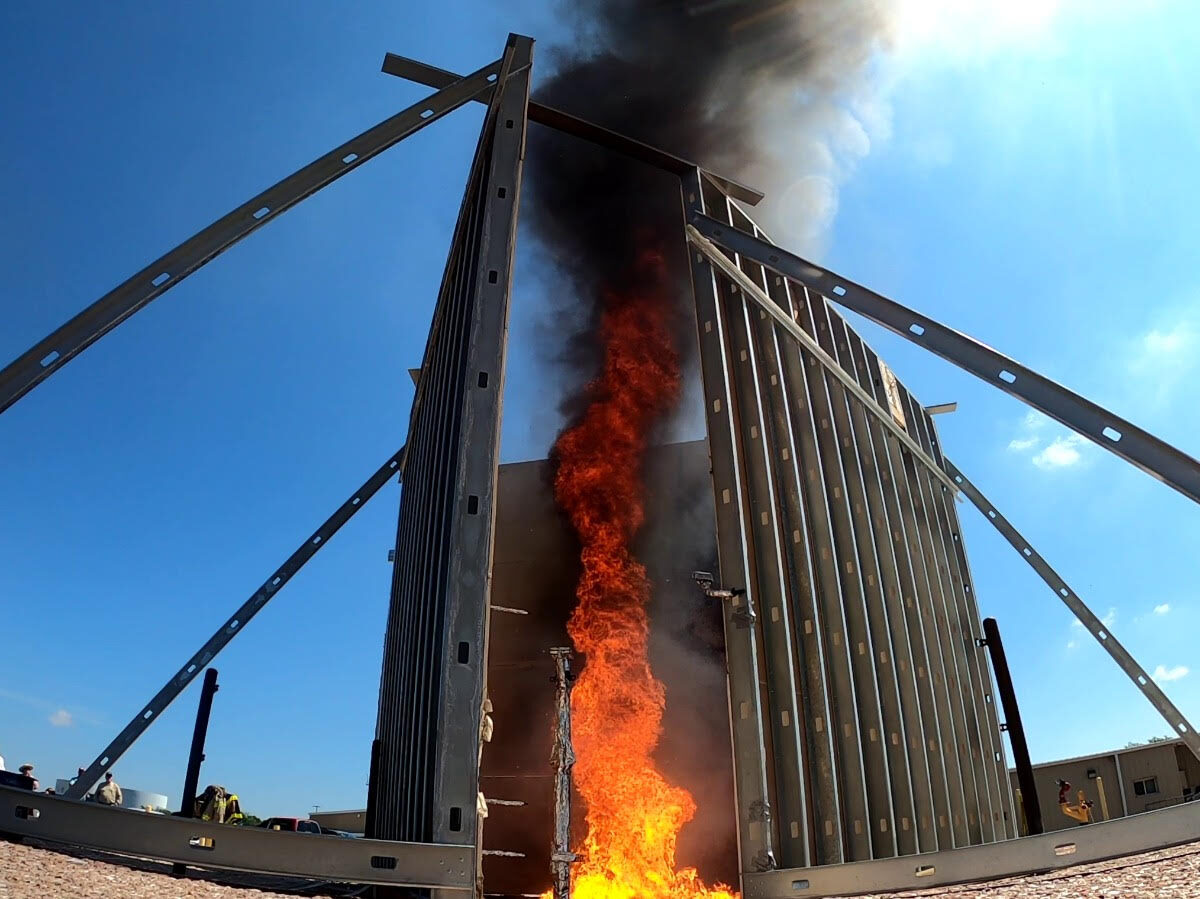
The Fiery Tornadoes That Could Mop Up Oil Spills
More than 15 years after the Deepwater Horizon disaster, researchers are still searching for new ways to tackle disastrous spills. Some are looking to flaming twisters.
Posted inNews
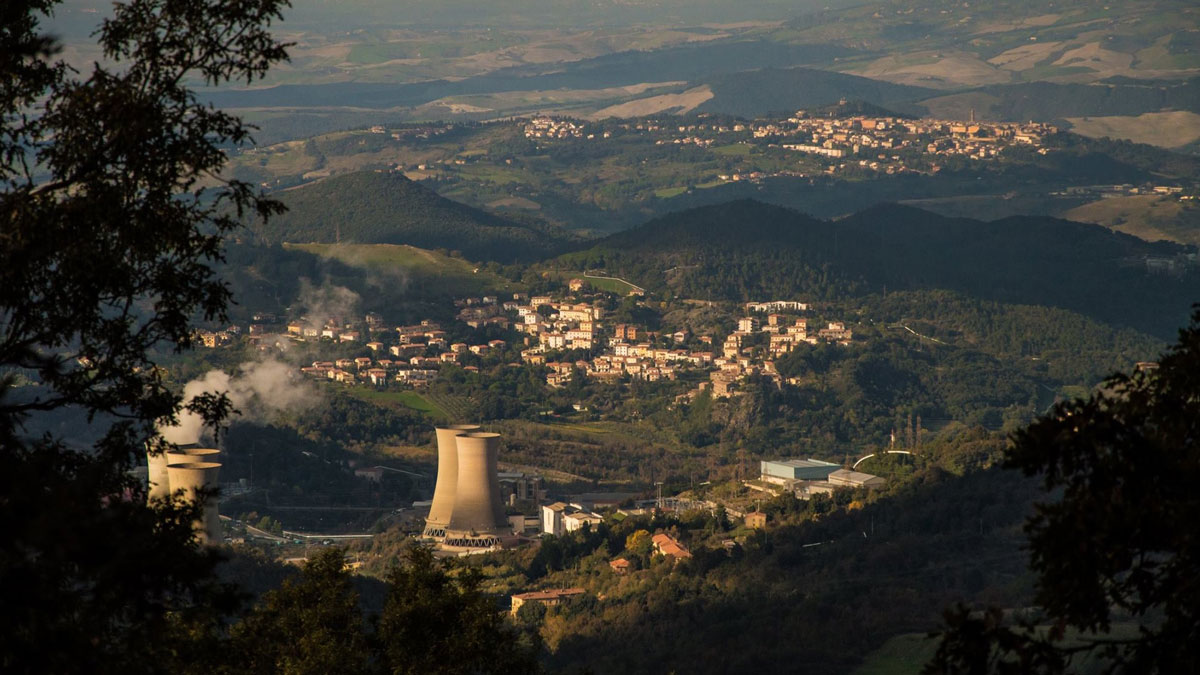
Scientists Find Thousands of Cubic Kilometers of Magma Hiding Beneath Tuscany
We already know what’s Under the Tuscan Sun. Now, a technique called ambient noise tomography has allowed researchers to see deep under the Tuscan crust.
Posted inNews
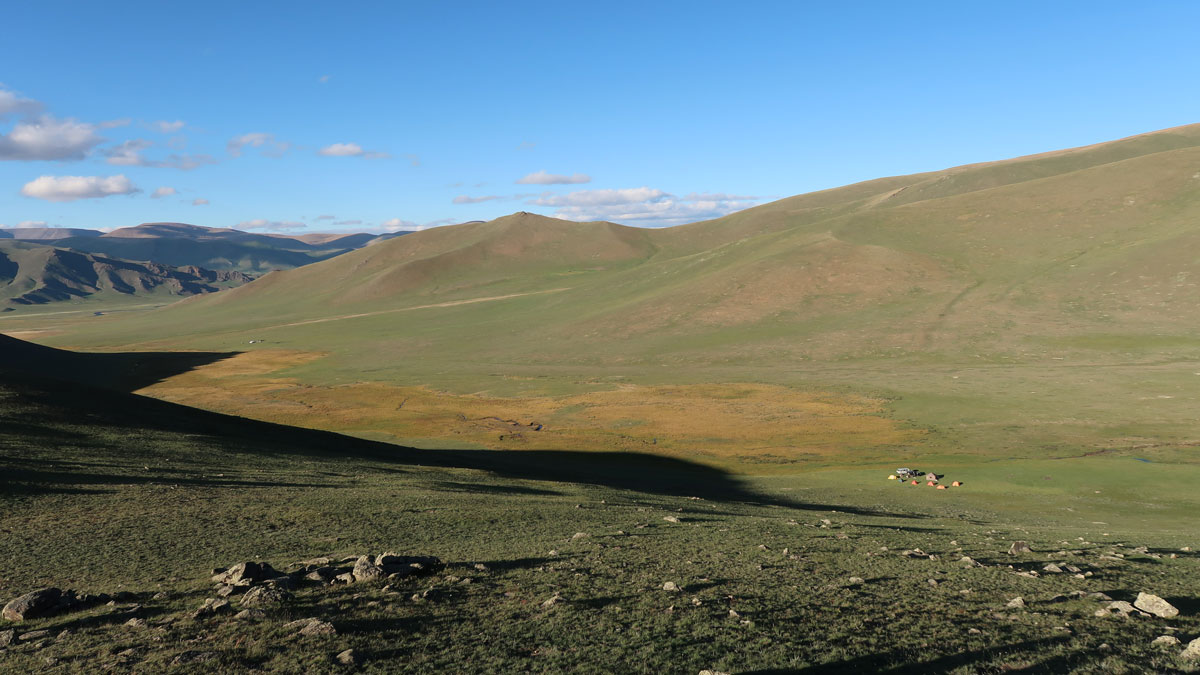
Mongolian Mountains Rose When the Crust Bounced Back

A plate folded, the lithosphere sank, and up popped a mountain range.