

Plants living in the shadows grew faster when exposed to excess carbon dioxide. But this short-term effect could vanish in a high-emission-induced warmer future, making the forest a carbon source.
experiments
Posted inScience Updates
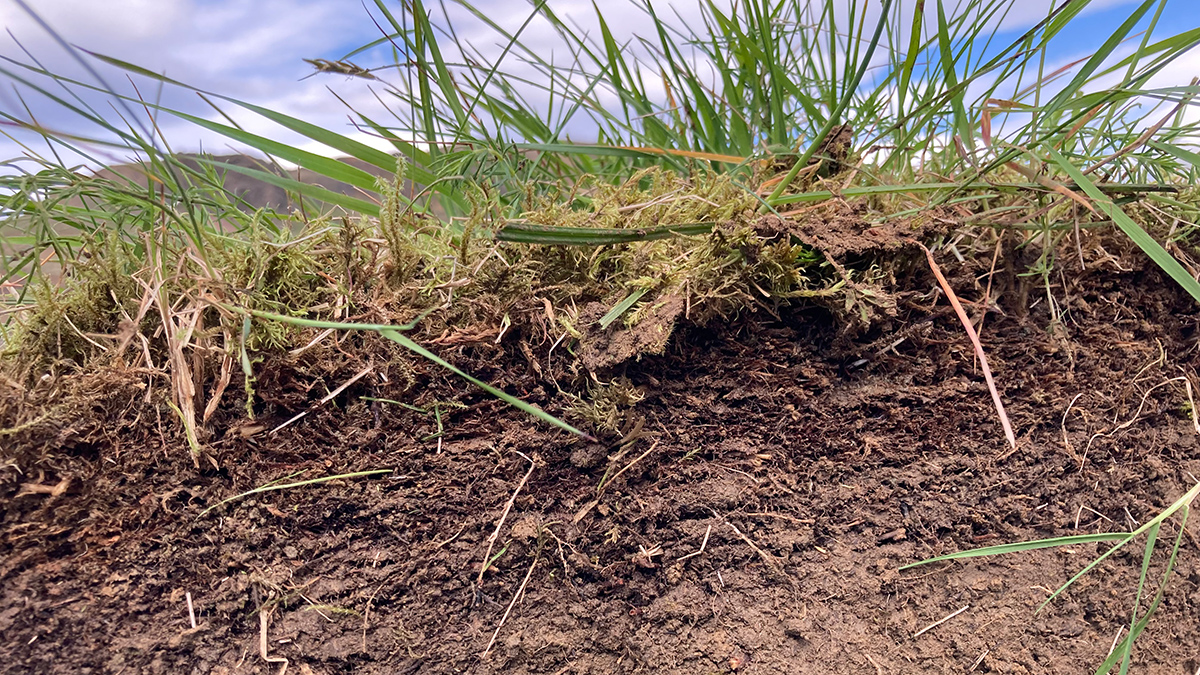
How Are Deep Soils Responding to Warming?
Scientists aim to integrate observations from deep-soil-warming experiments worldwide to better understand how ecosystems vital to food security and environmental health will react to climate change.

Posted inResearch Spotlights
Warming Experiment Explores Consequences of Diminished Snow

The SPRUCE ecosystem in northern Minnesota offered a setting to research exactly how a snowy environment responds to rising temperatures.

Posted inNews, RTL
التربة المكهربة تزيد نمو النباتات
خمسة أيام من الكهرباء المنخفضة الجهد الموجهة إلى جذور النباتات الناشئة عززت نموها بأكثر من 50 بالمئة.

Posted inScience Updates
The Open Ocean, Aerosols, and Every Other Breath You Take
Phytoplankton and other marine plants produce half of Earth’s atmospheric oxygen and have big effects on food webs and climate. To do so, they rely on nutrients from the sky that are hard to quantify.

Posted inScience Updates
Ionospheric Fireworks Illuminate Auroral Science
A sounding rocket experiment set off a spectacular nighttime light show over Scandinavia as it produced new insights into ionospheric behavior near an aurora.

Posted inNews
Electrified Soil Powers Plant Growth
Five days of low-power electricity directed to the roots of young plants boosted their growth by more than 50%.

Posted inResearch Spotlights
Scientists Model What’s Moving Beneath Earth’s Surface
A 3D printed model of a fault served as the setting for a hydrofracturing experiment exploring the mechanisms behind slow earthquakes.
Posted inNews
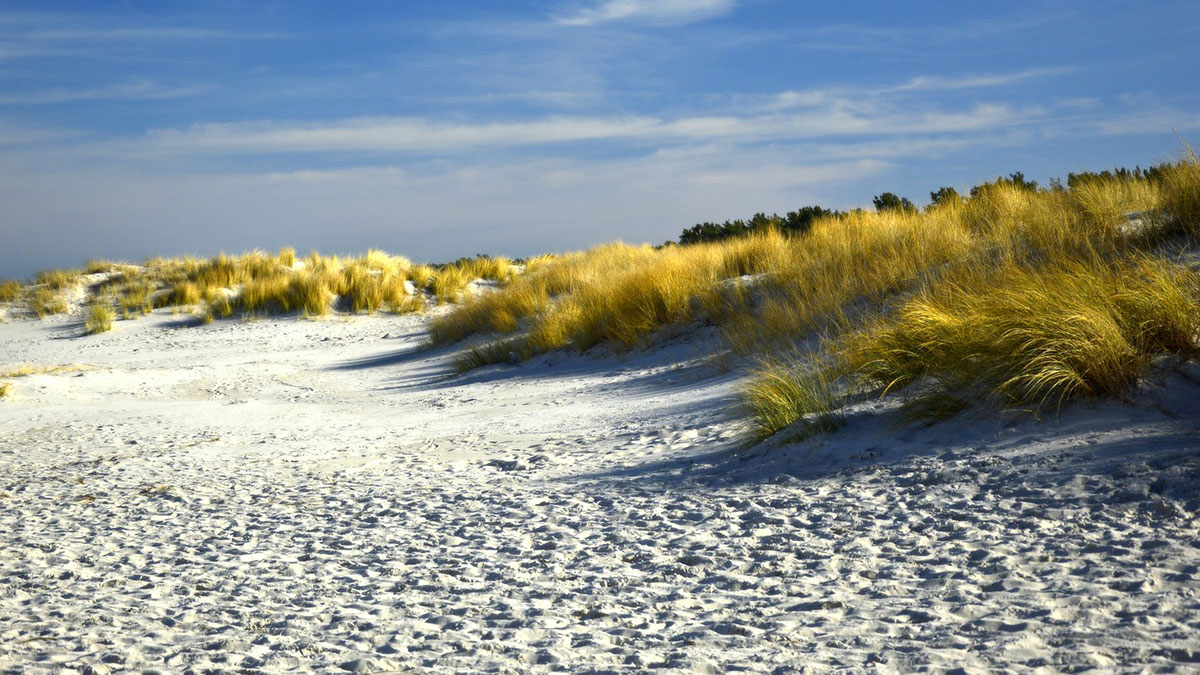
Las plantas construyen dunas pero pueden acelerar la erosión durante tormentas fuertes
Cuando las olas golpean las dunas con vegetación, se forman áreas anegadas frente a las plantas, lo que facilita que la arena sea arrastrada por la corriente más fácilmente. Sin embargo, las plantas aún son necesarias para formar las dunas en primera instancia.

Posted inNews
Scientists Discover a Way of Forming Suspended Layers of Sediment

Laboratory experiments suggest that underwater gas eruptions—due to the venting of gas hydrates, for example—could trigger the formation of layers of suspended sediment in the ocean.