
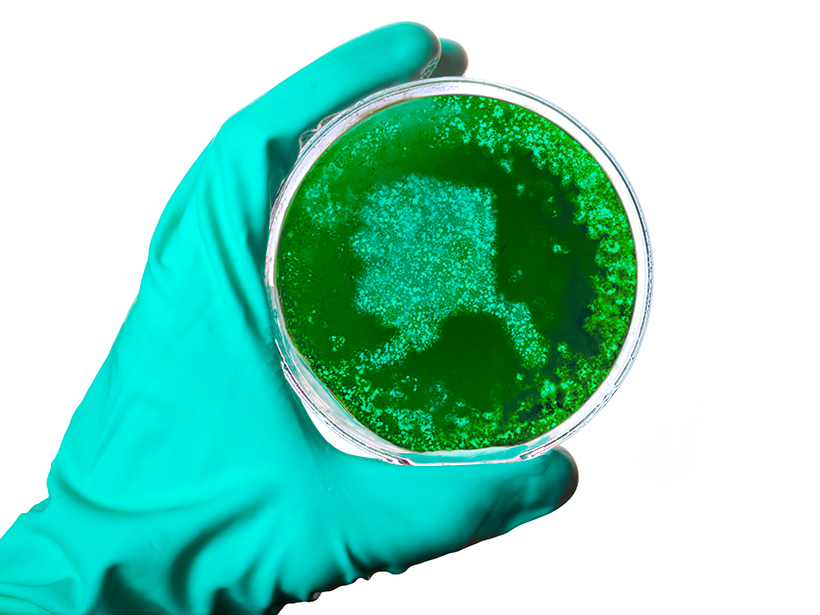

In the only Arctic state in the United States, Alaskans have already been affected by health repercussions of warming. More and worse lie ahead, a new state health report says.
geohealth

Posted inAGU News
Exciting Section and Focus Group News

The American Geophysical Union announces new engagement pilots, simplified naming structure, and new GeoHealth section.

Posted inNews
Group Touts “Beneficial” Coal Ash Recycling

An industry group says recycling coal ash, the second-largest U.S. waste stream, helps the environment and economy. Recycling has a role but also raises concerns, environmentalists argue.

Posted inNews
Novel Air Pollution Study Gauges Individual Cyclists’ Risks
By attaching an array of instruments to bike commuters in New York City, researchers aim to evaluate ambient pollution amounts and doses at the level of an individual cyclist.
Posted inNews
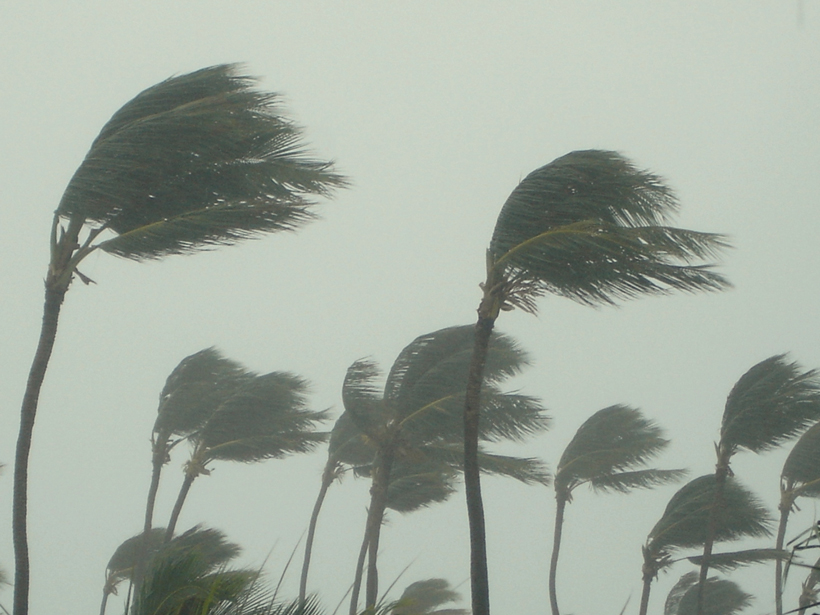
NOAA Officials Stress Hurricane Danger and Storm Safety
Agency scientists on a Hurricane Awareness Tour showcase NOAA research capabilities and warn that although winds can cause severe damage, the biggest killers are storm surges and inland flooding.

Posted inNews
Plague Bug May Have Lurked in Medieval England Between Outbreaks

A new analysis of climate records in England and Europe’s Low Countries suggests that the disease-causing bacterium persisted in rodents between recurrences in people.
Posted inEditors' Vox
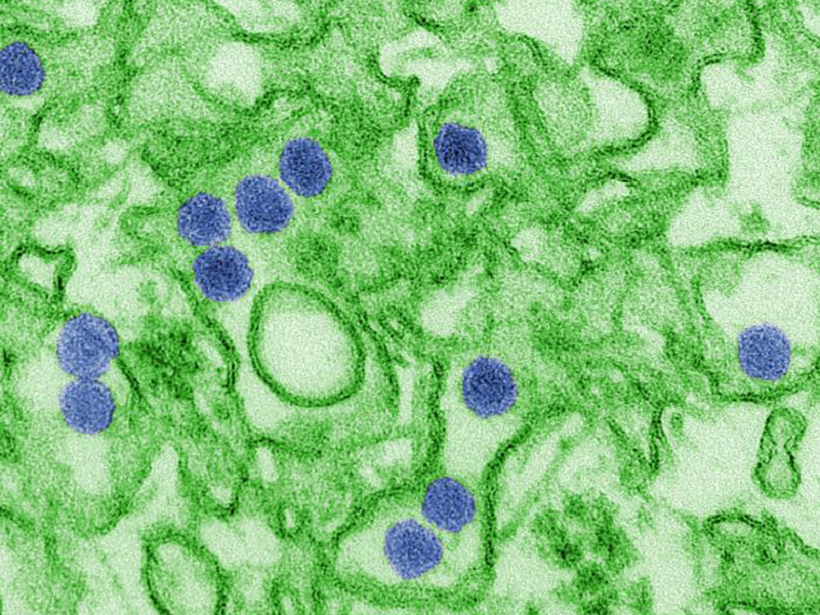
GeoHealth: Connecting Earth, Ocean, Climate, and Health Sciences
AGU’s newest journal, GeoHealth, welcomes papers on a wide range of issues relating to how environmental change is affecting the health and well-being of humans and other organisms on Earth.
Posted inNews
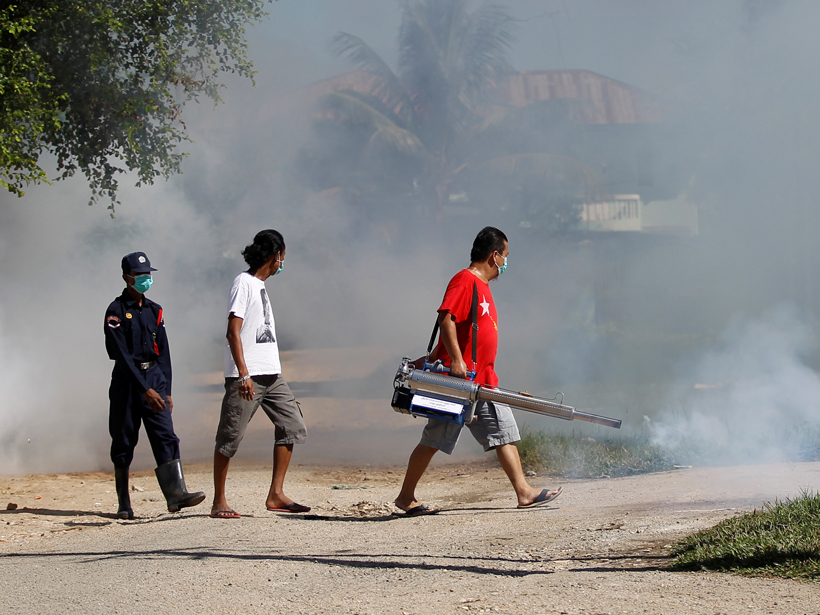
Revived Climate Change Forum Focuses on Threats to Human Health
Public health and environmental organizations brought together by former vice president Al Gore held a pared-down meeting to replace a canceled one.

Posted inNews
A Date Under the Stars? Maybe Not with Aerosol Injection
Injecting aerosols into the atmosphere on purpose could help cool Earth, but new research shows that it could also make the night sky brighter and negatively affect human health.
Posted inAGU News
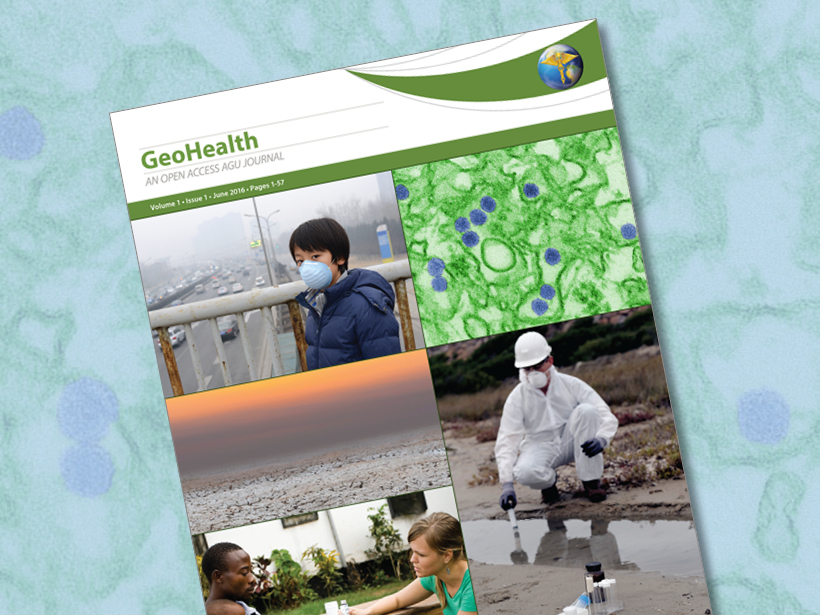
AGU Expands into Geohealth, Starting with New Journal
The journal GeoHealth, to be launched by the American Geophysical Union and Wiley, will disseminate research relating Earth and environmental sciences to human, agricultural, and environmental health.