
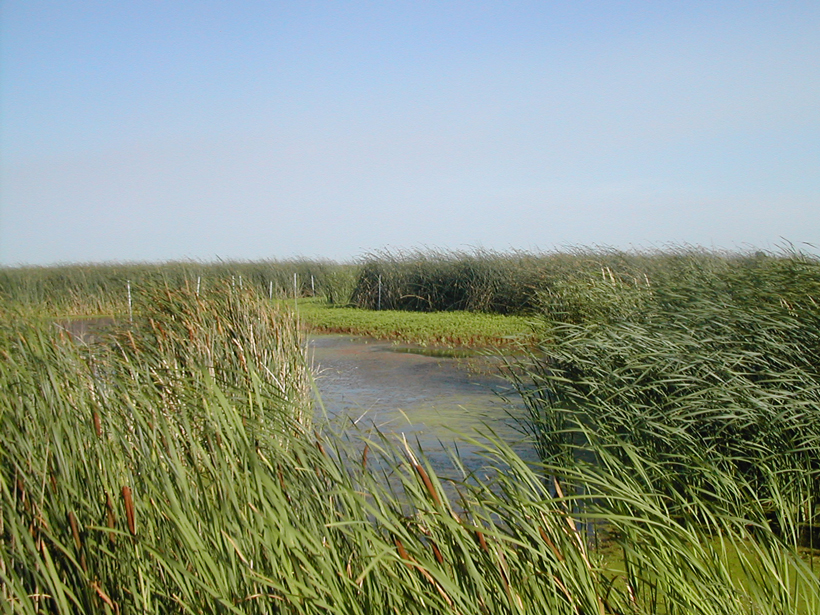

Methane emissions can drastically lower, or even reverse, the benefits of carbon sequestration in restored wetlands, according to new measurements from the Sacramento–San Joaquin Delta.
greenhouse gases

Posted inResearch Spotlights
The Forgotten Water Vapor at High Altitudes

Scientists find that estimations of high-altitude atmospheric water, critical for the greenhouse effect, are not as accurate as previously thought.

Posted inNews
Greenhouse Gas Patterns Offer Promise, Puzzlement
Emissions growth of carbon dioxide has suddenly slowed, but atmospheric methane concentrations continue to soar after a long hiatus. Both trends have a bearing on climate pacts sought this week.
Posted inResearch Spotlights
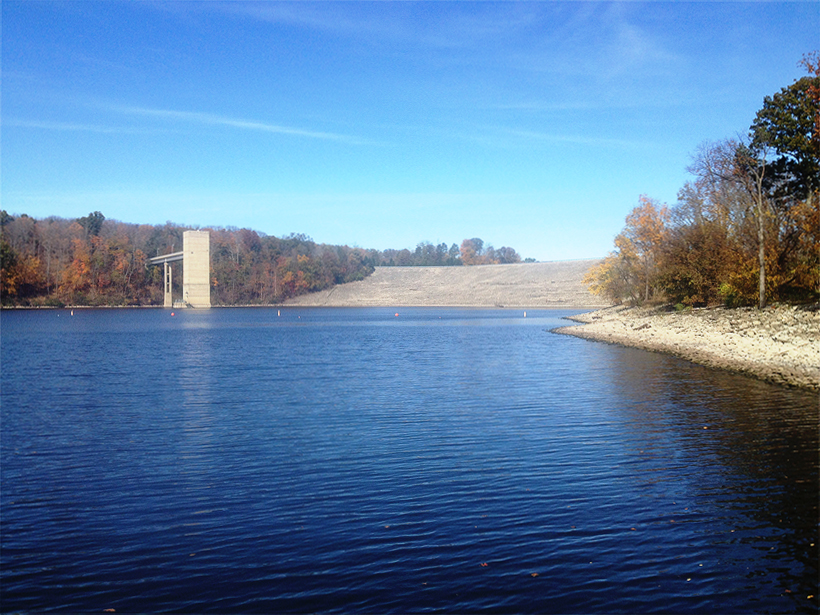
Reservoirs Act as a Source for Greenhouse Gases

Scientists examine nitrous oxide production in aquatic environments and the conditions that drive it.
Posted inResearch Spotlights
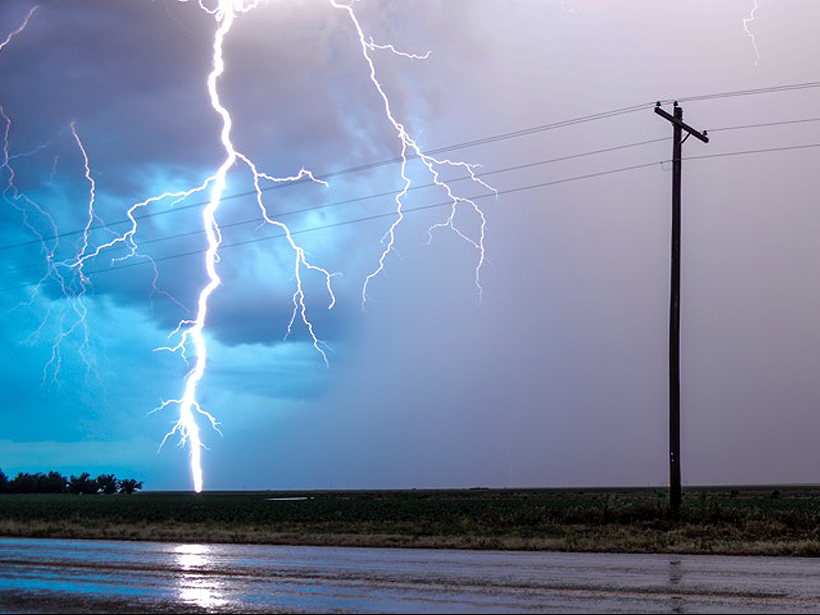
How Long Is a Bolt of Lightning?

Better calculations of bolt length could help quantify how much climate-changing nitrogen oxide gas is made when lightning strikes.

Posted inResearch Spotlights
Atmospheric Waves Help Cool Our Planet
A new method makes a direct estimate of the impact of atmospheric waves on water vapor concentrations in the stratosphere.
Posted inResearch Spotlights
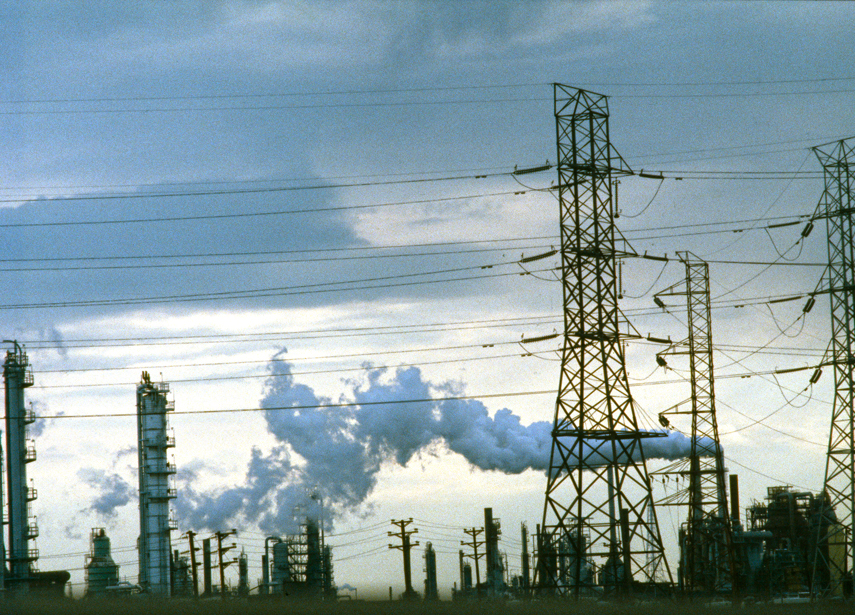
Changing Patterns in U.S. Air Quality
Over the northeast United States, ground-level ozone will peak in the winter rather than the summer thanks to continued reductions of regional nitrogen oxide emissions from smokestacks and tailpipes.
Posted inResearch Spotlights
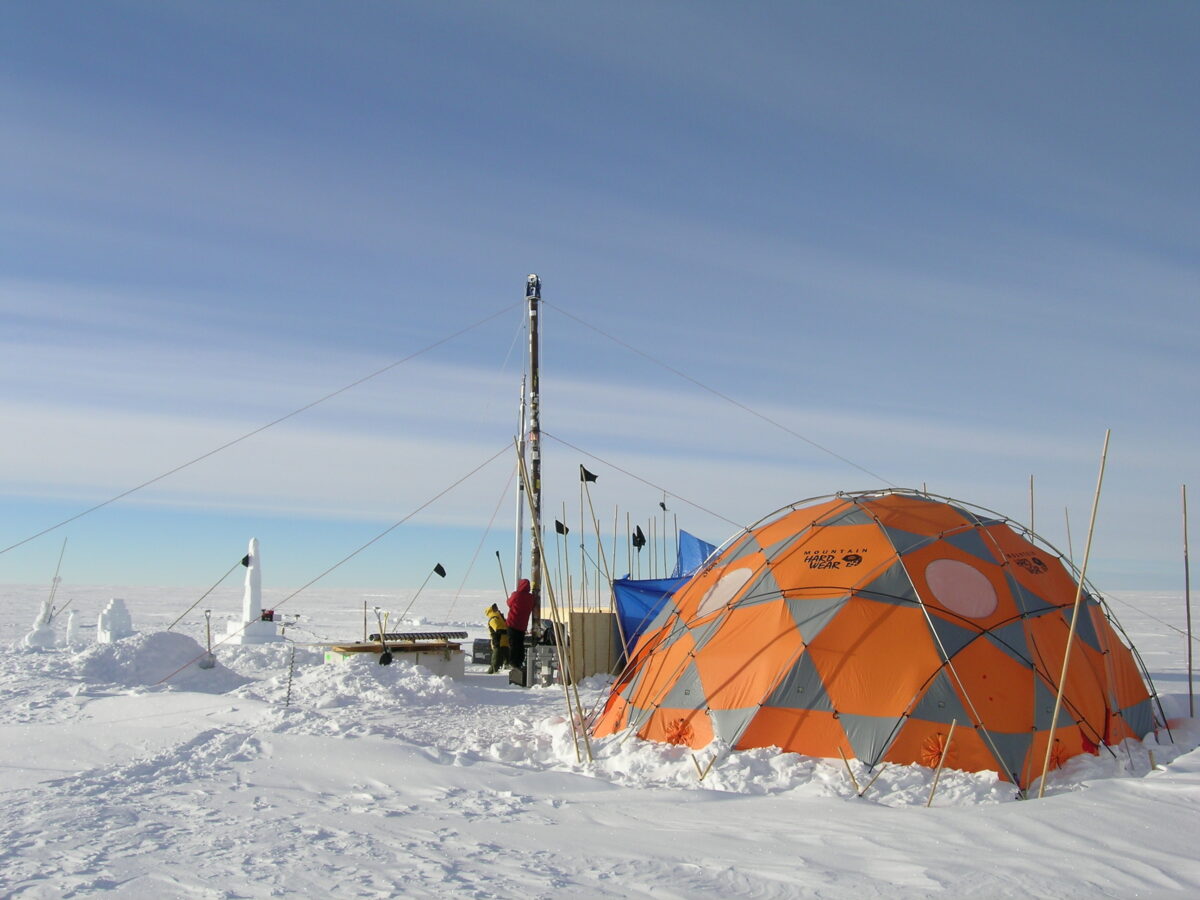
Atmospheric Carbonyl Sulfide Hit a Minimum 5,000 Years Ago
A new ice core measurements-based record of a climate-active gas shows variability on millennial timescales.
Posted inNews
Methane-Producing Microbes Important for Studying Greenhouse Gas Emissions

Scientists have long thought that methane-producing microbes contribute to climate change but are slowly learning just how big a role these microbes play.