• About
  • Special Reports
  • Topics
    • Climate
    • Earth Science
    • Oceans
    • Space & Planets
    • Health & Ecosystems
    • Culture & Policy
    • Education & Careers
    • Opinions
  • Projects
    • Postcards From the Field
    • ENGAGE
    • Editors’ Highlights
    • Editors’ Vox
    • Eos en Español
    • Eos 简体中文版
    • Print Archive: 2015–2025
  • Policy Tracker
  • Blogs
    • Research & Developments
    • The Landslide Blog
  • Newsletter
  • Submit to Eos
  • AGU.org
  • Career Center
  • Join AGU
  • Give to AGU
  • About
  • Special Reports
  • Topics
    • Climate
    • Earth Science
    • Oceans
    • Space & Planets
    • Health & Ecosystems
    • Culture & Policy
    • Education & Careers
    • Opinions
  • Projects
    • Postcards From the Field
    • ENGAGE
    • Editors’ Highlights
    • Editors’ Vox
    • Eos en Español
    • Eos 简体中文版
    • Print Archive: 2015–2025
  • Policy Tracker
  • Blogs
    • Research & Developments
    • The Landslide Blog
  • Newsletter
  • Submit to Eos
Skip to content
  • AGU.org
  • Career Center
  • Join AGU
  • Give to AGU
Eos

Eos

Science News by AGU

Support Eos
Sign Up for Newsletter
  • About
  • Special Reports
  • Topics
    • Climate
    • Earth Science
    • Oceans
    • Space & Planets
    • Health & Ecosystems
    • Culture & Policy
    • Education & Careers
    • Opinions
  • Projects
    • Postcards From the Field
    • ENGAGE
    • Editors’ Highlights
    • Editors’ Vox
    • Eos en Español
    • Eos 简体中文版
    • Print Archive: 2015–2025
  • Policy Tracker
  • Blogs
    • Research & Developments
    • The Landslide Blog
  • Newsletter
  • Submit to Eos

hardware & infrastructure

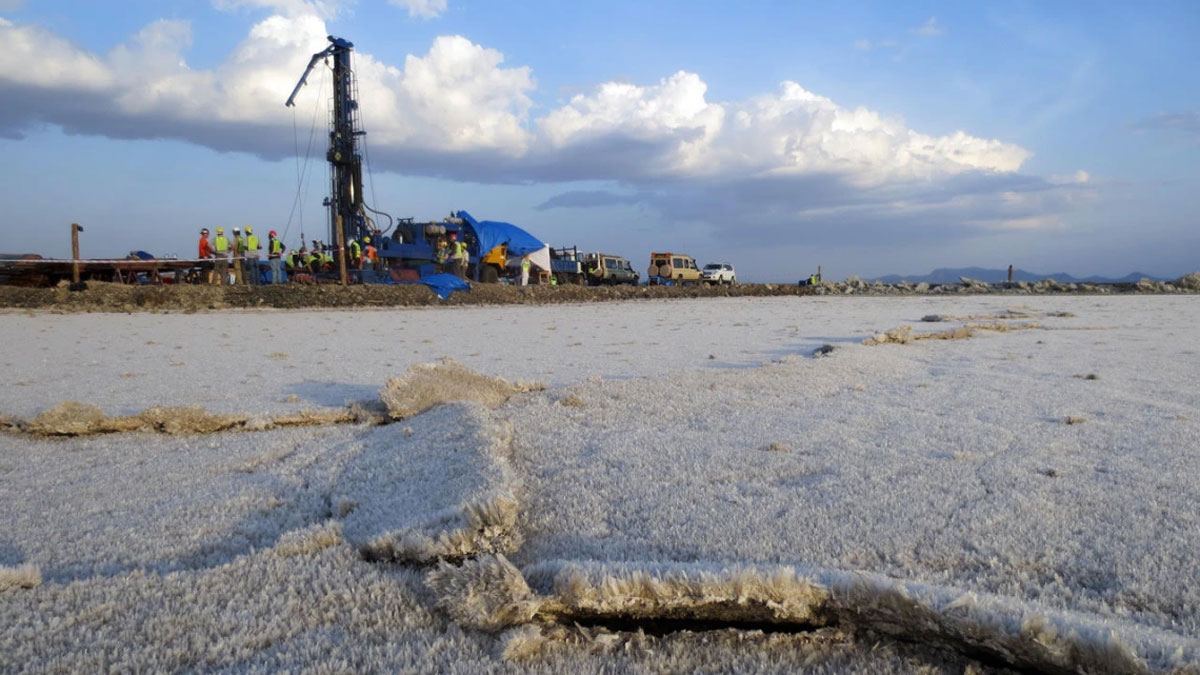
Ground-level view looking over a flat expanse of land covered in a crust of crystalline salt, with a group of people standing around a tall drilling rig in the distance.
Posted inFeatures

Drilling Down to Open Up New Understanding of Earth’s Continents

by Christopher A. Scholz, Anders Noren, Lisa Park Boush, Brett M. Carpenter and Russell Callahan 27 March 202627 March 2026

Scientists have drilled into Earth’s crust for decades to understand natural hazards, past climates, energy resources, and more. They’ve only scratched the surface of what we can learn.

Photo of Isles of data ports within a data center.
Posted inEditors' Highlights

The Multi-Faceted Water Footprint of Data Centers

by Alberto Montanari 18 March 202618 March 2026

Data centers powering artificial intelligence consume significant amounts of water, highlighting the need for greater transparency regarding water use in both existing and planned facilities. 
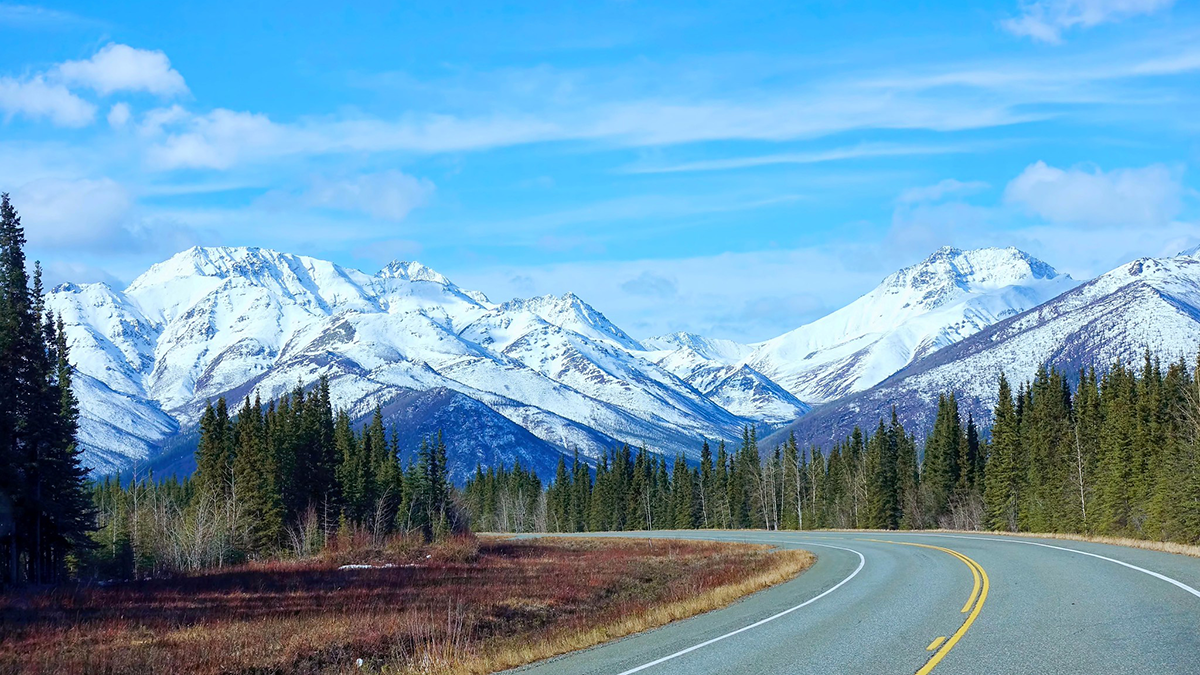
A highway lined by tall green pine trees curves off to the left. Snowy mountains tower in the distance beneath a blue sky.
Posted inResearch & Developments

Plan to End NEPA’s “Regulatory Reign of Terror” Is Finalized

by Emily Gardner 8 January 20268 January 2026

The Trump administration has finalized a plan to roll back regulations outlined by one of our nation’s bedrock environmental laws.
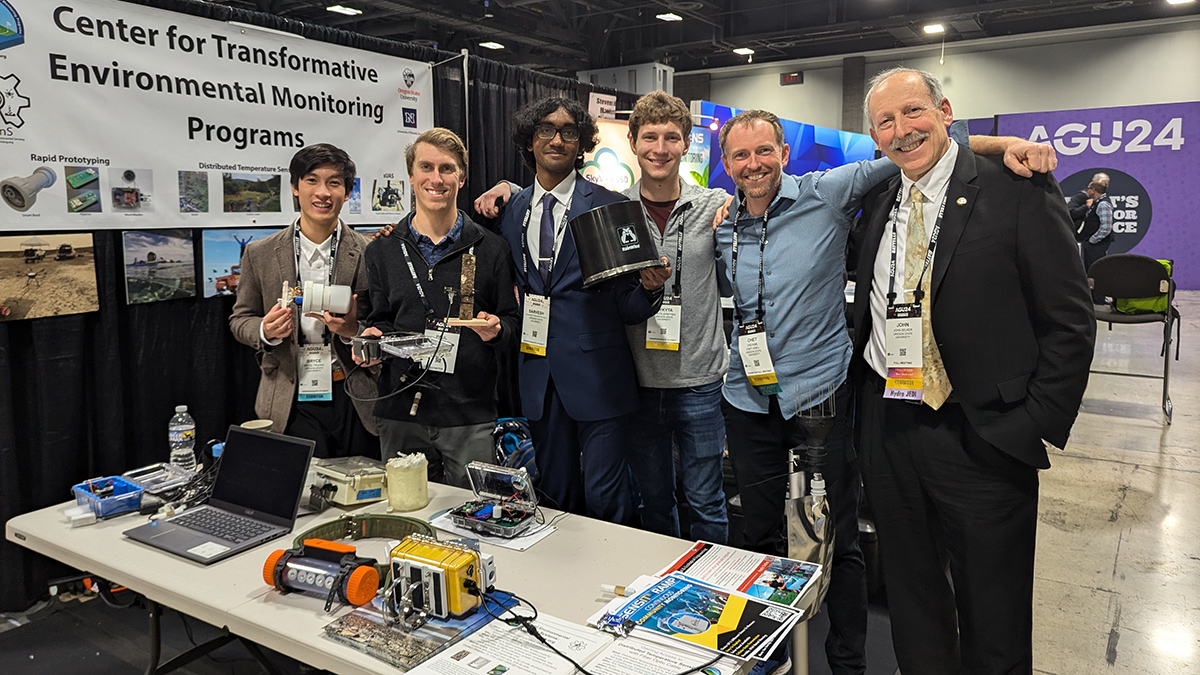
Chet Udell (second from right) and students at a MacGyver session at AGU24.
Posted inNews

Celebrating the MacGyver Spirit: Hacking, Tinkering, Scavenging, and Crowdsourcing

by Kate Evans 9 December 202511 December 2025

The MacGyver sessions allow scientist-tinkerers to have “nerd-on-nerd” discussions about do-it-yourself gadgets and gizmos.
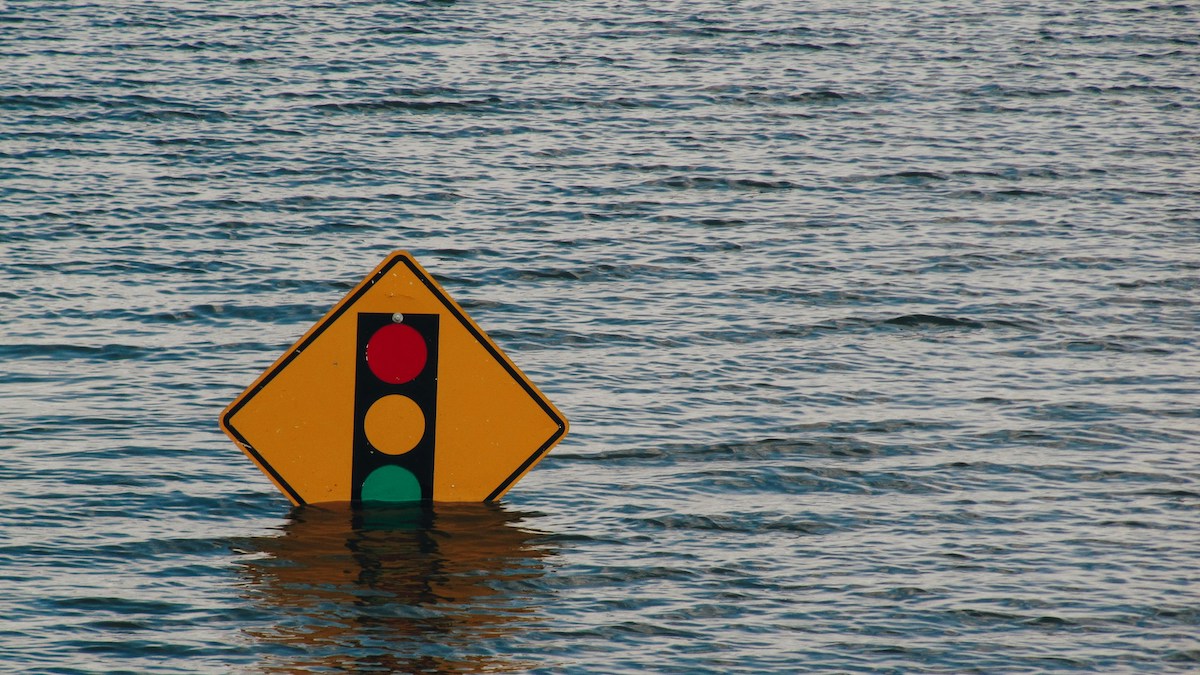
A street sign halfway submerged in floodwaters.
Posted inResearch & Developments

5,500 Toxic Sites in the U.S. at Risk of Flooding as Seas Rise

by Grace van Deelen 20 November 202526 November 2025

Rising sea levels have put thousands of facilities containing hazardous materials at risk of flooding this century, according to a new study published in Nature Communications. 
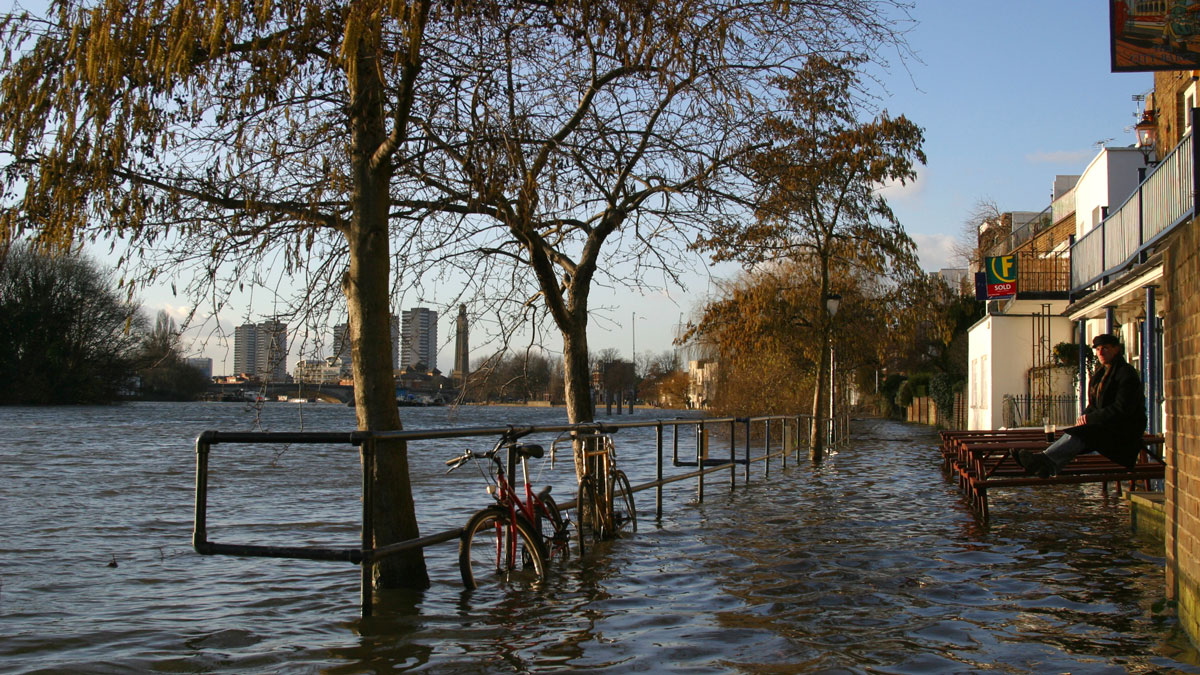
A man sits on the balcony of a flooded building along the banks of an overflowing river.
Posted inResearch Spotlights

A New Way for Coastal Planners to Explore the Costs of Rising Seas

by Saima May Sidik 18 November 202518 November 2025

A framework featuring a range of plausible future sea level rise scenarios could help coastal planners prepare critical infrastructure for the worst-case scenario.
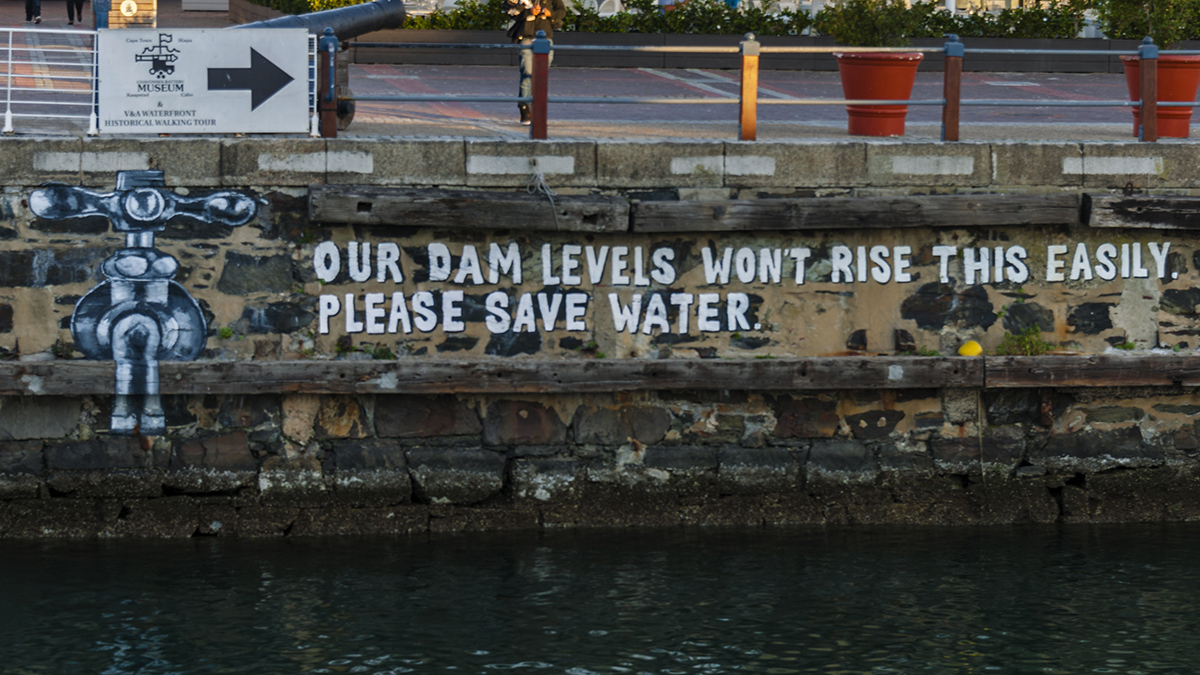
On the human-made wall of a waterway, appear graffiti of a water spigot beside the text “Our dam levels won’t rise this easily. Please save water.”
Posted inNews

Are “Day Zero Droughts” Closer Than We Think? Here’s What We Know

by Mariana Mastache-Maldonado 5 November 20255 November 2025

A new study warns that day zero droughts—when reservoirs fail to supply taps—could become common within this decade.

Diagram showing different sampling technologies.
Posted inEditors' Highlights

Scientists Face Limitations Accessing Seafloor Information

by Alberto Montanari 9 July 20258 July 2025

Recent reductions in U.S. oceanographic assets are limiting scientists’ ability to access vital materials in the ocean.

A bright ring of light surrounds the North Pole in a black-and-white composite satellite image over the Northern Hemisphere, with land areas outlined in black.
Posted inResearch Spotlights

U.K. Space Weather Prediction System Goes Operational

by Saima May Sidik 23 June 202523 June 2025

Officials now have access to a suite of models they can use to head off damage to critical infrastructure.

Brown, dying stalks of corn are seen against a blue sky.
Posted inNews

Can Desalination Quench Agriculture’s Thirst?

by Lela Nargi 15 May 202515 May 2025

Miles away from the ocean, projects are afoot to clean up salty groundwater and use it to grow crops. Some say it’s a costly pipe dream, others say it’s part of the future.

Posts pagination

1 2 3 … 17 Older posts
Over a dark blue-green square appear the words Special Report: The State of the Science 1 Year On.

Features from AGU Publications

Research Spotlights

How Internal Waves Transport Energy Thousands of Miles Across the Ocean

26 March 202626 March 2026
Editors' Highlights

A Next-Generation Telescope for Space Weather Research

30 March 202626 March 2026
Editors' Vox

The Future of Earth’s Future

24 March 202624 March 2026
Eos logo at left; AGU logo at right

About Eos
ENGAGE
Awards
Contact

Advertise
Submit
Career Center
Sitemap

© 2026 American Geophysical Union. All rights reserved Powered by Newspack