
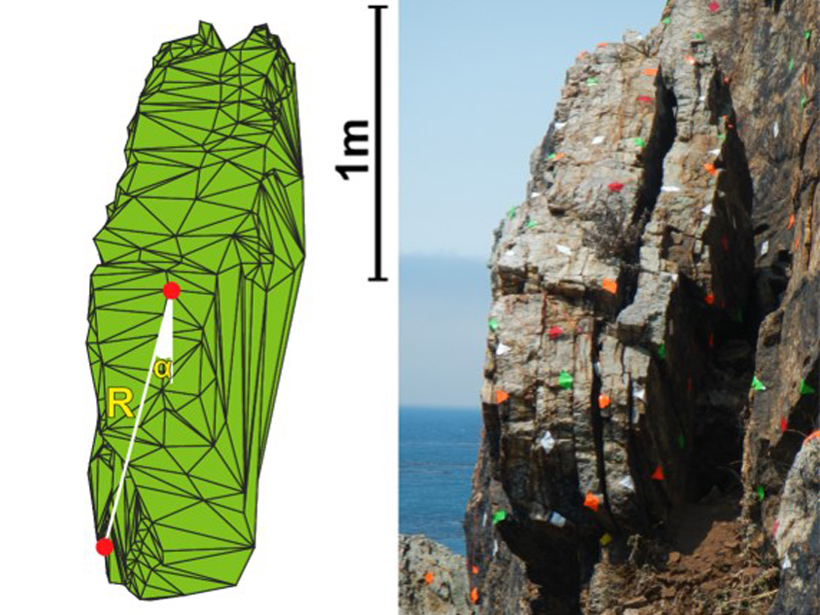
Earthquake hazard calculations for California’s coast are refined with a view of precariously balanced rocks that would have fallen if the largest predicted shaking happened in the past 20,000 years.
Hazards & Disasters
Posted inNews
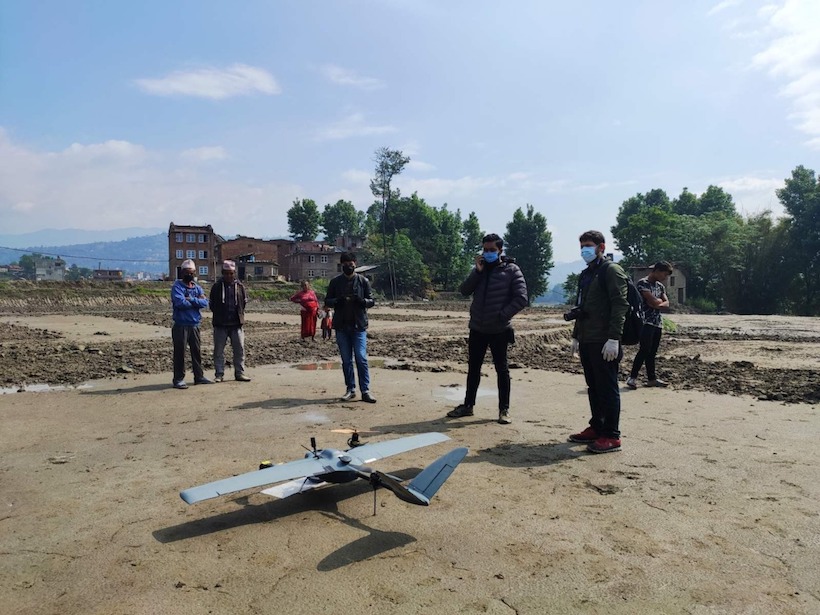
COVID Clears the Skies for Earth-Observing Drones in Nepal
When the pandemic hit Nepal and the country’s main airport drastically cut flights, a group of drone experts, local governments, and scientists saw a once-in-a-lifetime opportunity to gather geodata.

Posted inNews
Leaded Soil Endangers Residents in New York Neighborhoods
New research documents dangerously high levels of lead in the soils of New York City parks and growing communities.

Posted inNews
Five Science Questions That Ought to Be Asked at the Debates
Journalists, moderators, and the public have an important opportunity to question the presidential and vice presidential candidates in the upcoming TV debates.

Posted inFeatures
From Lava to Water: A New Era at Kīlauea
At Kīlauea Volcano, scientists are using unoccupied aircraft to monitor the new water lake, a possible harbinger of explosive activity, that formed after the volcano’s 2018 eruption.

Posted inNews
Podcast: The Unusual Relationship Between Climate and Pandemics

Two recent studies show how climate affects human pandemics and how pandemics, in turn, alter the environment.

Posted inAGU News
Next Steps for the Critical Zone

In October, Eos examines a pivotal point for a field of science that’s starting to make a name for itself.

Posted inEditors' Highlights
What the Upper Ocean Looks Like During a Hurricane and Why It Matters
High-resolution measurements reveal the structure of the upper ocean under a hurricane and its feedback on storm intensity.
Posted inNews
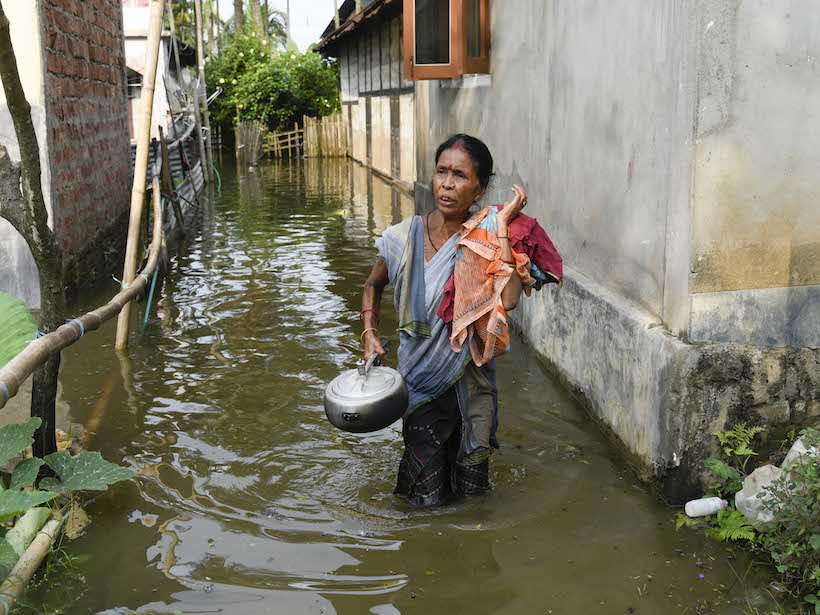
New Recommendations for a Proactive Flood Policy in India
As India grapples with devastating monsoon floods, a new review supports greater investment in nonstructural solutions.
Posted inEditors' Highlights
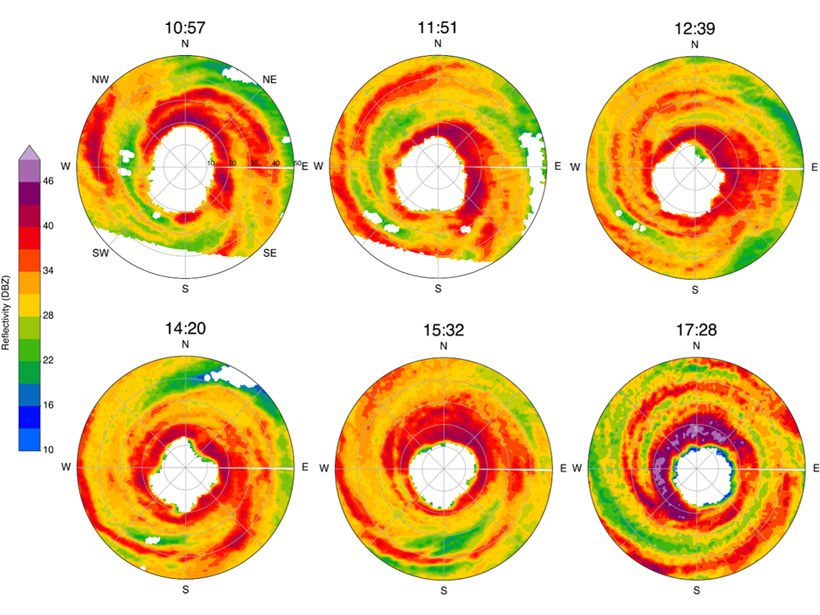
The Evolution of Observed Hurricane Eyewall Shapes
The observational evidence of the wind field of Hurricane Michael using radar imagery showed an eyewall structure evolution with elliptical, triangular, and square shapes for the first time.