• About
  • Special Reports
  • Topics
    • Climate
    • Earth Science
    • Oceans
    • Space & Planets
    • Health & Ecosystems
    • Culture & Policy
    • Education & Careers
    • Opinions
  • Projects
    • Postcards From the Field
    • ENGAGE
    • Editors’ Highlights
    • Editors’ Vox
    • Eos en Español
    • Eos 简体中文版
    • Print Archive: 2015–2025
  • Policy Tracker
  • Blogs
    • Research & Developments
    • The Landslide Blog
  • Newsletter
  • Submit to Eos
  • AGU.org
  • Career Center
  • Join AGU
  • Give to AGU
  • About
  • Special Reports
  • Topics
    • Climate
    • Earth Science
    • Oceans
    • Space & Planets
    • Health & Ecosystems
    • Culture & Policy
    • Education & Careers
    • Opinions
  • Projects
    • Postcards From the Field
    • ENGAGE
    • Editors’ Highlights
    • Editors’ Vox
    • Eos en Español
    • Eos 简体中文版
    • Print Archive: 2015–2025
  • Policy Tracker
  • Blogs
    • Research & Developments
    • The Landslide Blog
  • Newsletter
  • Submit to Eos
Skip to content
  • AGU.org
  • Career Center
  • Join AGU
  • Give to AGU
Eos

Eos

Science News by AGU

Support Eos
Sign Up for Newsletter
  • About
  • Special Reports
  • Topics
    • Climate
    • Earth Science
    • Oceans
    • Space & Planets
    • Health & Ecosystems
    • Culture & Policy
    • Education & Careers
    • Opinions
  • Projects
    • Postcards From the Field
    • ENGAGE
    • Editors’ Highlights
    • Editors’ Vox
    • Eos en Español
    • Eos 简体中文版
    • Print Archive: 2015–2025
  • Policy Tracker
  • Blogs
    • Research & Developments
    • The Landslide Blog
  • Newsletter
  • Submit to Eos

Indonesia

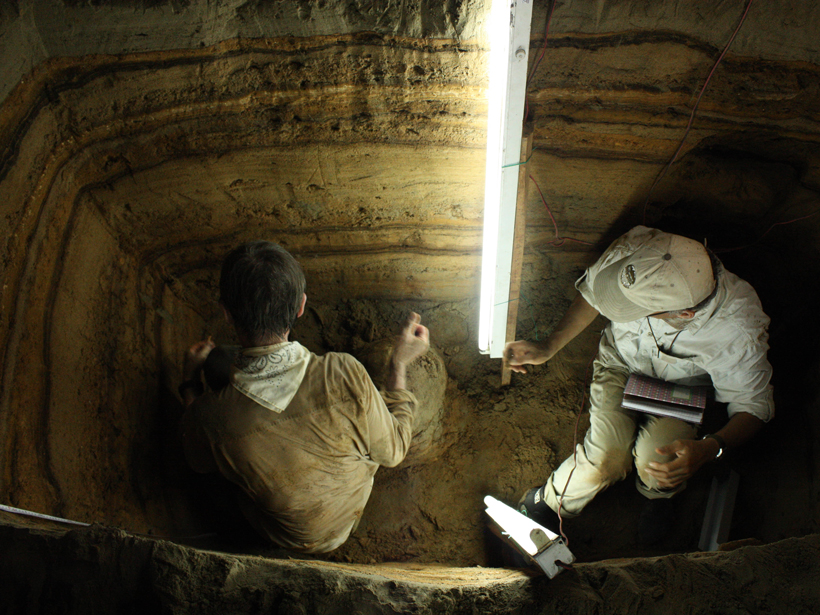
Scientists use balloons to measure atmospheric ash and assess how volcanic eruption eruptions affect climate.
Posted inResearch Spotlights

Volcanic Ash Contributes to Climate Cooling

Alexandra Branscombe by A. Branscombe 25 October 201617 November 2022

A new study shows that atmospheric ash reflects solar radiation months after volcanic eruptions.
Posted inEditors' Vox

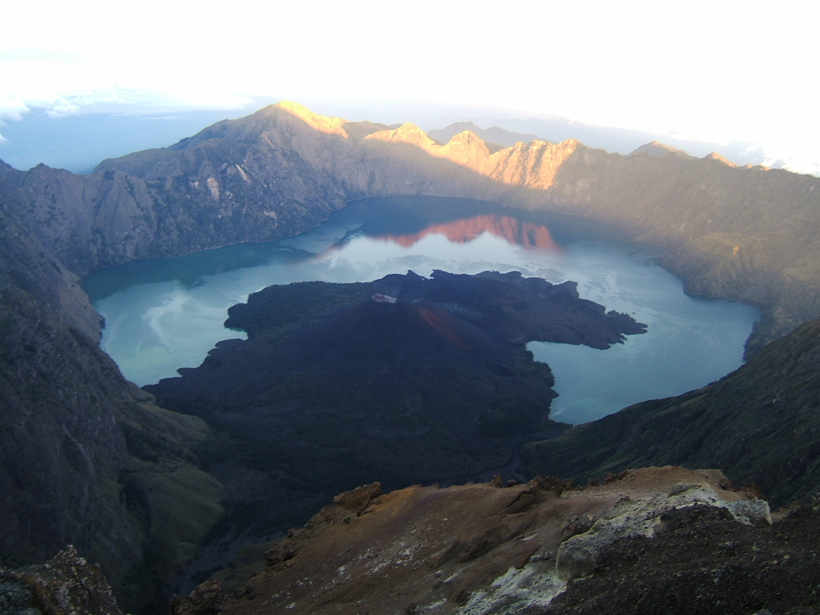
Volcanic Java and Climate Change

by Michael Wysession 12 September 201610 July 2022

An account of a geophysicist's recent trip to Indonesia wouldn't be complete without intrigue and elucidations about what Java, climate change, and Butch Cassidy all have in common.
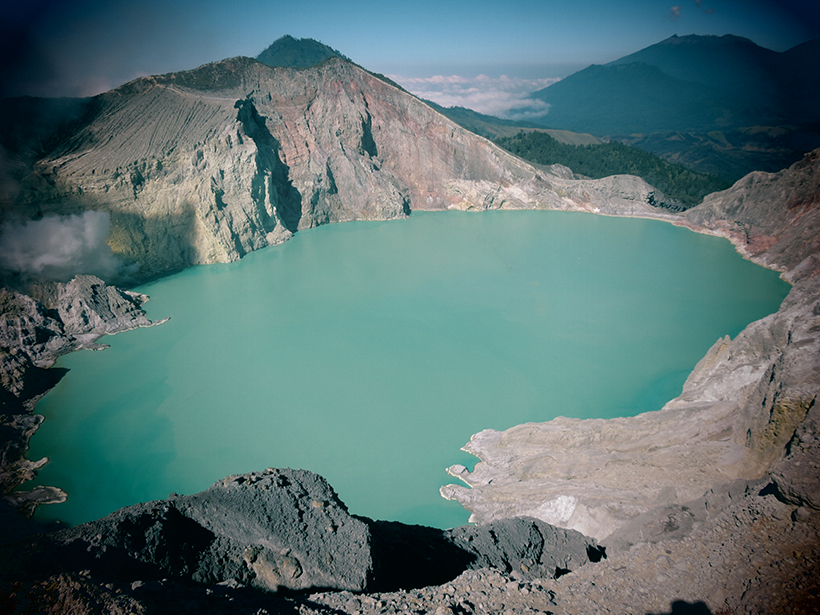
Sulfuric lake Kawah Ijen was used to study volcanic activity.
Posted inResearch Spotlights

A New Tool to Better Forecast Volcanic Unrest

Shannon Hall by S. Hall 8 July 20161 November 2022

In a retrospective study of volcanic unrest at Indonesia's Kawah Ijen, a new model was able to pick up on the rising probability of eruption 2 months before authorities were aware of the risk.

A scientist takes a smoke sample from a smoldering peat fire in Kalimantan, Indonesia.
Posted inNews

The 2015 Indonesian Fires: Less Carbon Release Than Was Thought

by R. Heisman 9 June 201627 March 2023

Preliminary results from field measurements of smoldering Kalimantan peatlands suggest that the fires emitted 8% less carbon dioxide and 55% less methane than were previously estimated from lab tests.

Posted inScience Updates

Multidisciplinary Monitoring Experiments at Kawah Ijen Volcano

by H. Gunawan, J. Pallister and Corentin Caudron 2 December 20142 May 2022

Cities on Volcanoes “Wet Volcanoes” Workshop;
Yogyakarta, Indonesia, 14–21 September 2014

Posts pagination

Newer posts 1 … 3 4 5
Over a dark blue-green square appear the words Special Report: The State of the Science 1 Year On.

Features from AGU Publications

Research Spotlights

Making a Map to Make a Difference

11 February 202611 February 2026
Editors' Highlights

Models Reveal Imprint of Tectonics and Climate on Alluvial Terraces

17 February 202617 February 2026
Editors' Vox

A Double-Edged Sword: The Global Oxychlorine Cycle on Mars

10 February 202610 February 2026
Eos logo at left; AGU logo at right

About Eos
ENGAGE
Awards
Contact

Advertise
Submit
Career Center
Sitemap

© 2026 American Geophysical Union. All rights reserved Powered by Newspack