


Researchers found an effective way to produce natural fault behavior in the laboratory.
Journal of Geophysical Research: Solid Earth
Posted inEditors' Highlights
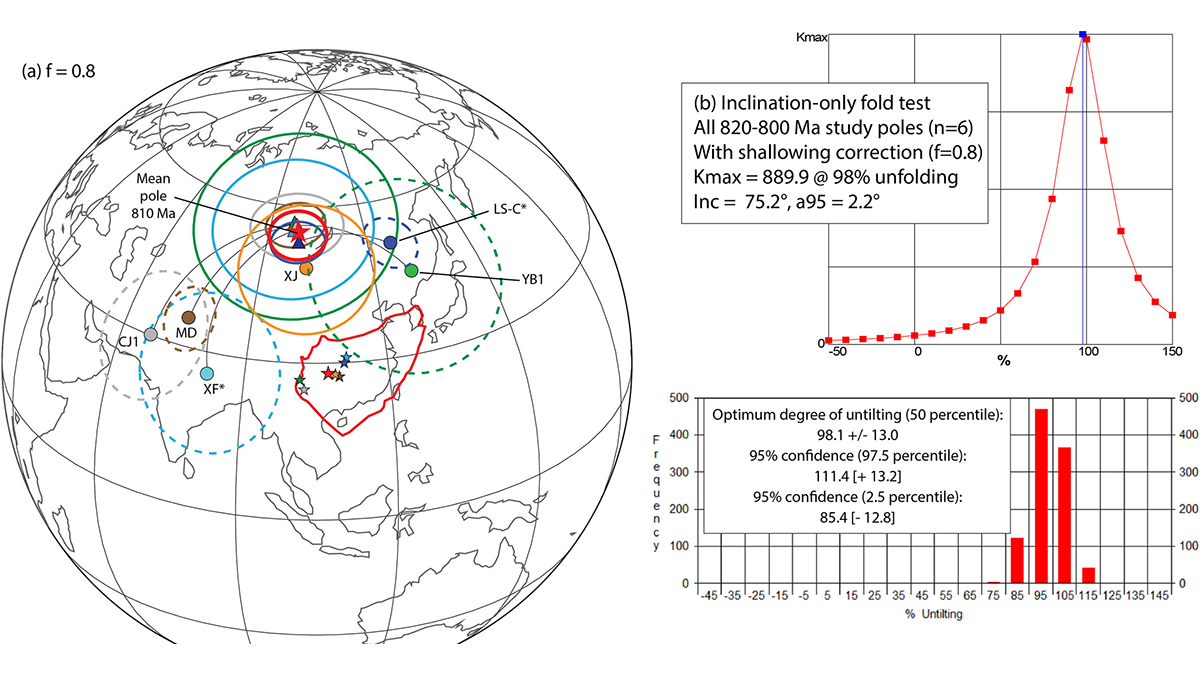
GAD is Enough!
An exhaustive study in China finds no need to invoke extreme true polar wander nor anomalous geomagnetic fields in the early Neoproterozoic.
Posted inEditors' Highlights
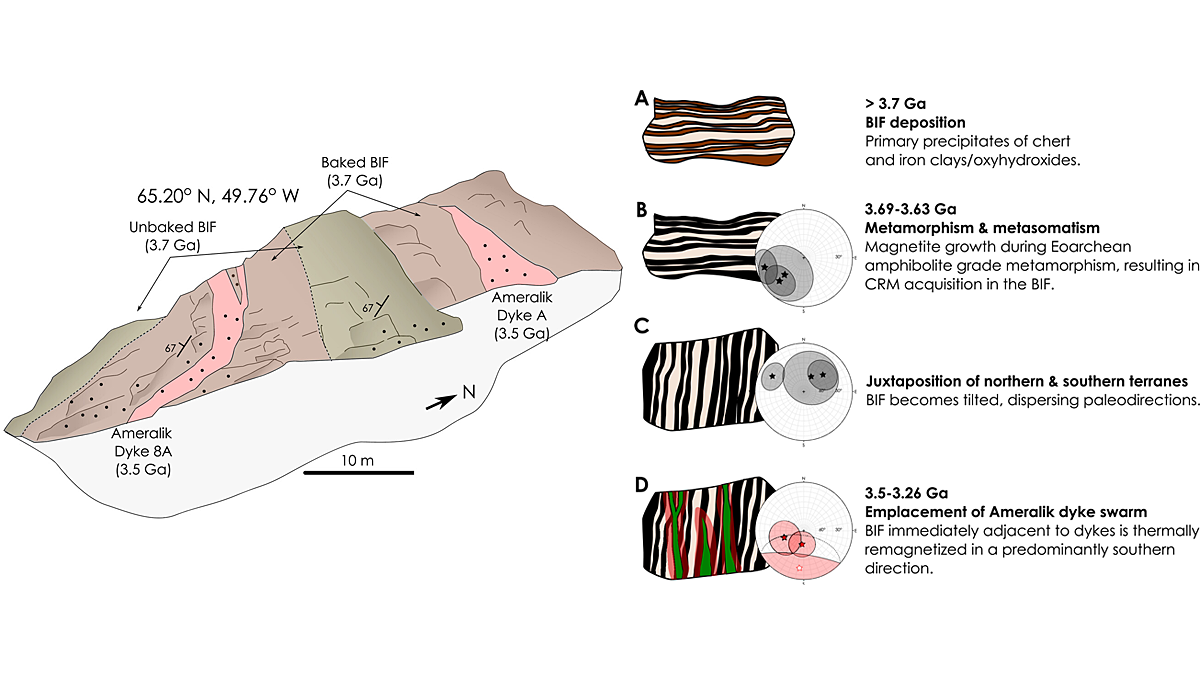
Greenland Could Have Records of 3.7-billion-year-old Geomagnetic Fields
Scientists argue that paleomagnetic field tests preserve a geomagnetic field record acquired as chemical remnant magnetization in banded iron formations in southwest Greenland.
Posted inResearch Spotlights
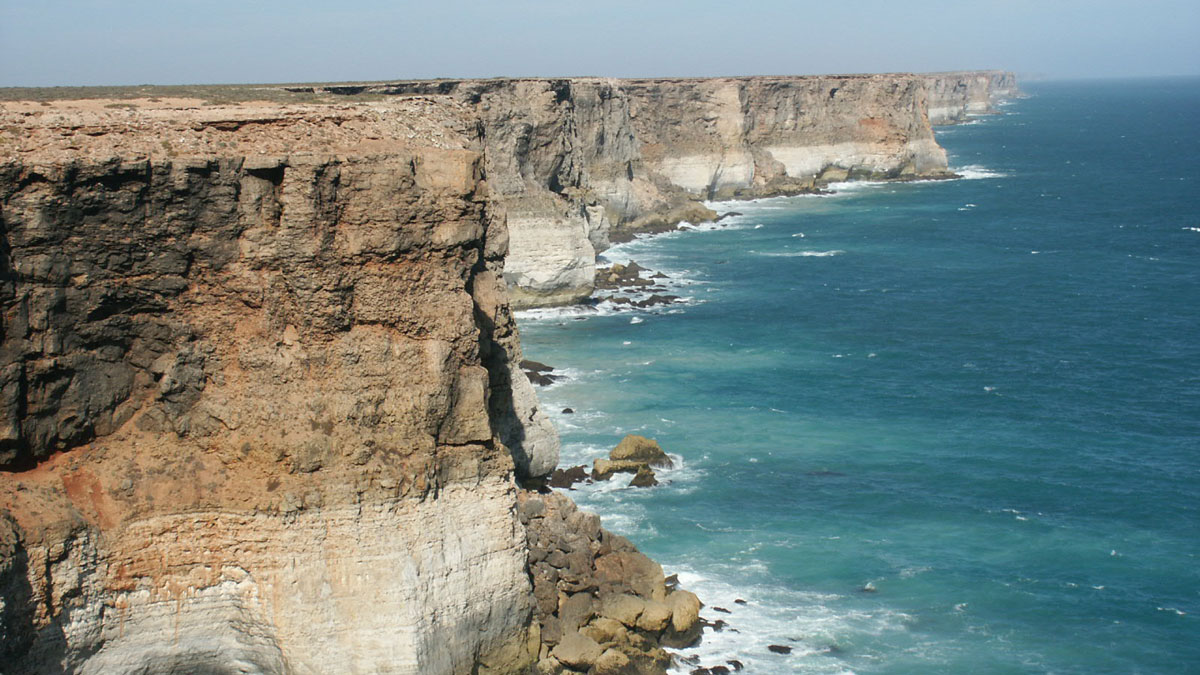
How Mantle Movements Shape Earth’s Surface

Two new data sets help researchers tease apart the influences of plate tectonics and mantle movement on surface topography.
Posted inEditors' Highlights
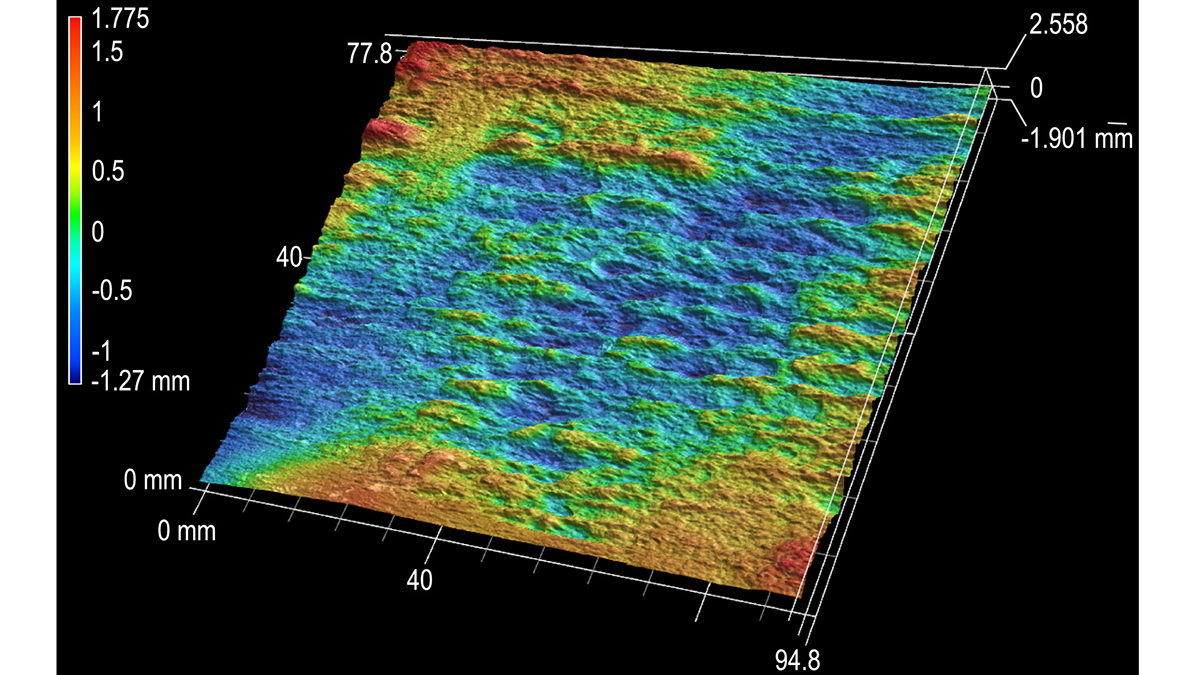
Hydraulic Fractures Are Lazy
The layering of rock masses can help constrain and focus the growth of hydraulic fractures.

Posted inEditors' Highlights
How Earthquakes Grow from a Tiny Fracture to a Catastrophic Event
State-of-art numerical simulations illustrate how a small-scale shear instability can become a giant earthquake in a manner that is consistent with seismological observation.

Posted inEditors' Highlights
What’s Hot in Iceland? A Close Up View of Hotspot-Ridge Interaction
New seafloor magnetic data help scientists retrace the evolution of the Reykjanes Ridge, lending insights into the effects of a mantle plume on mid-ocean ridge organization and evolution.
Posted inEditors' Highlights
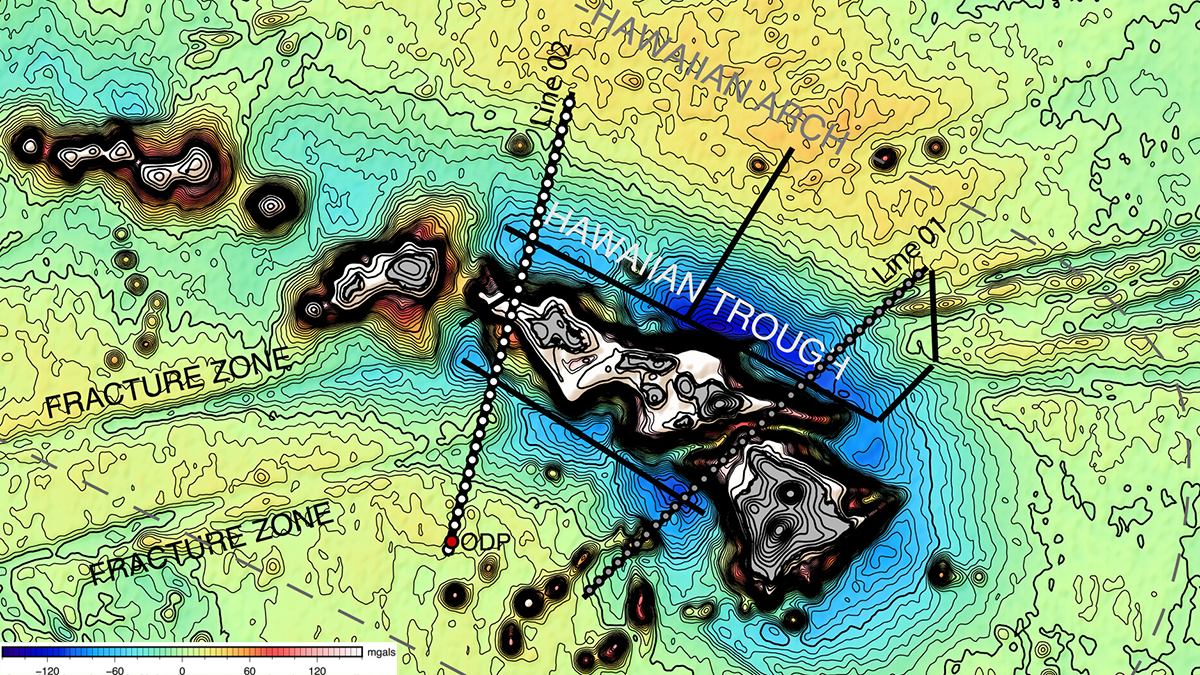
A Strong Pacific Plate Bends Under the Hawaiian Volcanic Chain
Two seismic studies reveal the volcanic loads and resulting flexure of the Pacific plate at the Hawaiian Ridge and, surprisingly, show no magmatic underplating.

Posted inEditors' Vox
Introducing the new Editor-in-Chief of JGR: Solid Earth
Learn about the person taking the helm of JGR: Solid Earth and his vision for the coming years.

Posted inEditors' Vox
Reflecting on 4 Years at the helm of JGR: Solid Earth
The outgoing Editor-in-Chief of JGR: Solid Earth reflects on their tenure and expresses appreciation to all those who contributed to the success of the journal over recent years.