


Cassini will fly close to Saturn's largest moon one last time. Here's a look back at what the spacecraft has revealed and ahead to scientists' final close glimpses of the moon.
meetings & workshops

Posted inAGU News
How Do Microbial Ecosystems and Climate Change Interact?

The American Society for Microbiology and the American Geophysical Union offer insights from a transdisciplinary collaboration of their scientists regarding this question and areas for further study.

Posted inEditors' Vox
Why It’s Time for a New Mission to Venus
A packed session entitled "Unveiling Venus" at the recent Lunar and Planetary Science Conference shows renewed interest in our sister planet.

Posted inScience Updates
Earth's Wobbly Path Gives Clues to Its Core
Understanding the Earth Core and Nutation; Brussels, Belgium, 19–21 September 2016

Posted inScience Updates
Volcanic Ash Particles Hold Clues to Their History and Effects
Volcanic Ash as an Active Agent in the Earth System (VA3): Combining Models and Experiments; Hamburg, Germany, 12–13 September 2016

Posted inNews
Iapetus's Ridge: The Result of Many Small Impacts?
A ridge around Saturn's third-largest moon has scientists scratching their heads.

Posted inAGU News
Fostering International Collaboration Amid Policy Challenges

The American Geophysical Union is taking multiple steps to ensure that the 2017 Fall Meeting brings together the global Earth and space science community while minimizing travel risks.
Posted inEditors' Vox
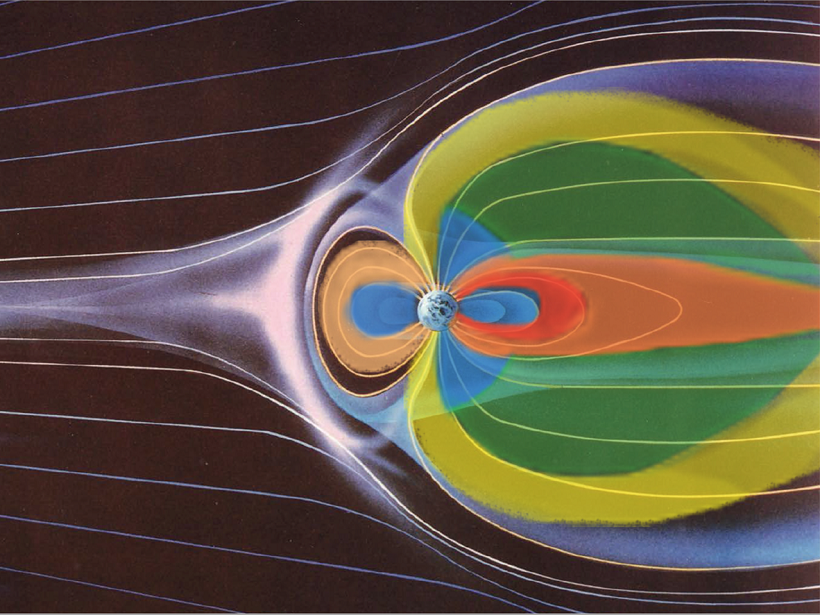
Filling Earth’s Space Environment from the Sun or the Earth?
The editor of a new book describes how a unique combination of the monograph and video show that a four-decade old paradigm in solar-terrestrial physics is changing.

Posted inNews
Lunar Lava Tubes Could Offer Future Moon Explorers a Safe Haven
Scientists find evidence that a 50-meter-deep pit on the Moon's surface could be a skylight opening to an intact lava tube tens of kilometers long.
Posted inScience Updates
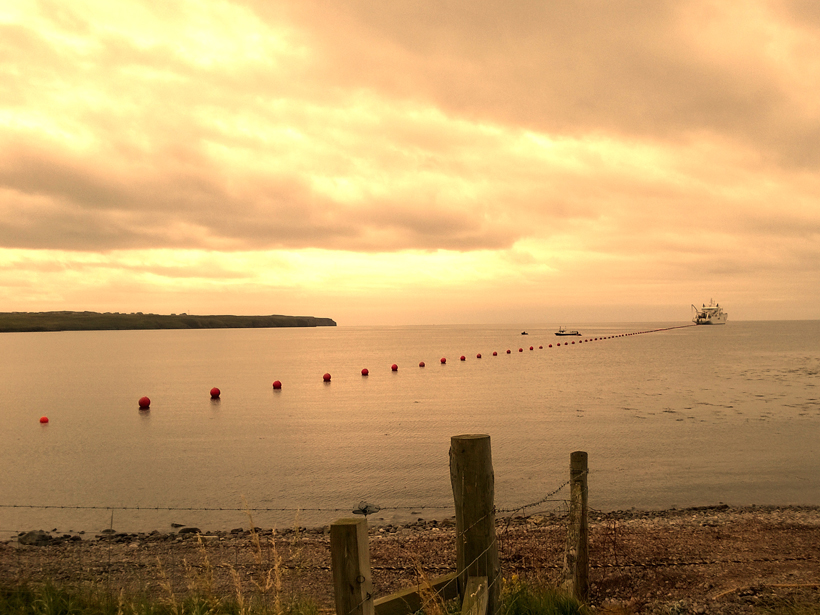
Commercial Underwater Cable Systems Could Reduce Disaster Impact
Workshop on SMART Cable Applications in Earthquake and Tsunami Science and Early Warning; Potsdam, Germany, 3–4 November 2016