

A cruise to study landslide potential along an earthquake-prone fault found a surprising methane plume.
methane

Posted inResearch Spotlights
Rising Temperatures Release Methane Locked in the Seabed

New research shows that when ice in the seafloor melts, single-cell organisms metabolize the methane released, preventing the greenhouse gas from reaching the atmosphere.

Posted inResearch Spotlights
When the Sun Goes Quiet, Titan Gets Gassy
Observations from NASA's Cassini probe show that the level of methane in Titan's atmosphere depends on the Sun's 11-year cycle of magnetic activity.
Posted inNews
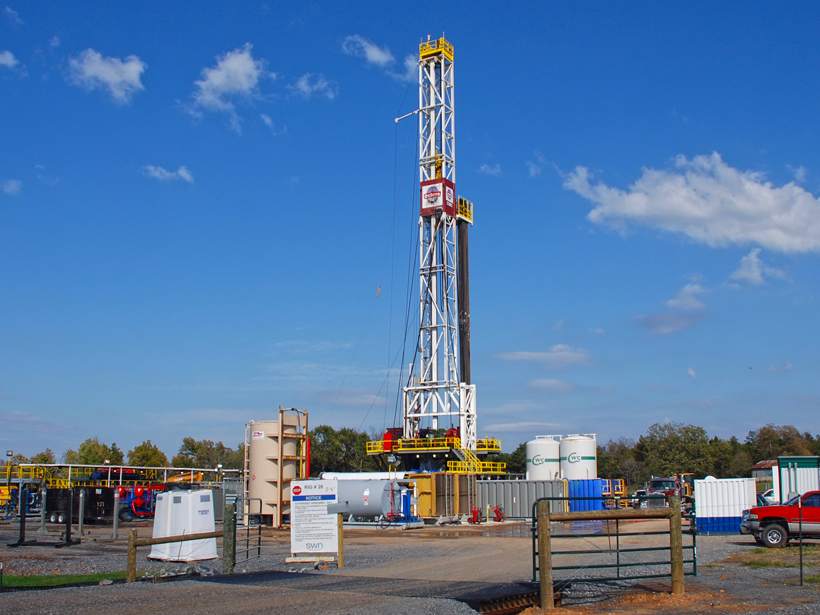
Jewell Presents Interior Department's Energy "Reform Agenda"

Interior Secretary Jewell says that the agency's agenda includes safe and responsible energy development, good government, and encouraging innovation.
Posted inResearch Spotlights
Rapid Gas Hydrate Forms Pockmarks in Nigeria's Seafloor
The seafloor in deep water regions off the coast of Nigeria is speckled with pockmarks that scientists suggest were mainly made by the rapid formation of gas hydrate.
Posted inResearch Spotlights
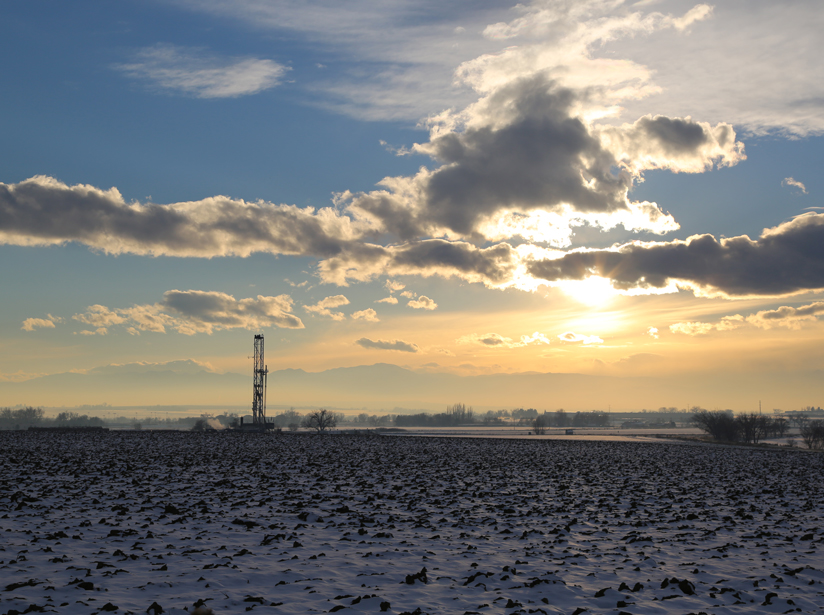
Colorado Hydrocarbon Leakage Rates Much Higher Than Reported
Airborne measurements put methane emissions from Colorado's Denver-Julesburg Basin at 12 to 26 tons per hour.
Posted inResearch Spotlights
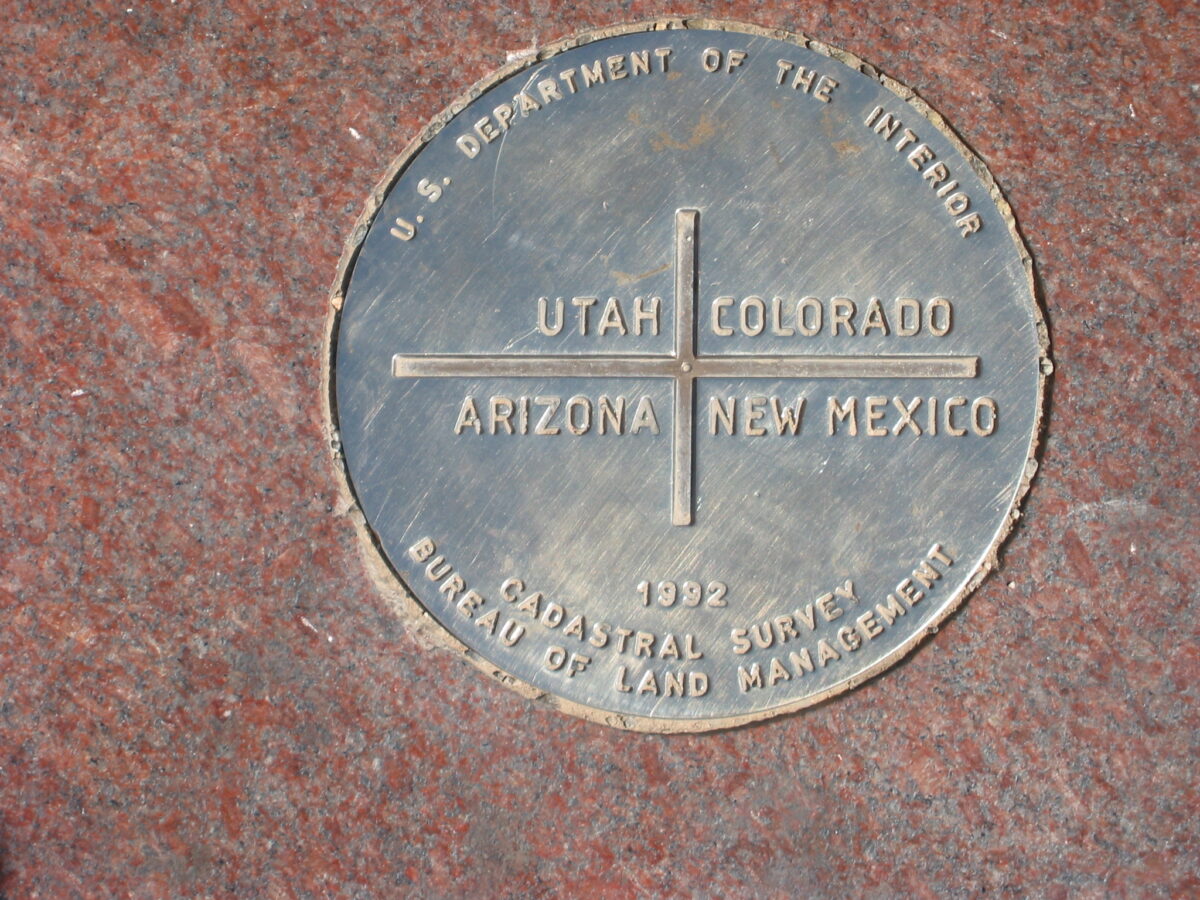
Southwest’s Four Corners Home to Largest U.S. Methane Signal
Satellite data reveal fossil fuel harvesting operations in the Southwest's Four Corners are generating the country's largest methane signal viewable from space.
Posted inResearch Spotlights
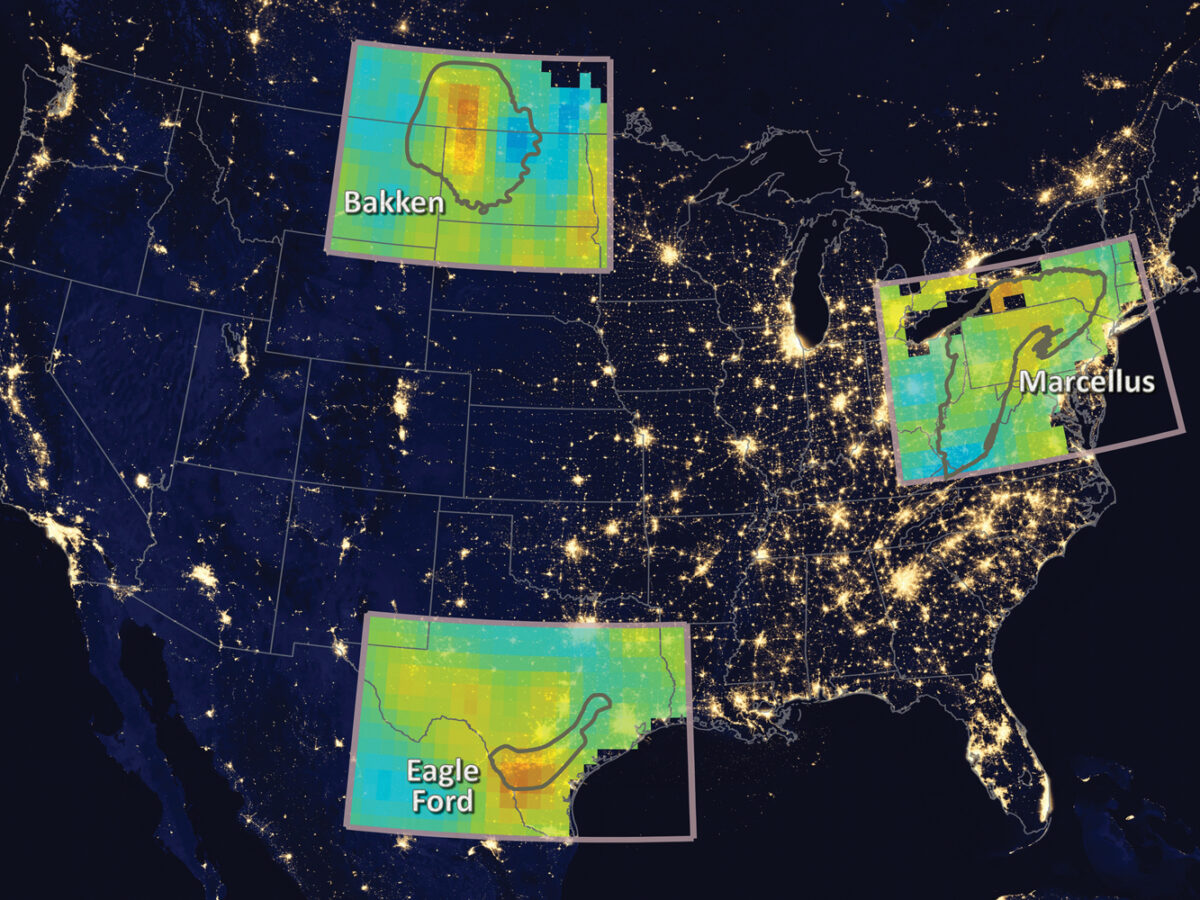
Methane Leaks from Oil and Gas Fields Detected from Space
Methane hot spots were detected in the atmosphere near North Dakota’s Bakken formation and the Eagle Ford formation in Texas after oil and gas production ramped up starting in 2009.
Posted inNews
Methane-Producing Microbes Important for Studying Greenhouse Gas Emissions

Scientists have long thought that methane-producing microbes contribute to climate change but are slowly learning just how big a role these microbes play.