
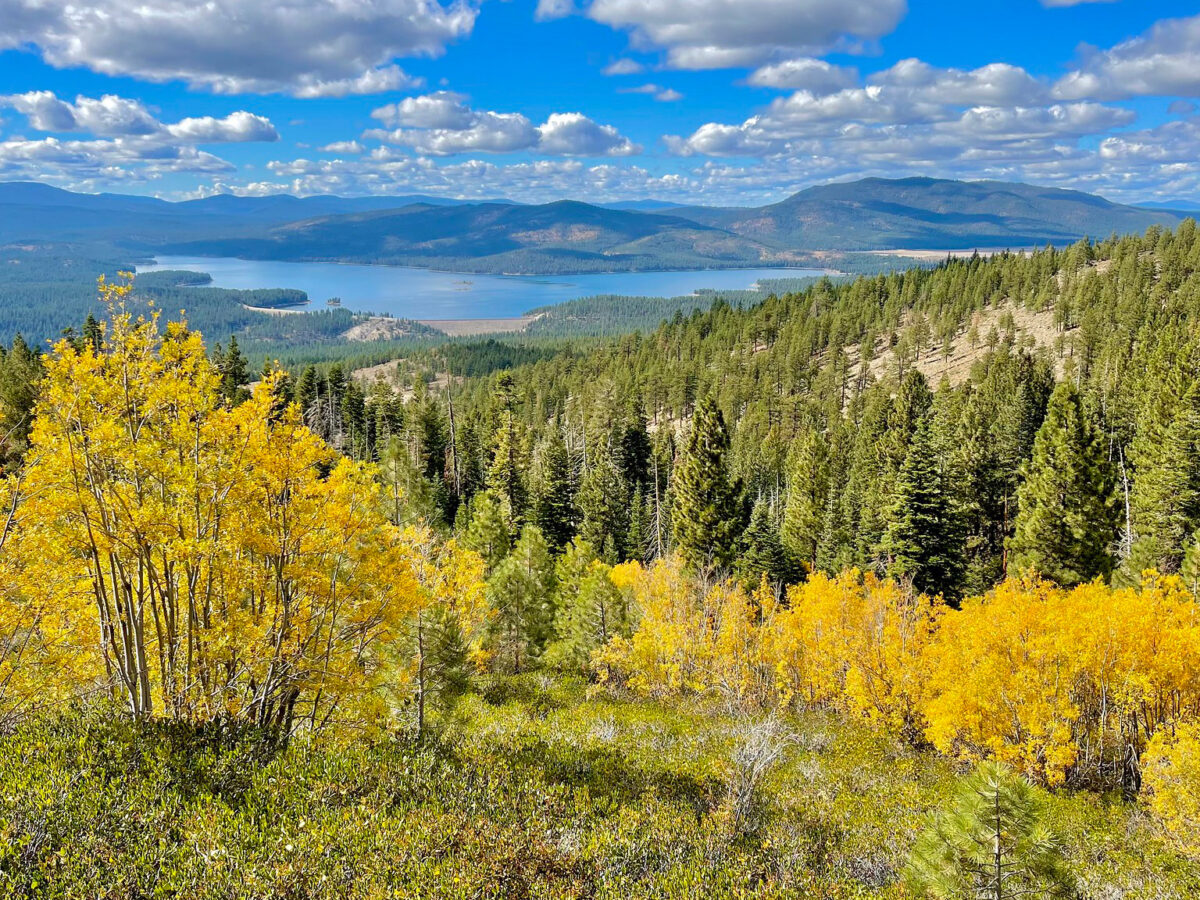

The U.S. Department of Agriculture (USDA) is proposing rescinding the 2001 Roadless Area Conservation Rule, which protects about 45 million acres (182,000 square kilometers) of National Forest System lands from road construction, reconstruction, and timber harvests.
national parks
Posted inResearch & Developments
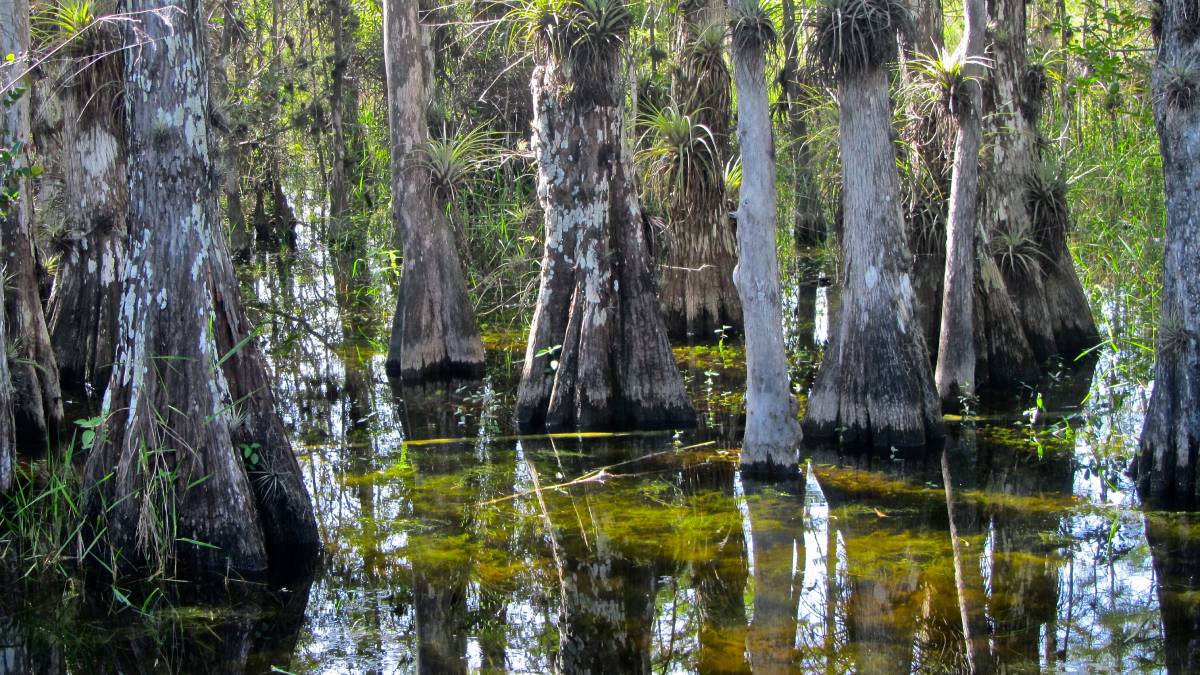
Environmental Groups Sue to Block Everglades Detention Facility

The groups assert that the facility will undermine decades’ of work and billions of dollars spent restoring and protecting the Everglades’ delicate ecosystem.
Posted inFeatures
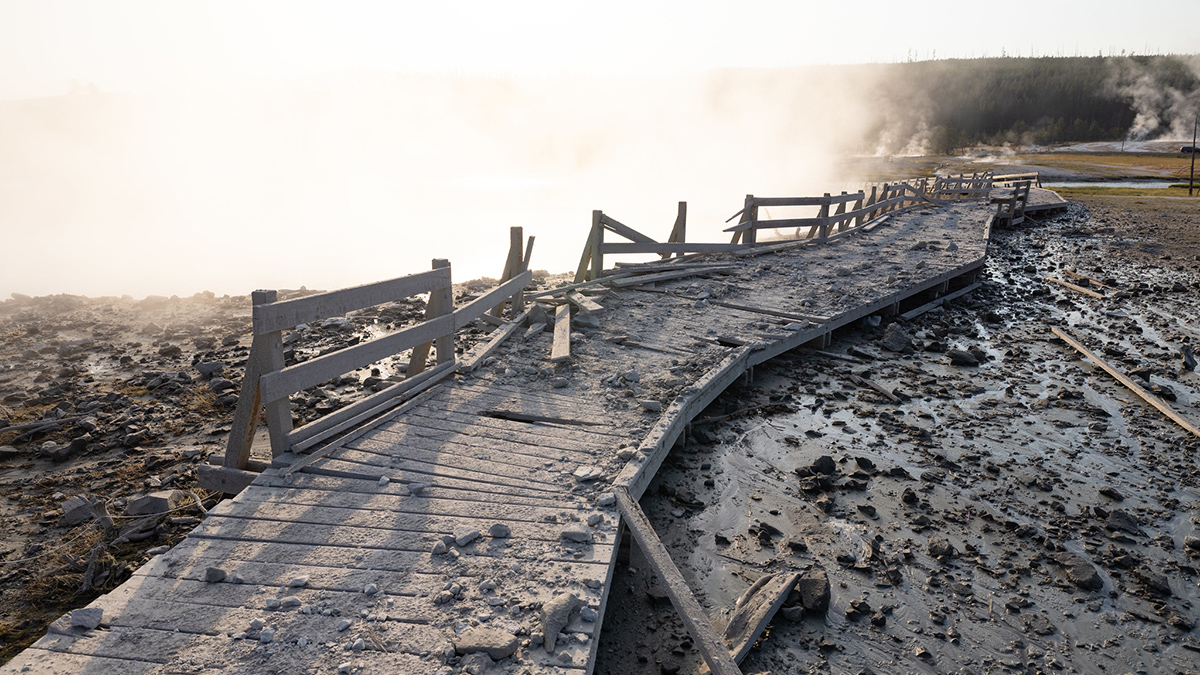
Hydrothermal Hazards on Display in Yellowstone National Park
Tourists and officials were startled by a hydrothermal explosion at Black Diamond Pool in July 2024. Geoscientists are working out how and why it occurred to better understand these hazardous events.

Posted inResearch & Developments
New U.S. Budget Proposal Slashes Billions in Funds for Science
President Trump’s proposed 2026 budget, released today, slashes non-defense discretionary spending by $163 billion, a 22.6% reduction from 2025.

Posted inNews
People Are Grieving Ecosystem Loss. How Can Public Land Managers Plan Accordingly?
From hordes rushing into national parks to mourners holding glacier funerals, tourists wanting to take in threatened natural places may be shifting visitation patterns.
Posted inNews
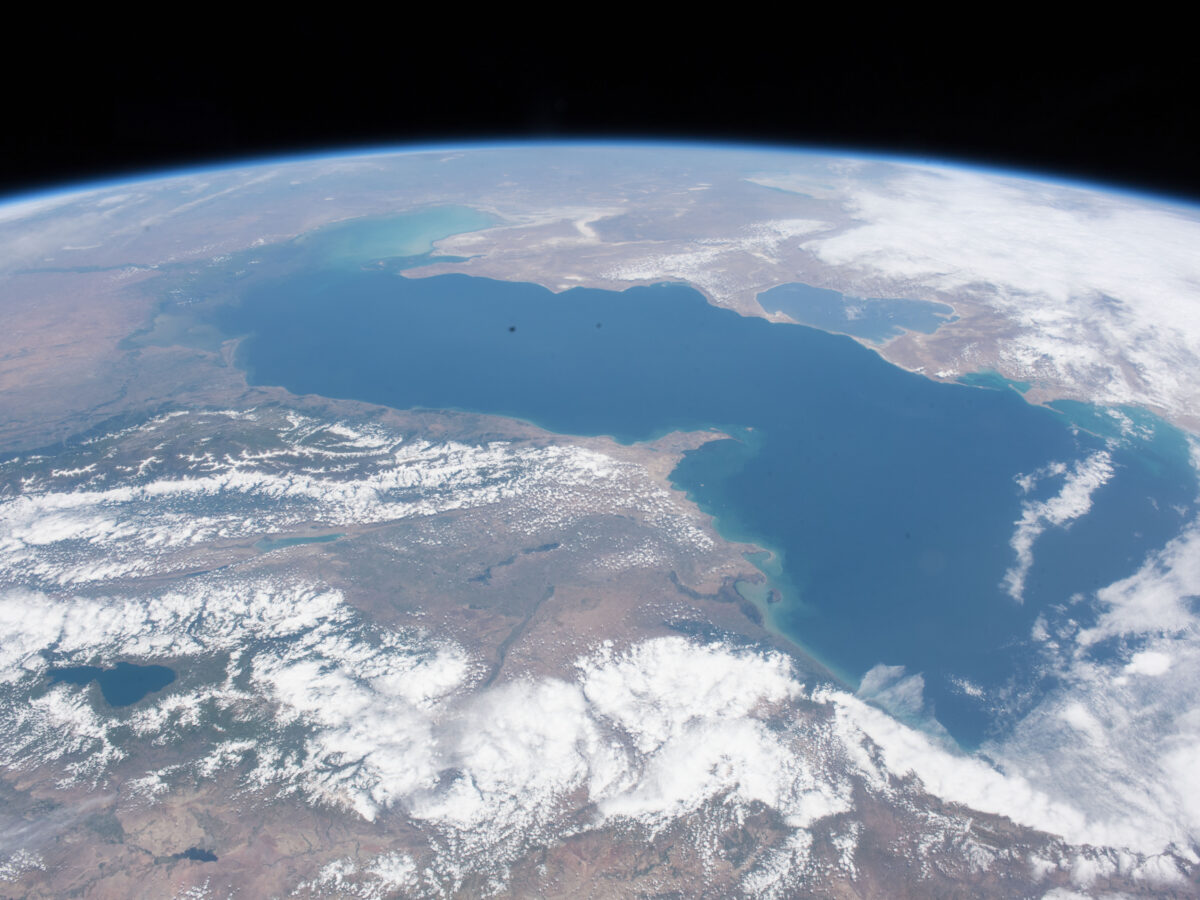
As the Caspian Sea Recedes, Tectonics May Help Shape Its Coastline

Land subsidence and uplift determine where the Caspian Sea’s coastline shifts the fastest.

Posted inNews
Flash Floods May Support One of the World’s Rarest Fish
Only a few hundred Devils Hole pupfish live in an isolated pool in the desert, where occasional floodwaters roil their habitat.
Posted inNews
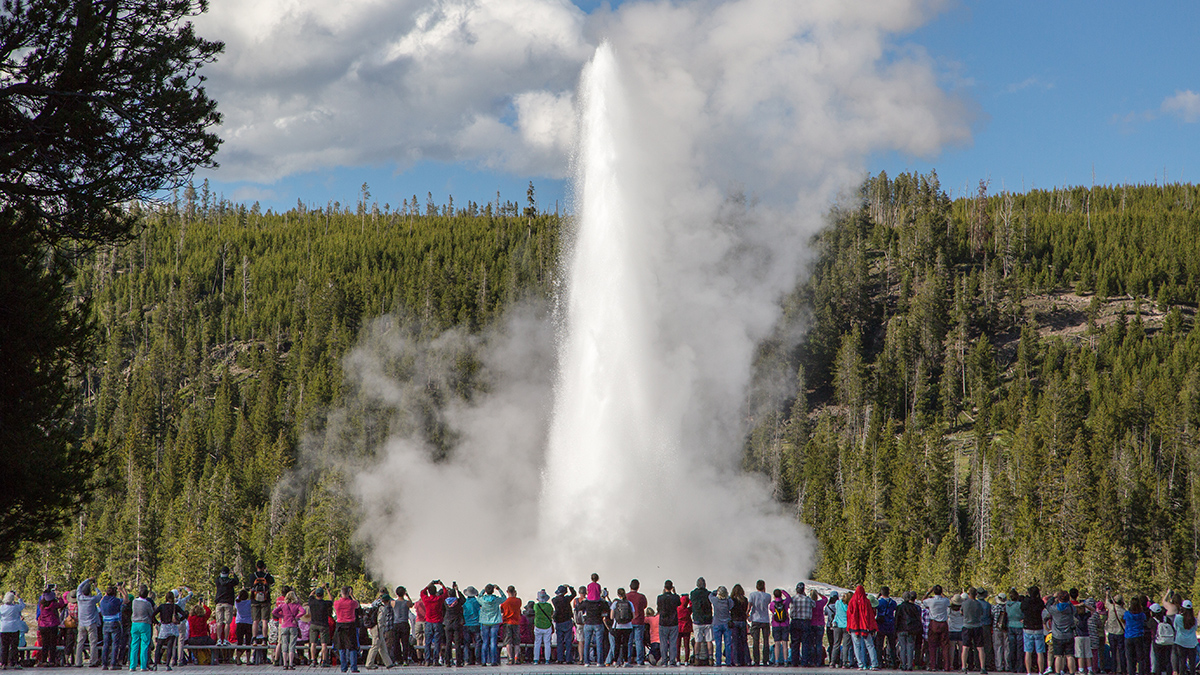
Steamy Bubbles May Control Old Faithful’s Clock
Scientists built a minigeyser to show why the natural wonder’s water surges so violently between eruptions.

Posted inNews
Beavers Have Engineered Ecosystems in the Tetons for Millennia
Analysis of lake sediment in Grand Teton National Park is helping piece together ecosystem history, with helpful implications for land managers today.

Posted inNews
A Strong Quake (or Two) Rattled Puget Sound 1,100 Years Ago
Tree rings hint that two neighboring faults ruptured within 6 months of each other and suggest that the maximum magnitude of quakes around Puget Sound could exceed previous estimates.