• About
  • Special Reports
  • Topics
    • Climate
    • Earth Science
    • Oceans
    • Space & Planets
    • Health & Ecosystems
    • Culture & Policy
    • Education & Careers
    • Opinions
  • Projects
    • Postcards From the Field
    • ENGAGE
    • Editors’ Highlights
    • Editors’ Vox
    • Eos en Español
    • Eos 简体中文版
    • Print Archive: 2015–2025
  • Policy Tracker
  • Blogs
    • Research & Developments
    • The Landslide Blog
  • Newsletter
  • Submit to Eos
  • AGU.org
  • Career Center
  • Join AGU
  • Give to AGU
  • About
  • Special Reports
  • Topics
    • Climate
    • Earth Science
    • Oceans
    • Space & Planets
    • Health & Ecosystems
    • Culture & Policy
    • Education & Careers
    • Opinions
  • Projects
    • Postcards From the Field
    • ENGAGE
    • Editors’ Highlights
    • Editors’ Vox
    • Eos en Español
    • Eos 简体中文版
    • Print Archive: 2015–2025
  • Policy Tracker
  • Blogs
    • Research & Developments
    • The Landslide Blog
  • Newsletter
  • Submit to Eos
Skip to content
  • AGU.org
  • Career Center
  • Join AGU
  • Give to AGU
Eos

Eos

Science News by AGU

Support Eos
Sign Up for Newsletter
  • About
  • Special Reports
  • Topics
    • Climate
    • Earth Science
    • Oceans
    • Space & Planets
    • Health & Ecosystems
    • Culture & Policy
    • Education & Careers
    • Opinions
  • Projects
    • Postcards From the Field
    • ENGAGE
    • Editors’ Highlights
    • Editors’ Vox
    • Eos en Español
    • Eos 简体中文版
    • Print Archive: 2015–2025
  • Policy Tracker
  • Blogs
    • Research & Developments
    • The Landslide Blog
  • Newsletter
  • Submit to Eos

Natural hazards

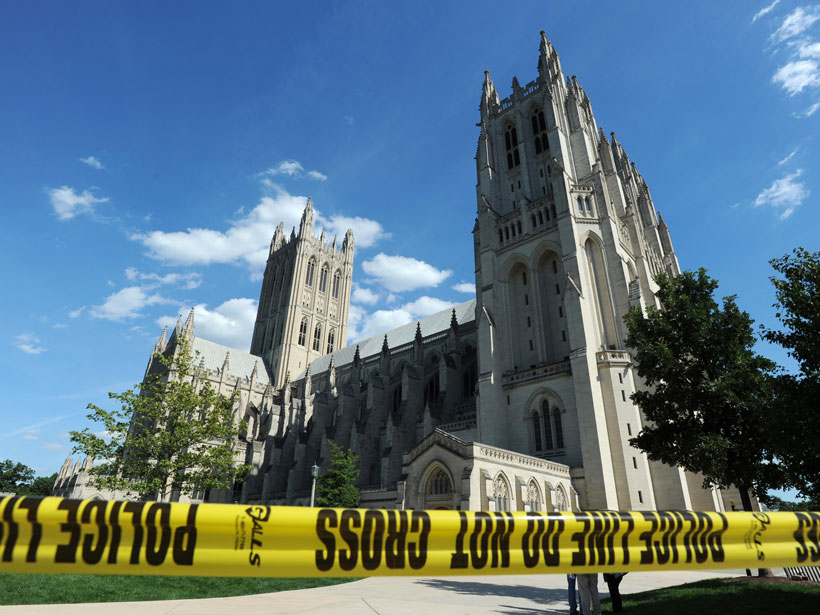
Police tape in front of the National Cathedral.
Posted inFeatures

Ten Years on from the Quake That Shook the Nation’s Capital

by T. L. Pratt, M. C. Chapman, A. Shah, J. W. Horton Jr. and O. Boyd 20 August 202128 September 2021

A decade of study into the Virginia earthquake that damaged D.C. and reverberated up and down the Atlantic coast in 2011 has shed light on rare, but risk-laden, seismicity in eastern North America.
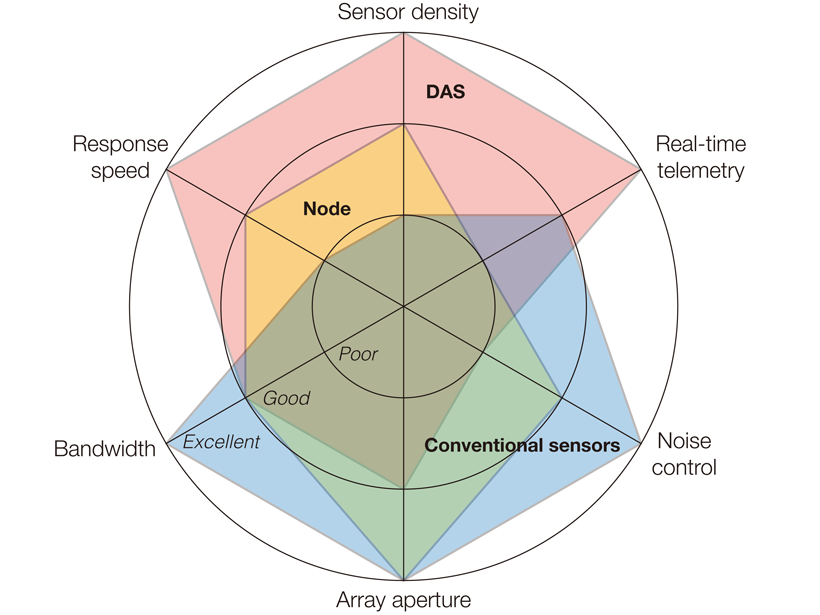
Plot showing complementary strengths and weaknesses of existing and emerging seismic instrumentation for earthquake response.
Posted inEditors' Highlights

Aftershocks and Fiber Optics

by Thorsten W. Becker 28 June 202114 May 2024

Internet cables can be transformed into a string of dense seismic sensors, and this approach has now been shown to be highly useful for quickly monitoring seismicity after major earthquakes.
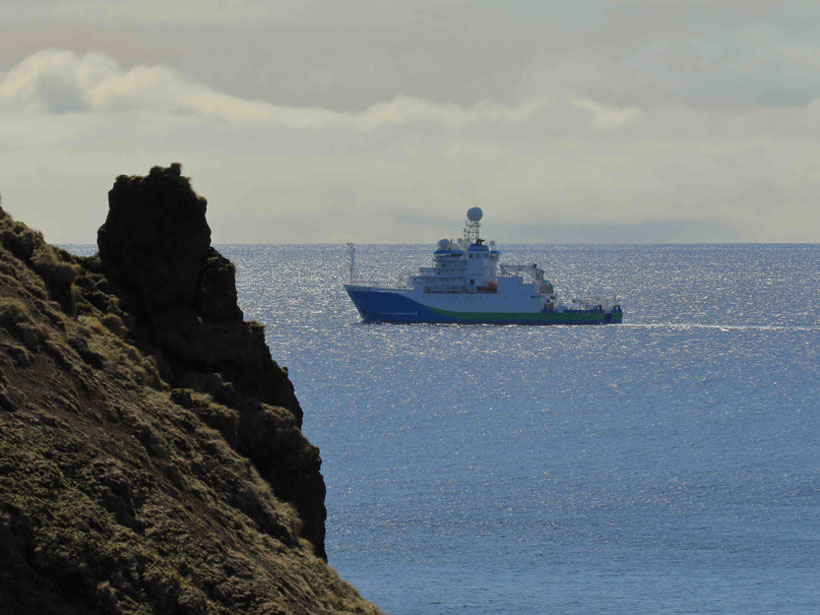
A large ship out at sea with a rocky island outcrop in the foreground
Posted inFeatures

Deploying a Submarine Seismic Observatory in the Furious Fifties

by H. Tkalčić, C. Eakin, M. F. Coffin, N. Rawlinson and J. Stock 14 June 202128 September 2021

Our crew braved rough Southern Ocean seas, endured pandemic precautions, and adapted plans on the fly for the chance to observe a possible subduction zone in the making below the Macquarie Ridge.
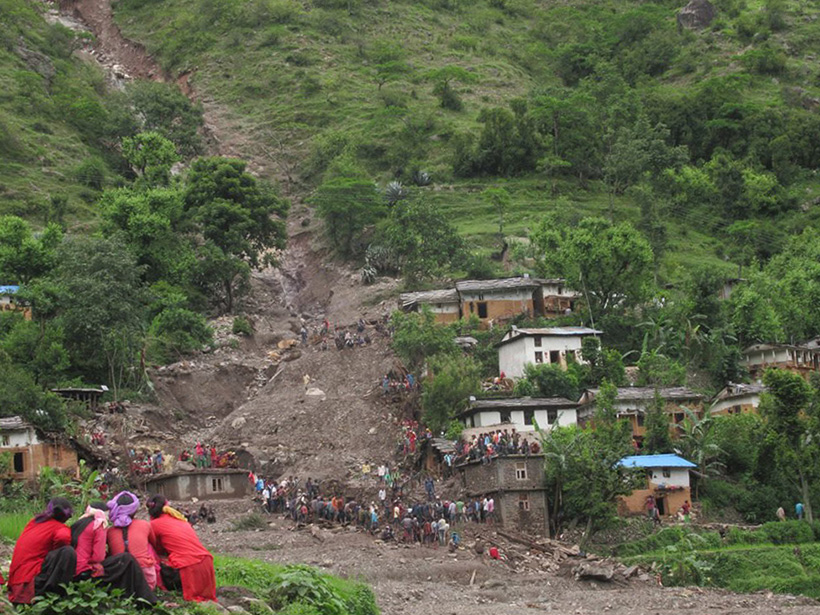
Debris from a large landslide is heaped amid a damaged community in western Nepal
Posted inFeatures

Nepal’s Communities Brace for Multihazard Risks

by B. Rakhal, S. Sharma, G. R. Ghimire, T. R. Adhikari and R. Shrestha 1 June 20215 November 2021

From its high mountains to its low plains, Nepal faces growing risks from natural hazards. Preparing for these risks requires accurate, locally relevant risk assessments and effective communications.

A sign in Spanish near the ocean in Lima, Peru, warns of danger in a tsunami hazard zone.
Posted inAGU News

Building Equity into Hazards Research

Heather Goss, AGU Publisher by Heather Goss 23 February 20218 January 2024

In the March issue of Eos, we look at how scientists who study earthquakes, floods, and other hazards are factoring people into their models.
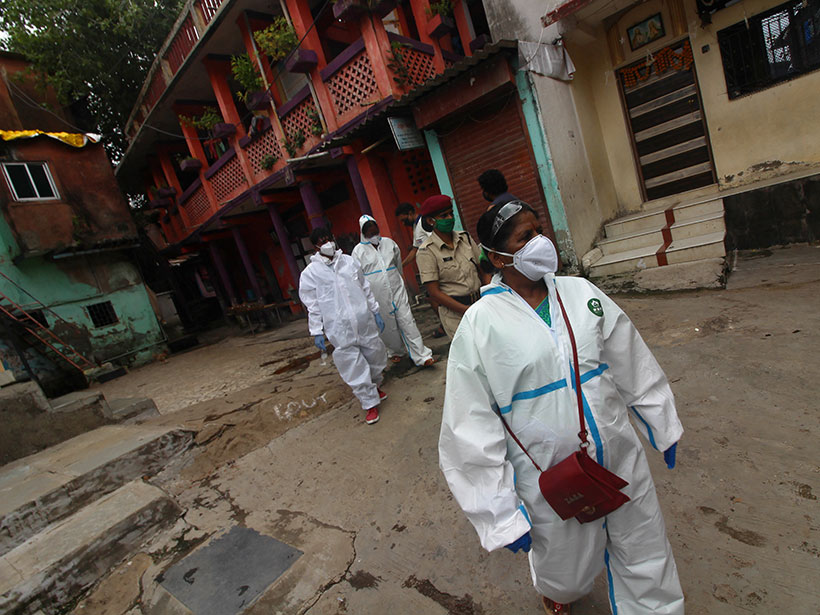
Health care workers in masks and hazmat suits walk through a residential area in India.
Posted inNews

When Natural Disasters Cross the Path of COVID-19

by T. V. Padma 2 July 20209 September 2024

Natural hazards are intersecting with the coronavirus pandemic in India, and researchers will need to model both to inform the public health response.

National Guard rescue man in boat on flooded street
Posted inOpinions

Uncontrolled Chemical Releases: A Silent, Growing Threat

by K. R. Miner 17 July 201927 October 2022

Uncontrolled releases of household, industrial, and agricultural chemicals during natural disasters pose an underappreciated hazard to humans and ecosystems. Here’s what we can do.

Landslides after 2008 Wenchuan earthquake
Posted inEditors' Vox

Cascading Down the Mountain

by X. Fan, G. Scaringi, Q. Xu and R. Huang 24 June 201931 March 2023

Earthquakes in mountain ranges produce a cascade of geological disturbances and hazards, from enormous landslides to climate change.

Figure showing model reconstructions of the Palu tsunami
Posted inEditors' Highlights

Modeling Tsunamis with Social Media

by G. P. Hayes 31 May 201930 August 2022

Video footage gathered from social media is used to reconstruct the timing and likely source(s) of the tsunami generated by the 2018 Palu earthquake.

The 17 October 2015 landslide at Tyndall Glacier Alaska
Posted inResearch Spotlights

Study of Alaskan Landslide Could Improve Tsunami Modeling

by E. Underwood 26 April 201911 February 2022

A rare submarine landslide provides researchers with a reference point for modeling the biggest tsunamis.

Posts pagination

Newer posts 1 … 8 9 10 11 Older posts
Over a dark blue-green square appear the words Special Report: The State of the Science 1 Year On.

Features from AGU Publications

Research Spotlights

As Wildfires Increase in the West, So Does Suppression Spending

10 June 202610 June 2026
Editors' Highlights

Multi-Scale Fault Roughness Encapsulated in a Friction Law

11 June 202611 June 2026
Editors' Vox

Small-Scale Indian Ocean Dynamics Underpin Marine Ecology and Climate

4 June 20263 June 2026
Eos logo at left; AGU logo at right

About Eos
ENGAGE
Awards
Contact

Advertise
Submit
Career Center
Sitemap

© 2026 American Geophysical Union. All rights reserved Powered by Newspack