• About
  • Sections
  • Topics
    • Climate
    • Earth Science
    • Oceans
    • Space & Planets
    • Health & Ecosystems
    • Culture & Policy
    • Education & Careers
    • Opinions
  • Projects
    • Postcards From the Field
    • ENGAGE
    • Editors’ Highlights
    • Editors’ Vox
    • Eos en Español
    • Eos 简体中文版
    • Print Archive: 2015–2025
  • Science Policy Tracker
  • Blogs
    • Research & Developments
    • The Landslide Blog
  • Newsletter
  • Submit to Eos
  • AGU.org
  • Career Center
  • Join AGU
  • Give to AGU
  • About
  • Sections
  • Topics
    • Climate
    • Earth Science
    • Oceans
    • Space & Planets
    • Health & Ecosystems
    • Culture & Policy
    • Education & Careers
    • Opinions
  • Projects
    • Postcards From the Field
    • ENGAGE
    • Editors’ Highlights
    • Editors’ Vox
    • Eos en Español
    • Eos 简体中文版
    • Print Archive: 2015–2025
  • Science Policy Tracker
  • Blogs
    • Research & Developments
    • The Landslide Blog
  • Newsletter
  • Submit to Eos
Skip to content
  • AGU.org
  • Career Center
  • Join AGU
  • Give to AGU
Eos

Eos

Science News by AGU

Support Eos
Sign Up for Newsletter
  • About
  • Sections
  • Topics
    • Climate
    • Earth Science
    • Oceans
    • Space & Planets
    • Health & Ecosystems
    • Culture & Policy
    • Education & Careers
    • Opinions
  • Projects
    • Postcards From the Field
    • ENGAGE
    • Editors’ Highlights
    • Editors’ Vox
    • Eos en Español
    • Eos 简体中文版
    • Print Archive: 2015–2025
  • Science Policy Tracker
  • Blogs
    • Research & Developments
    • The Landslide Blog
  • Newsletter
  • Submit to Eos

North Sea

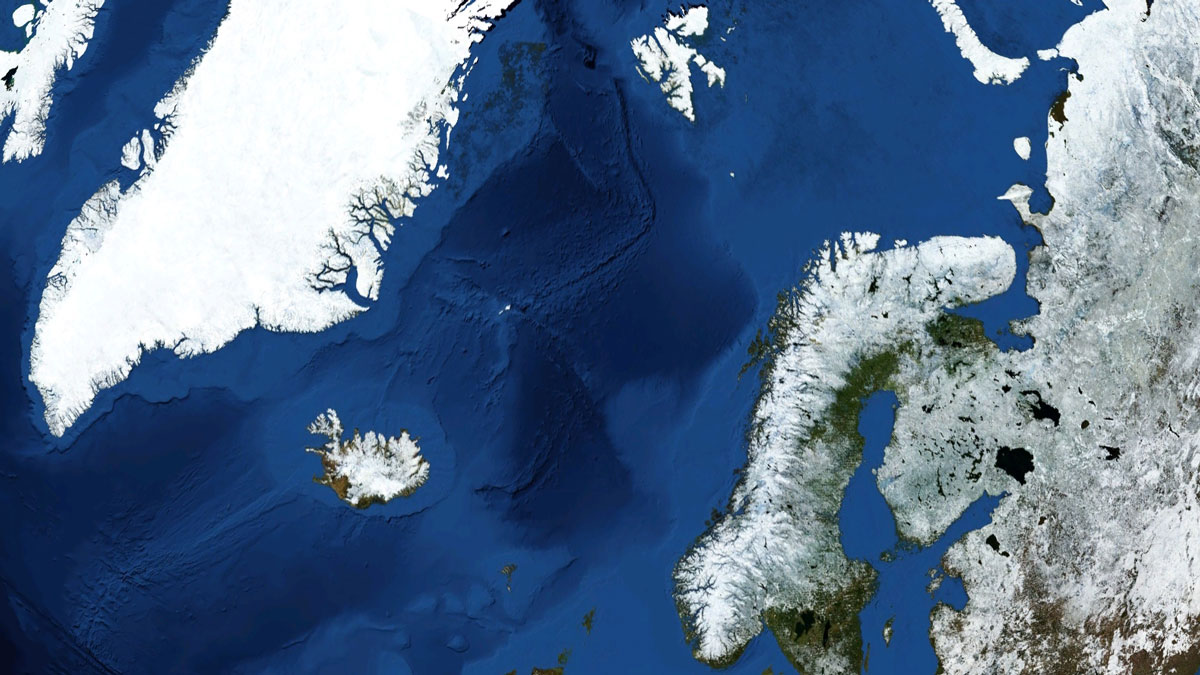
A view of blue water and snow- and vegetation-covered landmasses seen from far above Earth’s surface.
Posted inNews

New Eyes on One of the Planet’s Largest Submarine Landslides

Katherine Kornei, Science Writer by Katherine Kornei 22 December 202522 December 2025

Researchers have mapped the ancient Stad Slide off the coast of Norway to better understand what triggered it, and the hunt is on for the tsunami it might have unleashed.

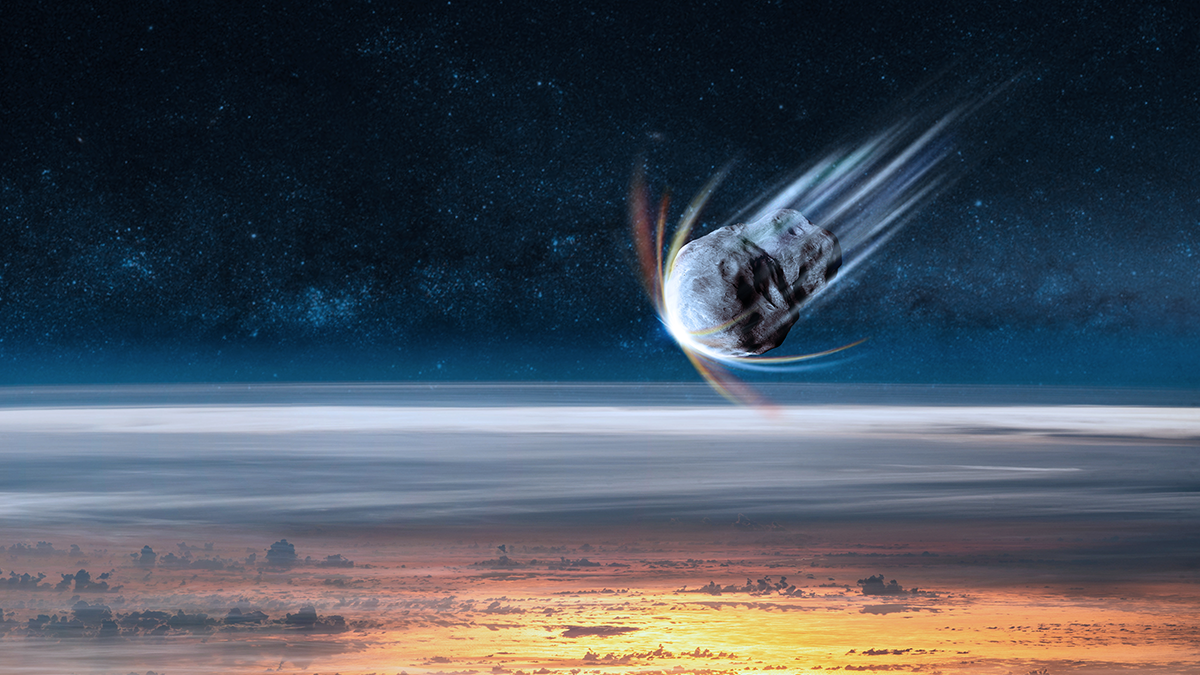
Artist’s rendering of Earth’s horizon from space with an asteroid entering the atmosphere
Posted inNews

Submerged Crater near Europe Tied to an Impact

Katherine Kornei, Science Writer by Katherine Kornei 20 September 202515 December 2025

New subsurface imaging and rock samples suggest that Silverpit Crater formed from an impact that occurred roughly 45 million years ago.
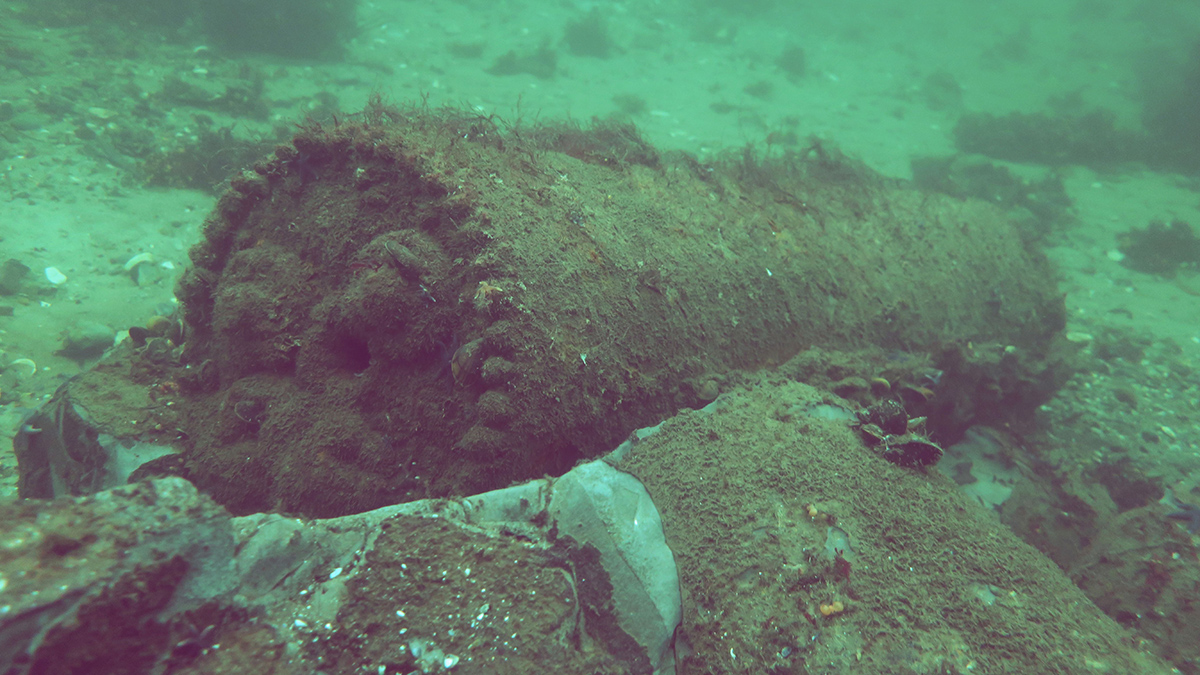
A rusting metal cylinder sits on the bottom of the sea.
Posted inNews

WWII Ordnance Is Polluting the Baltic Sea

Javier Barbuzano, Science Writer by Javier Barbuzano 4 April 202515 December 2025

Discarded explosives were dumped into the Baltic and North seas after World War II. Their deadly legacy is still with us.
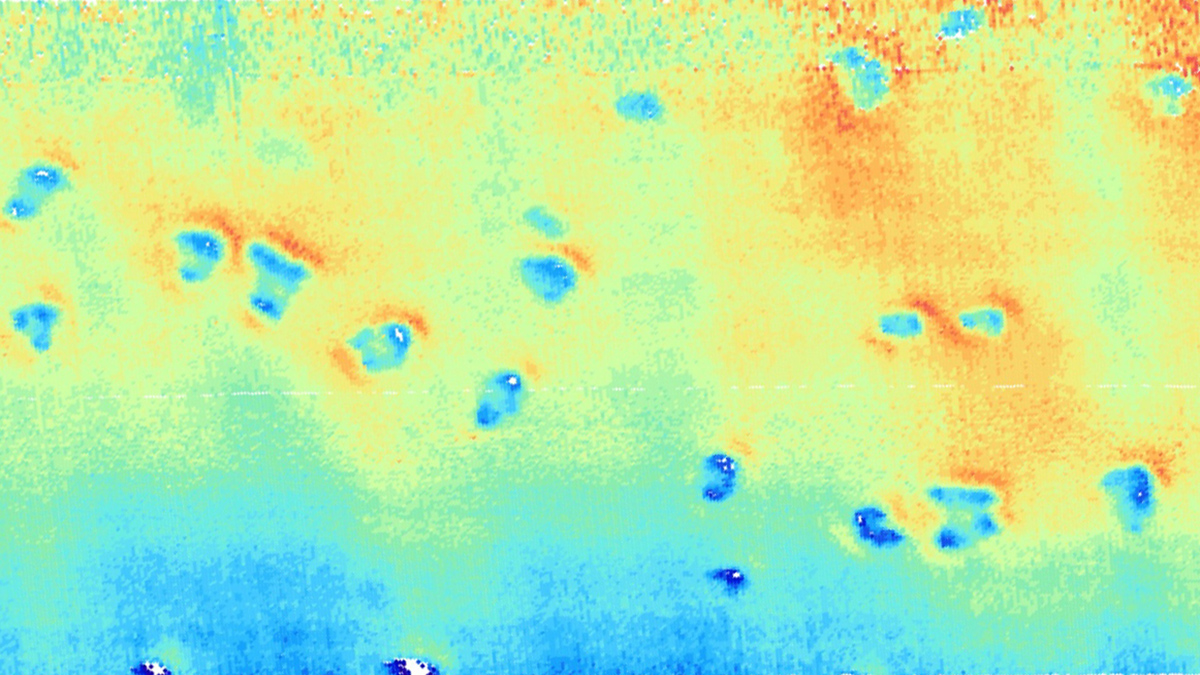
Colorful multibeam bathymetry shows pits likely created by porpoises on the seafloor. Some pits have merged together to create bigger conjoined pits.
Posted inNews

Mysterious Seafloor Pits May Be Made on Porpoise

by Andrew Chapman 15 February 202415 December 2025

Some shallow seafloor depressions off the coast of Germany that look like those associated with methane might instead be the work of porpoises.

A view of a bridge, with the New Orleans skyline visible in the distance between the bridge and the water. A purple tint, a teal curved line representing a river, and the text “#AGU25 coverage from Eos” overlie the photo.

Features from AGU Publications

Research Spotlights

Our Ocean’s “Natural Antacids” Act Faster Than We Thought

30 January 202630 January 2026
Editors' Highlights

Cows, Coal, and Chemistry: The Role of Photochemistry in Methane Budget

27 January 202623 January 2026
Editors' Vox

Bridging the Gap: Transforming Reliable Climate Data into Climate Policy

16 January 202616 January 2026
Eos logo at left; AGU logo at right

About Eos
ENGAGE
Awards
Contact

Advertise
Submit
Career Center
Sitemap

© 2026 American Geophysical Union. All rights reserved Powered by Newspack