

通过让砍伐整齐的森林变得斑驳,驼鹿在森林中创造出一个反射表面,可以反射阳光并降低温度。
Norway

Posted inResearch Spotlights
Munching Moose Cool Forest Floors
By making clear-cut forests patchier, moose create a reflective surface that bounces back sunlight and keeps temperatures down.
Posted inNews
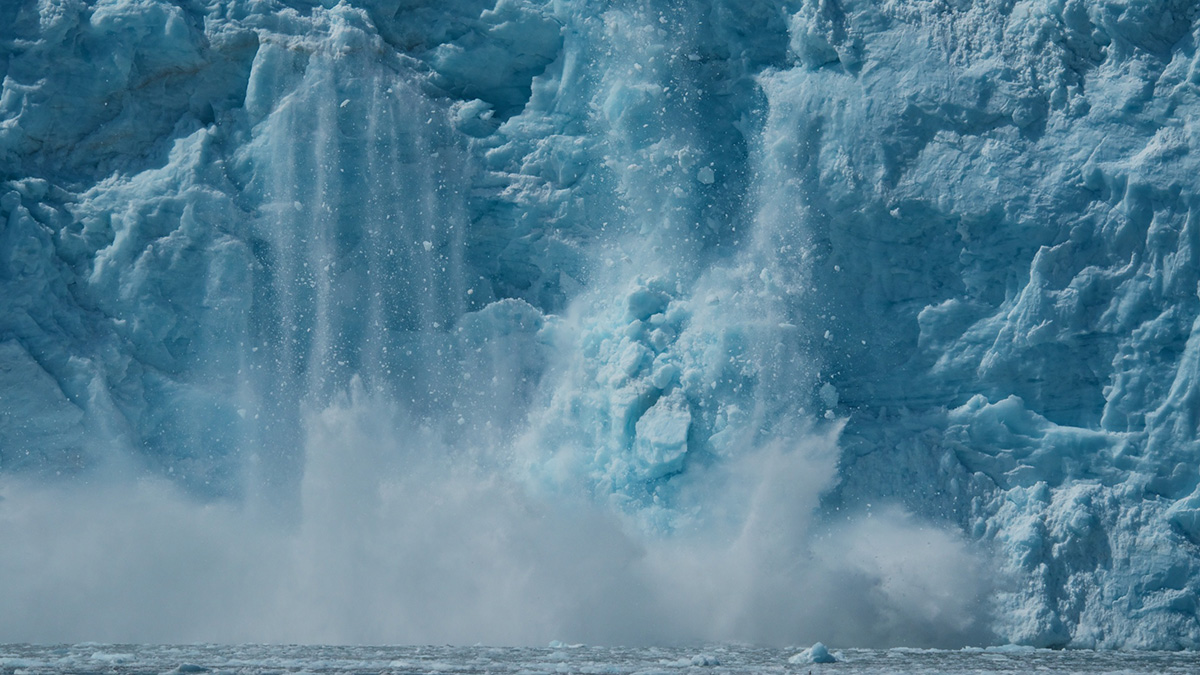
Underwater Sounds Help Reveal Extent of Glacial Calving
If a glacier calves into the Arctic Ocean, does it make a sound? Some scientists say yes and have devised a clever way to use those sounds to calculate the size of the fallen ice chunks.
Posted inNews
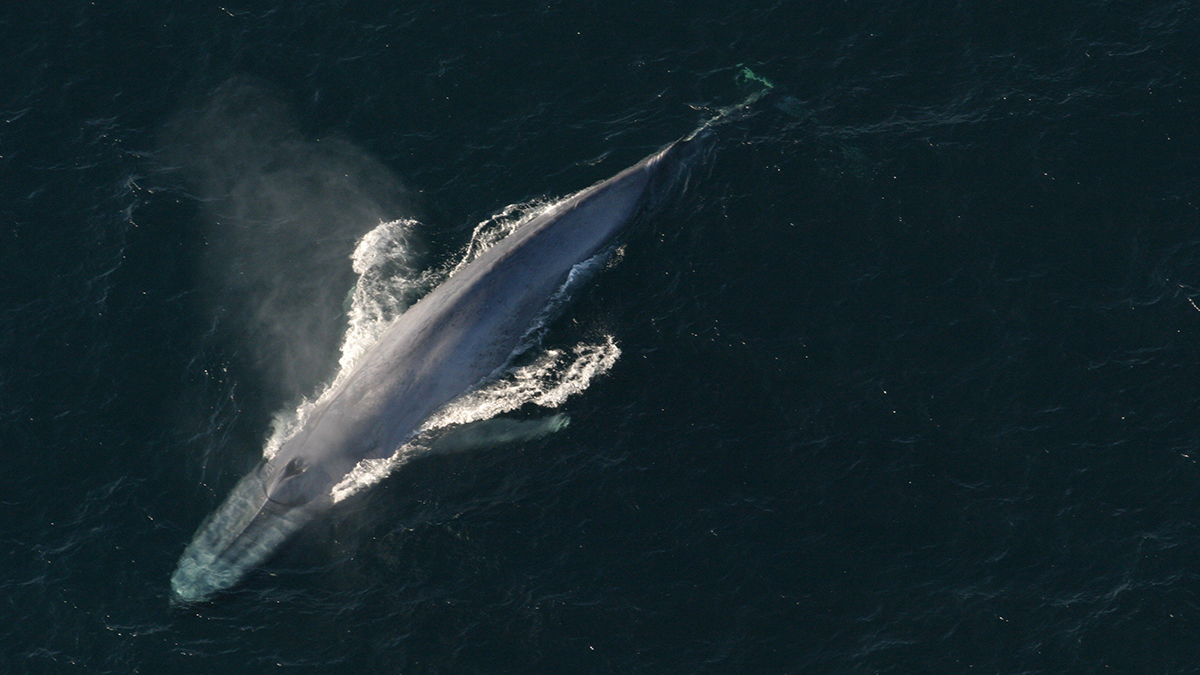
Wiretapped Cables and the Songs of Whales

Researchers jerry-rigged fiber-optic cables in a fjord to eavesdrop on blue whales, with possible applications ranging from seafloor mapping to meteorology.

Posted inScience Updates
Local Climate Projections: A Little Money Goes a Long Way
Three Nordic countries collaborate to build a suite of eScience tools to support long-term planning and decision-making in the face of a changing climate.
Posted inScience Updates
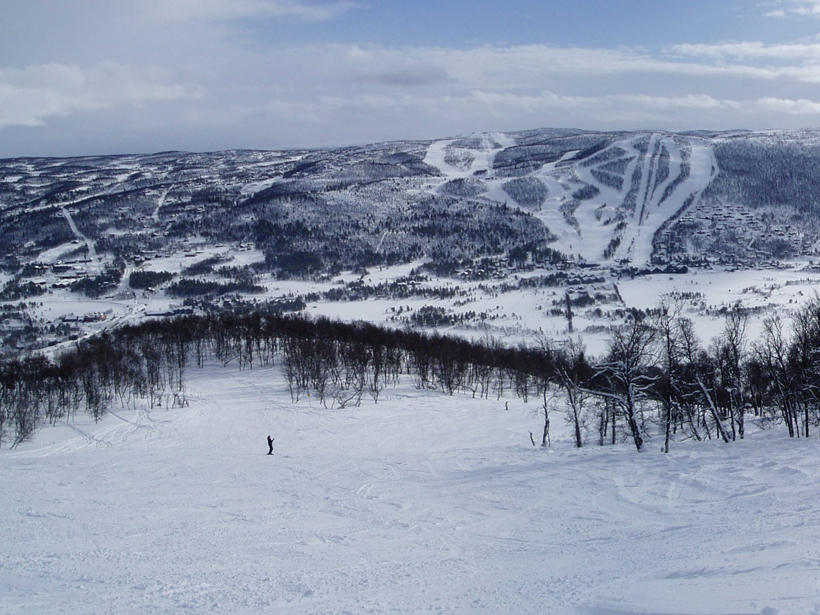
An Evolving Framework for Advancing Climate Services in Norway
Meeting of the Norwegian Centre for Climate Services; Geilo, Norway, 25–26 October 2017
Posted inResearch Spotlights
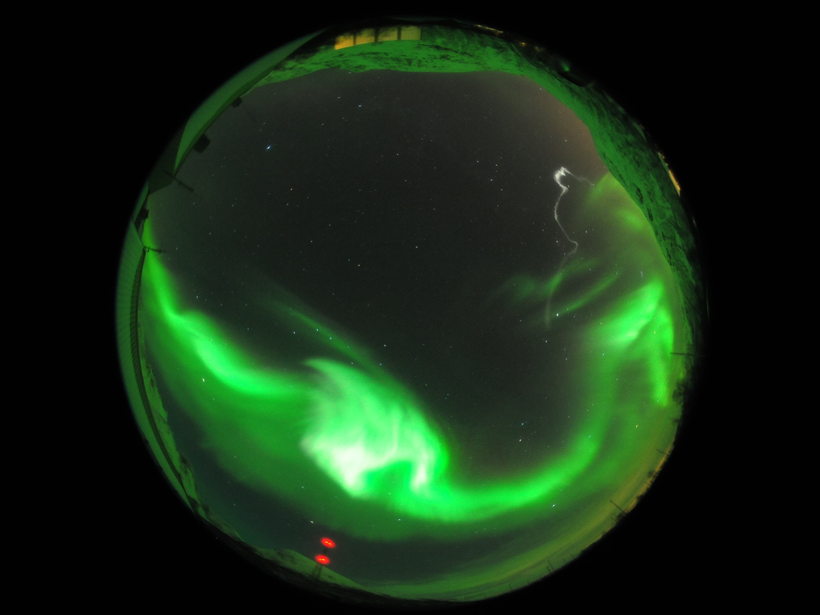
Sounding Rockets Probe the Northern Lights Above Norway
Scientists measure how the aurora affects winds in the upper atmosphere.
Posted inResearch Spotlights
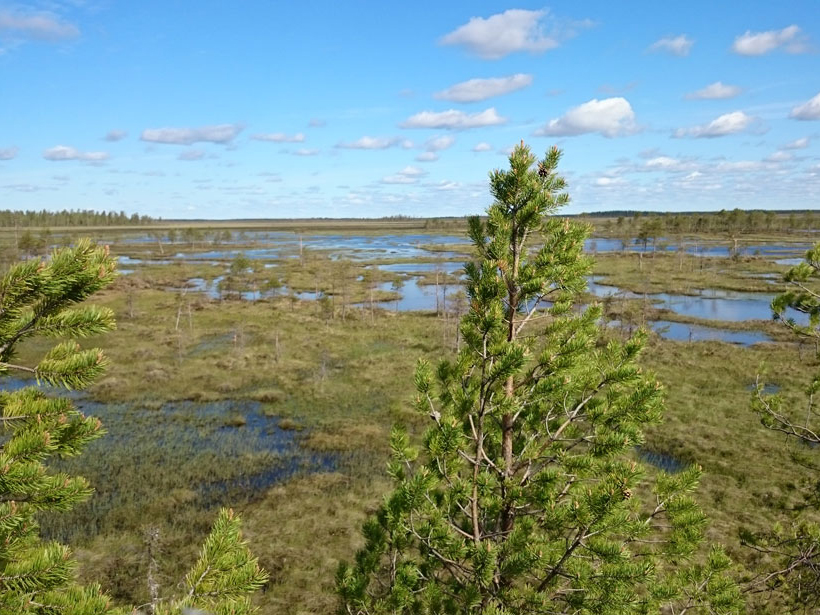
What’s the Average Methane Isotope Signature in Arctic Wetlands?

Aircraft measurements confirm that methane emissions from northern European wetlands exhibit a uniform regional carbon isotopic signature, despite considerable ground-level heterogeneity.
Posted inScience Updates
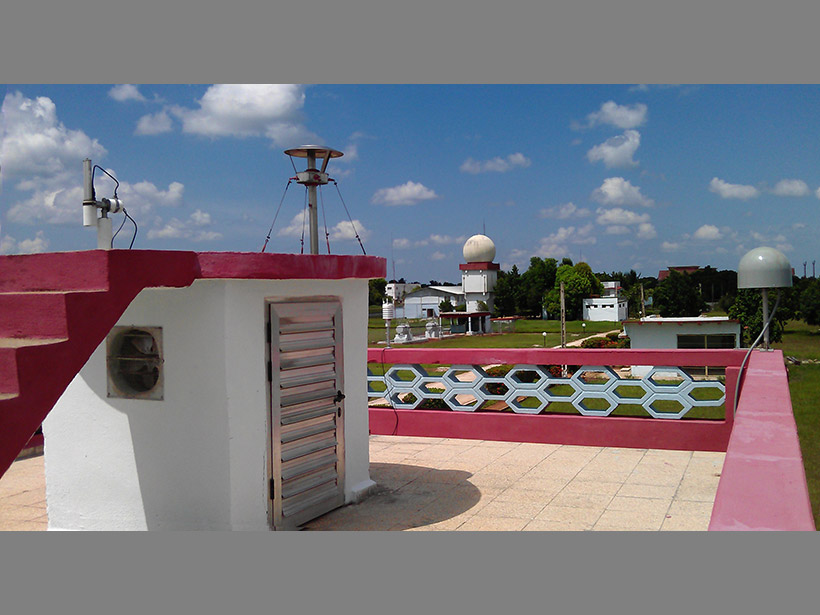
Norway and Cuba Evaluate Bilateral Climate Research Results
XCUBE Workshop; Camagüey, Cuba, 16–18 November 2015
Posted inResearch Spotlights
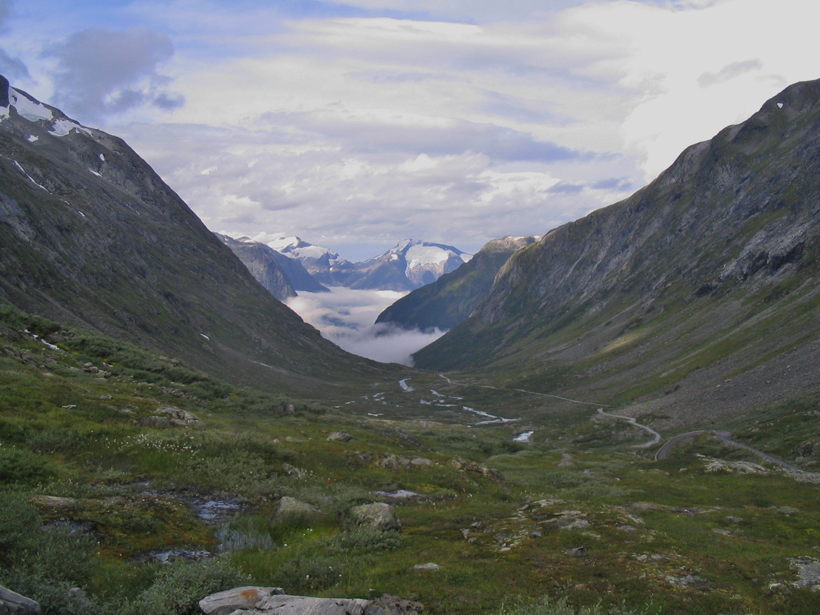
New Insights into the Formation of Old Norwegian Mountains
Researchers look to minerals in rocks from Norway's Western Gneiss Region to determine when the mountain-making period came to a close in the region.