
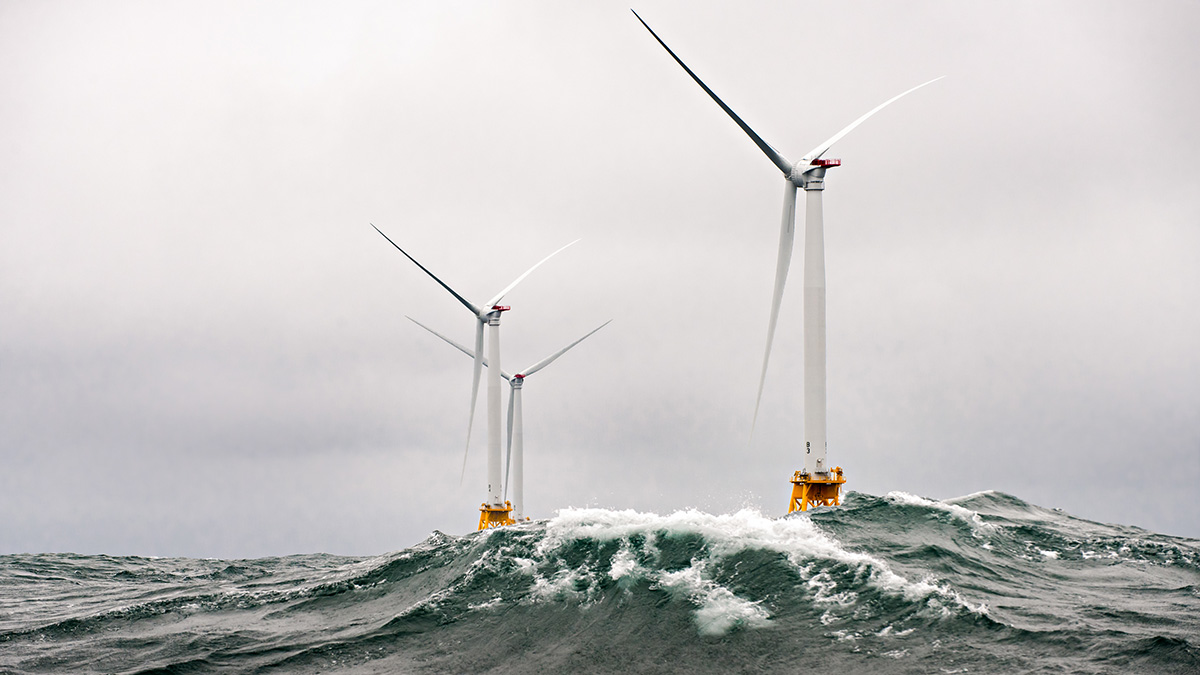

Deep coastal seabeds, glacial erratics, and other geophysical hurdles stand in the way of offshore wind farm proliferation. Researchers, engineers, and organizations are adapting and inventing ways to harness the breeze.
Oceans

Posted inEditors' Vox
Understanding Abrupt Climate Change in the Late Quaternary
During the late Quaternary period, a series of abrupt climate changes in the tropics and sub-tropics driven by changes in ocean circulation were both dramatic and disruptive.

Posted inResearch Spotlights
Current History: Exploring the Past of the Tasman Leakage

A new study sheds light on an important Pacific-to-Atlantic connecting current, including the global changes that led to its flowing that ushered in near-modern ocean circulation.
Posted inEditors' Highlights
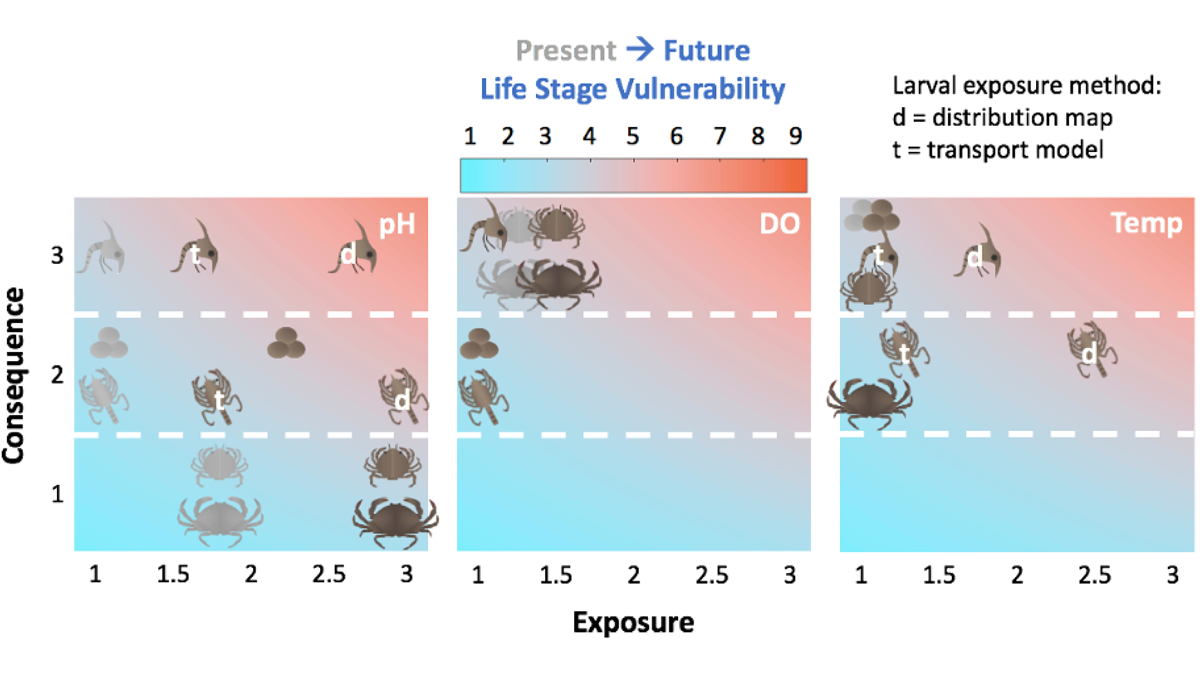
Dungeness Crab at Risk from Multiple Climate-Related Stressors
The lucrative Dungeness crab fishery is at risk because of the combined effects of projected climate-related habitat changes: lower oxygen, warming temperature, and increased acidity.

Posted inScience Updates
Forecasting Compound Floods in Complex Coastal Regions
Coastal communities face more frequent floods in which rain, rivers, and ocean storm surge combine forces. A reliable system that accurately predicts inundation from these events is urgently needed.
Posted inResearch Spotlights
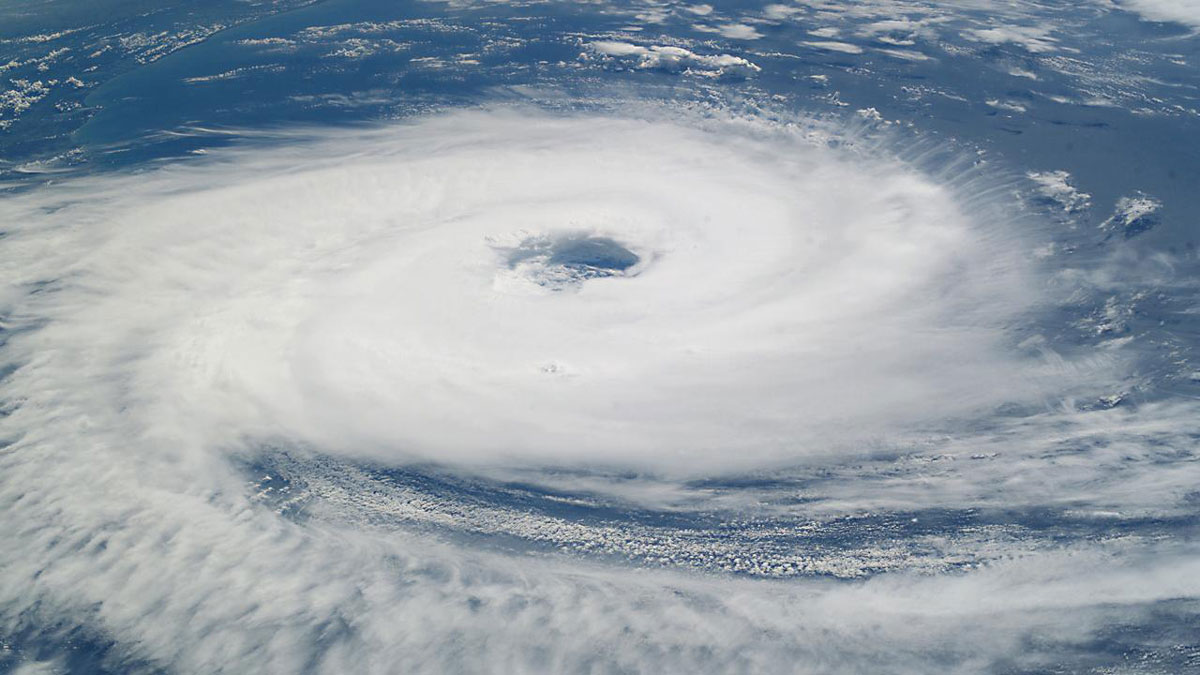
Cyclone “Seed” Survival Affects Hurricane Season Intensity

Understanding how seed storms grow into full-blown hurricanes and typhoons could help predict hurricane season intensity in a changing climate.

Posted inFeatures
The Benefits of Better Ocean Weather Forecasting
Improvements in our ability to forecast oceanic conditions weeks to months in advance will help communities, industries, and other groups prepare amid a changing climate.
Posted inFeatures
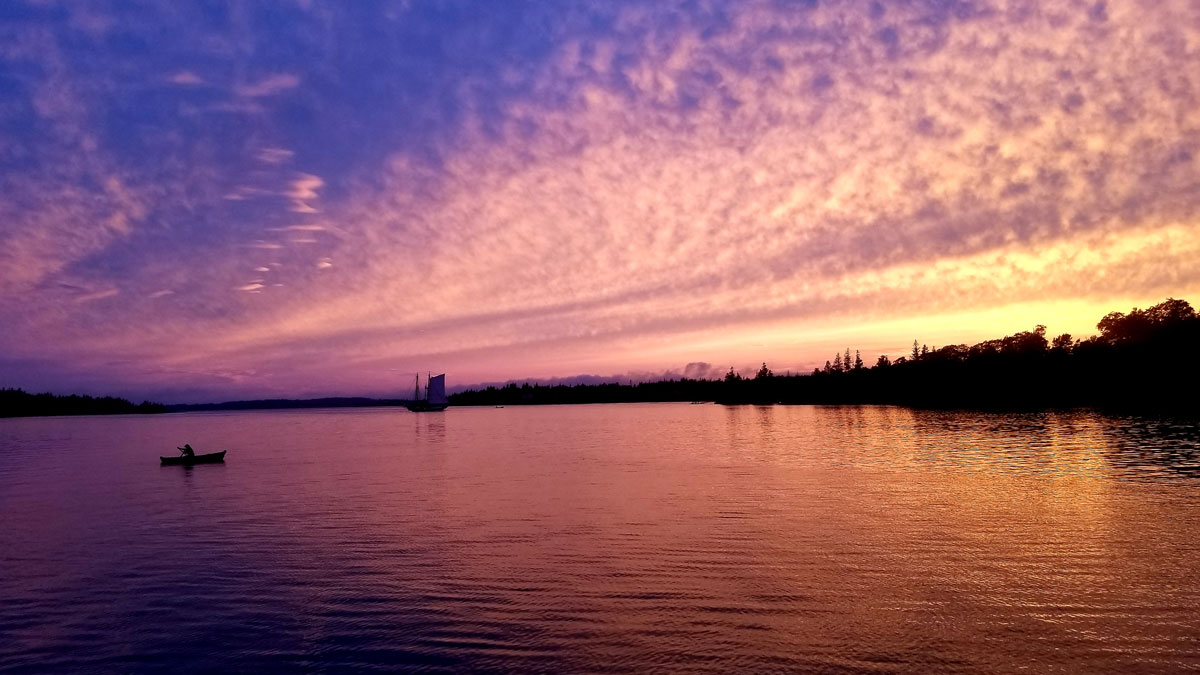
Windjamming on the Warming Gulf of Maine

Living in Geologic Time: A sailing venture reveals economic upheaval along Maine’s enduring coast.

Posted inNews
Kelp’s Carbon Sink Potential Could Be Blocked by Coastal Darkening
Coastal darkening, an environmental threat researchers are only beginning to study, is found to dramatically reduce the productivity of kelp.
Posted inENGAGE, Research Spotlights
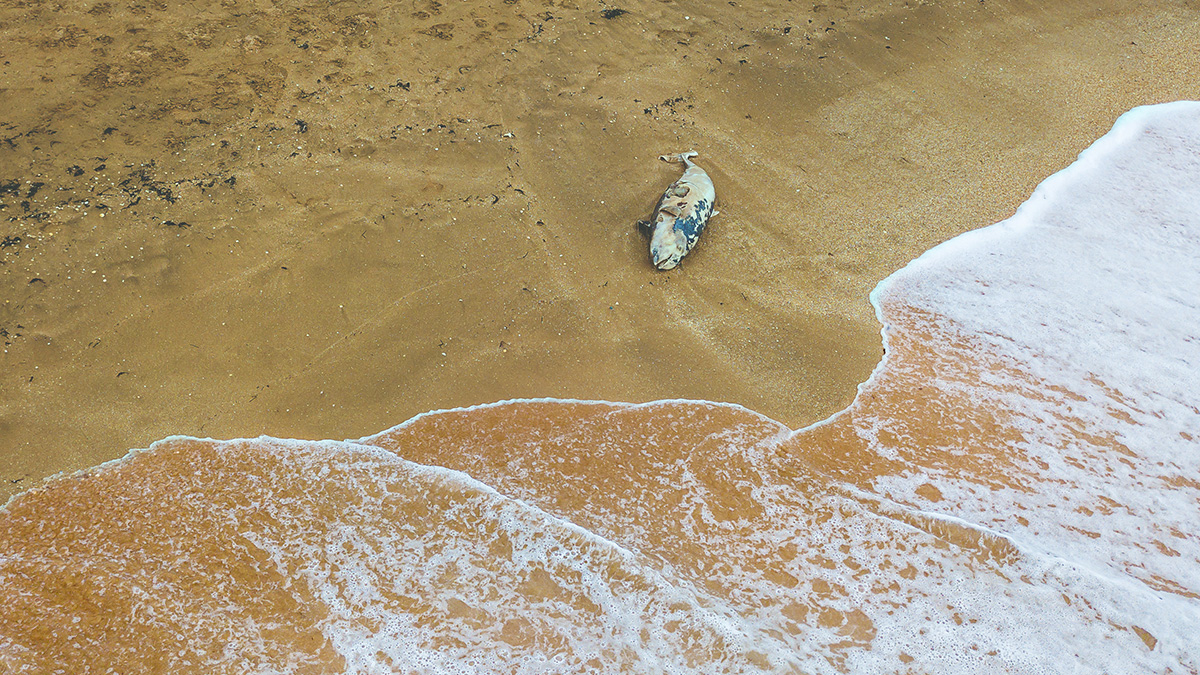
Wind and Ocean Currents May Contribute to Mass Dolphin Strandings
Coastal wind patterns correlate with mass strandings of dolphins, suggesting that storm-induced upwelling could be influencing cetaceans’ behavior.