• About
  • Special Reports
  • Topics
    • Climate
    • Earth Science
    • Oceans
    • Space & Planets
    • Health & Ecosystems
    • Culture & Policy
    • Education & Careers
    • Opinions
  • Projects
    • Postcards From the Field
    • ENGAGE
    • Editors’ Highlights
    • Editors’ Vox
    • Eos en Español
    • Eos 简体中文版
    • Print Archive: 2015–2025
  • Policy Tracker
  • Blogs
    • Research & Developments
    • The Landslide Blog
  • Newsletter
  • Submit to Eos
  • AGU.org
  • Career Center
  • Join AGU
  • Give to AGU
  • About
  • Special Reports
  • Topics
    • Climate
    • Earth Science
    • Oceans
    • Space & Planets
    • Health & Ecosystems
    • Culture & Policy
    • Education & Careers
    • Opinions
  • Projects
    • Postcards From the Field
    • ENGAGE
    • Editors’ Highlights
    • Editors’ Vox
    • Eos en Español
    • Eos 简体中文版
    • Print Archive: 2015–2025
  • Policy Tracker
  • Blogs
    • Research & Developments
    • The Landslide Blog
  • Newsletter
  • Submit to Eos
Skip to content
  • AGU.org
  • Career Center
  • Join AGU
  • Give to AGU
Eos

Eos

Science News by AGU

Support Eos
Sign Up for Newsletter
  • About
  • Special Reports
  • Topics
    • Climate
    • Earth Science
    • Oceans
    • Space & Planets
    • Health & Ecosystems
    • Culture & Policy
    • Education & Careers
    • Opinions
  • Projects
    • Postcards From the Field
    • ENGAGE
    • Editors’ Highlights
    • Editors’ Vox
    • Eos en Español
    • Eos 简体中文版
    • Print Archive: 2015–2025
  • Policy Tracker
  • Blogs
    • Research & Developments
    • The Landslide Blog
  • Newsletter
  • Submit to Eos

Oceans

Posted inScience Updates

Better Utilization of Marine Seismic Data

by James A. Austin Jr., N. Bangs and D. S. Sawyer 20 May 201518 November 2022

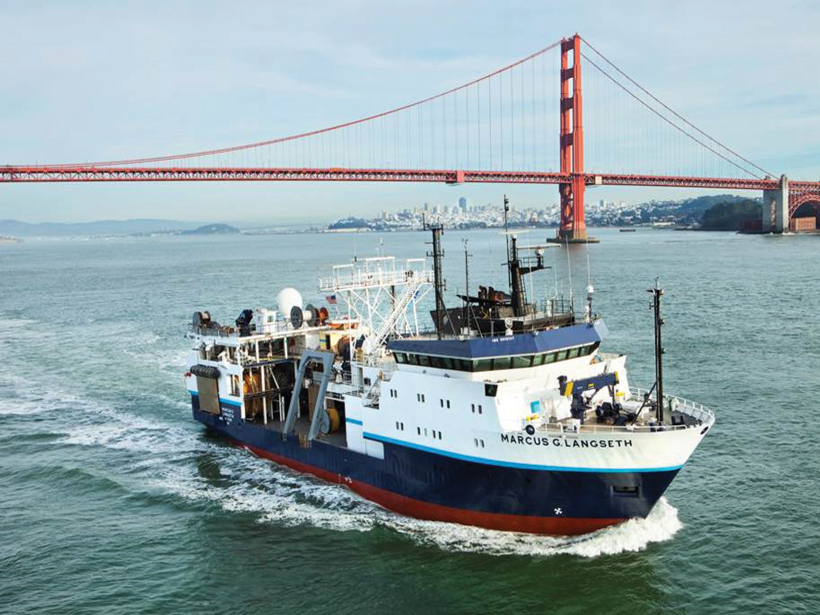
Increasing the Access to and the Relevance of Marine Seismic Data; San Francisco, California, 11–13 December 2014

Posted inNews

National Science Foundation to Rebalance Ocean Science Funding

by Randy Showstack 15 May 201518 October 2022

In its response to a National Research Council survey on ocean sciences, the National Science Foundation has endorsed recommendations calling for a budgetary course correction.
Posted inResearch Spotlights

Humans Greatly Increase Mercury Levels in the Ocean

by S. Palus 22 April 201525 August 2022

A study of the natural cycle of mercury reveals that humans are to blame for a five- to sixfold increase in the oceanic concentrations of the potentially toxic element.
Posted inResearch Spotlights

Conquering Uncertainties in Tropical Climate Forecasts

by E. Betz 17 April 20157 July 2025

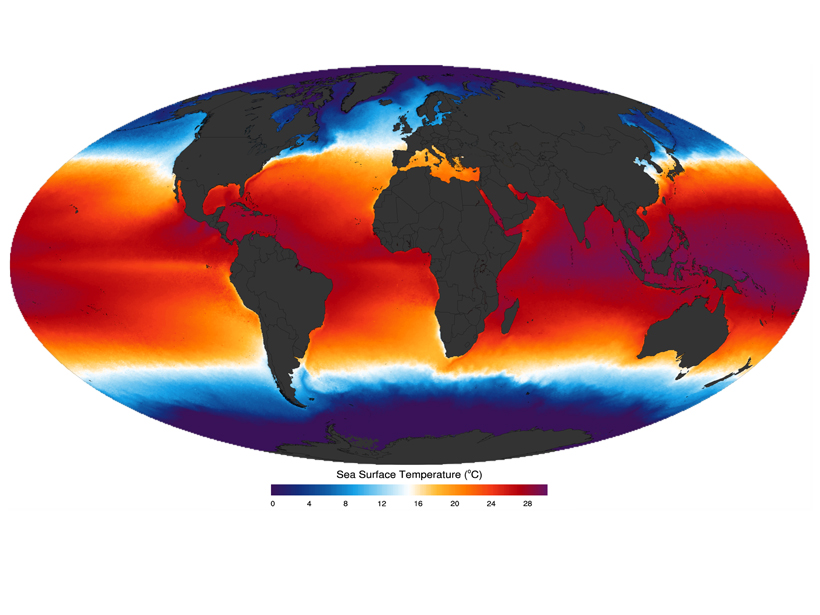
The key to better predictions of atmospheric temperature trends in the tropics may lie in more accurate measurements of sea surface temperatures.
Posted inOpinions

A Transformational Path Forward for the Ocean Sciences Community

by D. O. Conover and D. A. Bronk 26 March 201514 January 2022

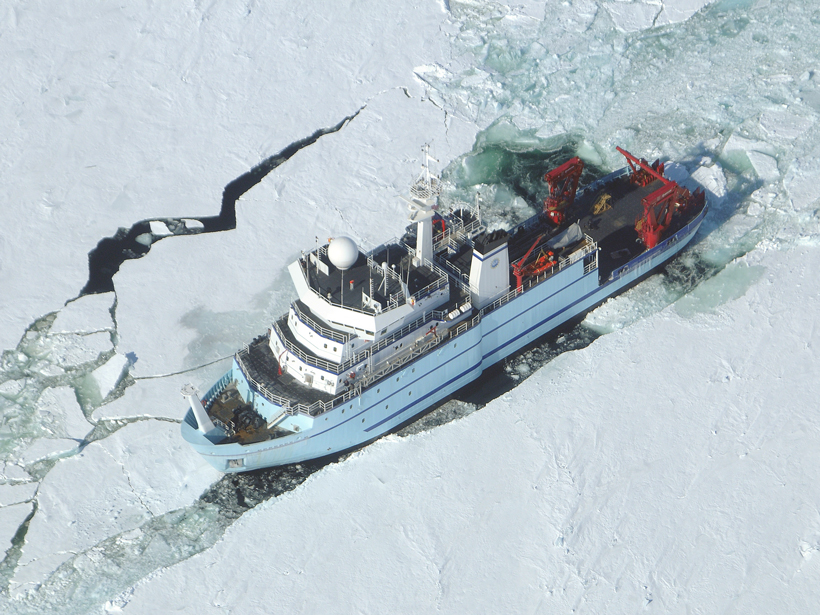
A new Decadal Survey of Ocean Sciences balances rising facilities costs with research needs. The ocean science community should unite behind the report's resounding central message.
Posted inScience Updates

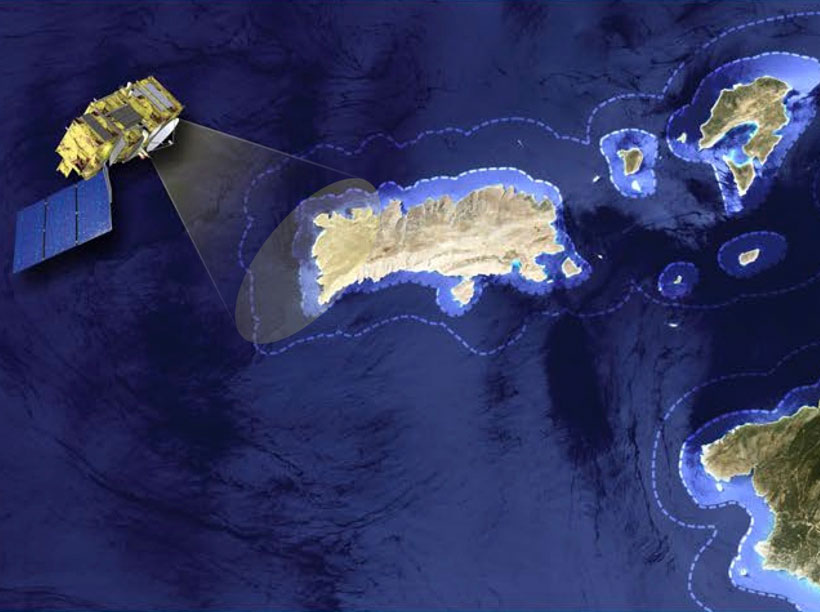
Coastal Altimetry Challenges Our Understanding of Short Scales in the Ocean

by P. Cipollini, S. Vignudelli and J. Benveniste 24 March 201522 March 2023

8th Coastal Altimetry Workshop; Konstanz, Germany, 23–24 October 2014

Posted inNews

United States to Chair Arctic Council at Challenging Time

by Randy Showstack 17 March 201528 February 2022

The proposed U.S. agenda during its chairmanship of the Arctic Council focuses on ocean safety, improving economic and living conditions, and climate change.

Posted inResearch Spotlights

Survey Shows Where Arctic Marine Bird Populations Thrive

by C. Minnehan 4 March 201514 January 2022

"Hot spots" of species richness currently include the Bering Sea, Lancaster Sound, Baffin Bay, and Davis Strait. Will this change as sea ice melts?

Posted inResearch Spotlights

Salish Sea a Key Source of Regional Marine Nutrients

by E. Betz 3 March 201516 February 2023

A new examination of nitrogen in the coastal waters off the Pacific Northwest shows that the Salish Sea delivers a large fraction of nutrients to shelf waters.
Posted inResearch Spotlights

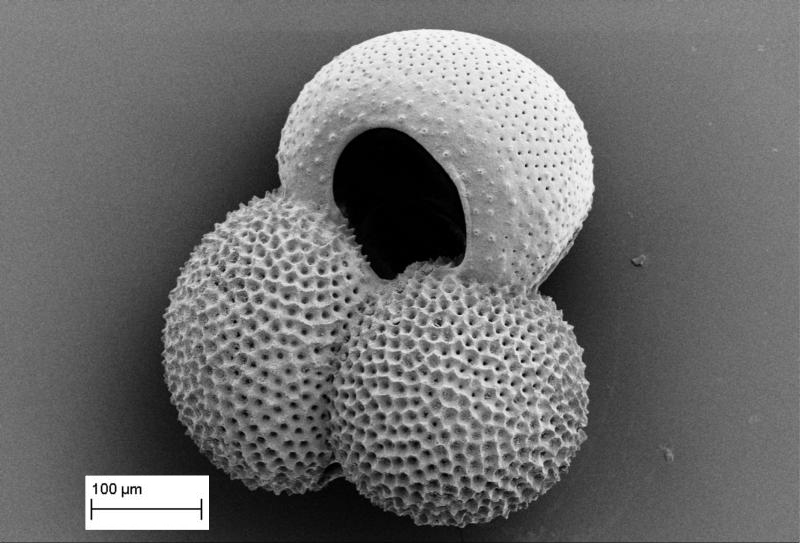
What Drove Sea Surface Temperature Change During the Pleistocene?

by J. Orwig 2 March 20153 July 2023

New information suggests that atmospheric carbon dioxide concentration was just one of the main drivers of warming sea surface temperatures in the Pleistocene.

Posts pagination

Newer posts 1 … 111 112 113 114 115 116 Older posts
Over a dark blue-green square appear the words Special Report: The State of the Science 1 Year On.

Features from AGU Publications

Research Spotlights

InSight into Seismology on the Red Planet

21 October 202621 October 2026
Editors' Highlights

The Geomagnetic Polarity Time Scale Revisited Once Again

22 October 202622 October 2026
Editors' Vox

Opening Access to Earth Observation Data for Disaster Mitigation

21 October 202620 October 2026
Eos logo at left; AGU logo at right

About Eos
ENGAGE
Awards
Contact

Advertise
Submit
Career Center
Sitemap

© 2026 American Geophysical Union. All rights reserved Powered by Newspack