

New research on Kiribati’s beleaguered atolls paints a complex picture of reef recovery.
Oceans
Posted inEditors' Highlights
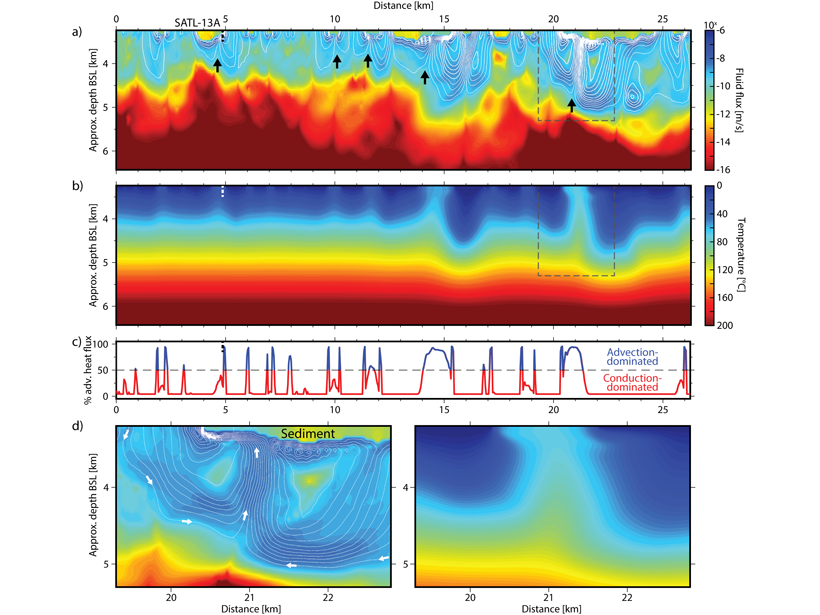
Mechanisms of Hydrothermal Ocean Plate Cooling Revealed
A combination of waveform tomography and hydrothermal modelling allows characterizing the mechanisms and reach of fluid flux and ocean plate cooling near mid-ocean ridges with unprecedented detail.
Posted inOpinions
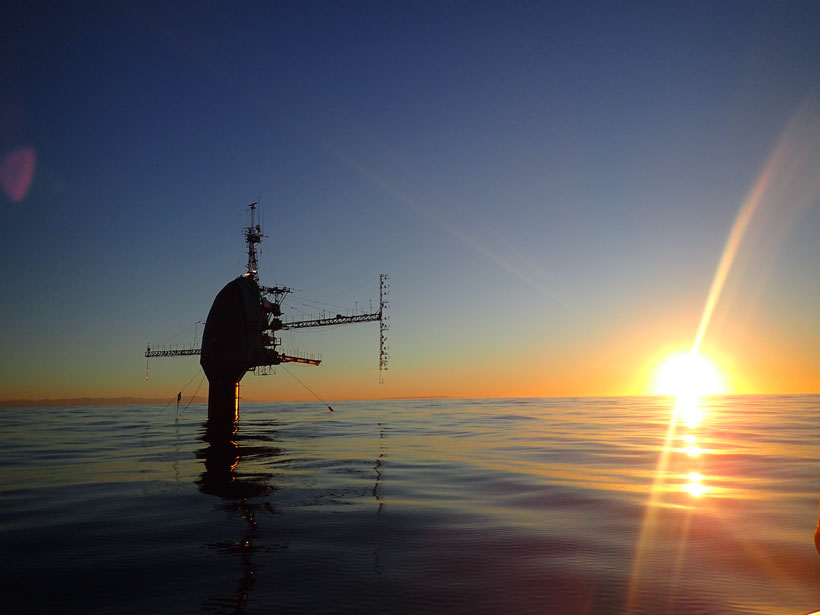
Remembering FLIP, an Engineering Marvel for Oceanic Research
Since the 1960s, the Floating Instrument Platform has bobbed at the sea surface, supporting numerous discoveries. One scientist recalls his time aboard FLIP during what was likely its final mission.

Posted inENGAGE, Science Updates
Cormorants Are Helping Characterize Coastal Ocean Environments
The Cormorant Oceanography Project is using sensors deployed on diving marine birds to collect broadly distributed oceanographic data in coastal regions around the world.

Posted inENGAGE, News
Small Climate Changes Could Be Magnified by Natural Processes

A new study uses modeling techniques to uncover how small incidents of warming may be turned into hyperthermal events lasting thousands of years.
Posted inEditors' Highlights
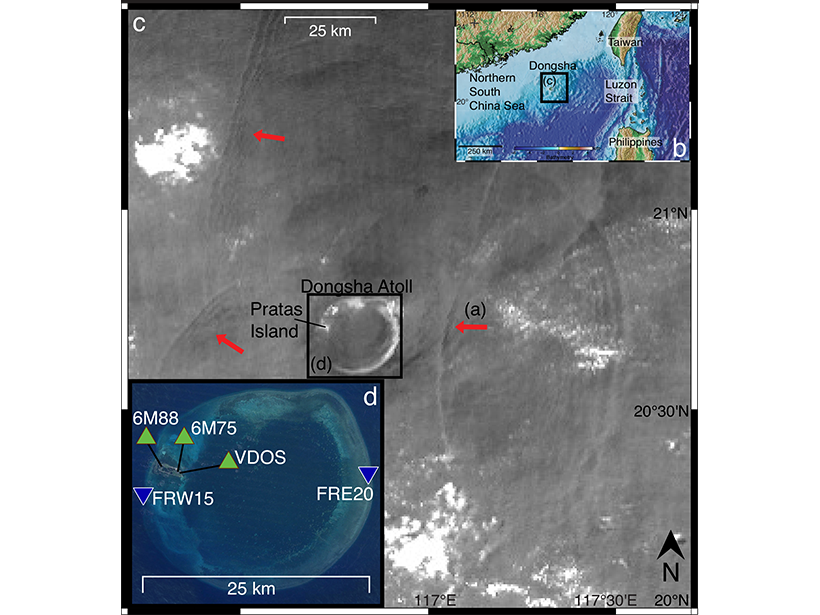
Atoll Seismometer Detection of Solitary Ocean Waves
Seismic recordings from the South China Sea indicate that subtle, daily tilting of shorelines due to passing internal ocean waves can be measured on land, promising new constraints on ocean dynamics.

Posted inNews
Satellites Allow Scientists to Dive into Milky Seas

Satellites may finally be able to report the fleeting phenomena of milky seas in near-real time, allowing researchers to potentially study an ocean mystery that has survived more than 2 centuries.
Posted inResearch Spotlights
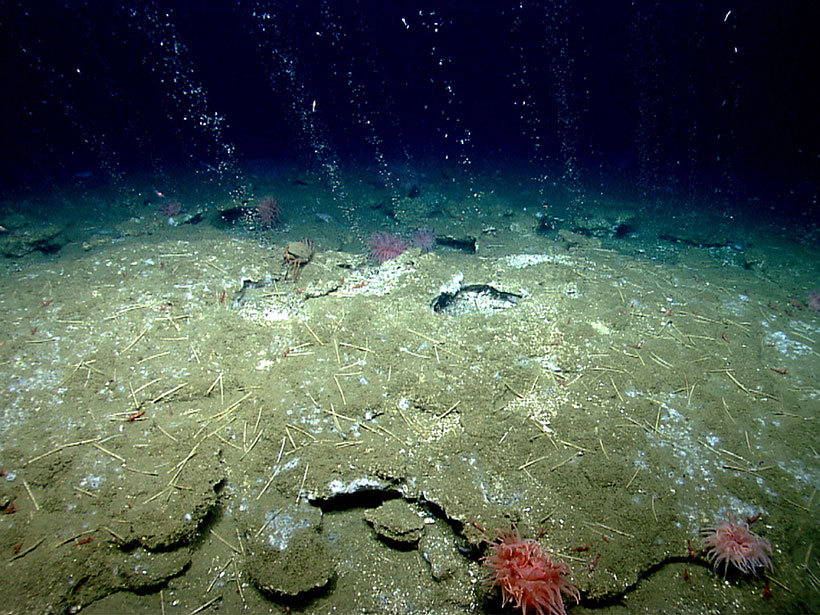
Does the Priming Effect Happen Underwater? It’s Complicated
A new meta-analysis finds evidence that adding fresh organic material can increase decomposition rates, but when and why that happens remain unclear.
Posted inResearch Spotlights
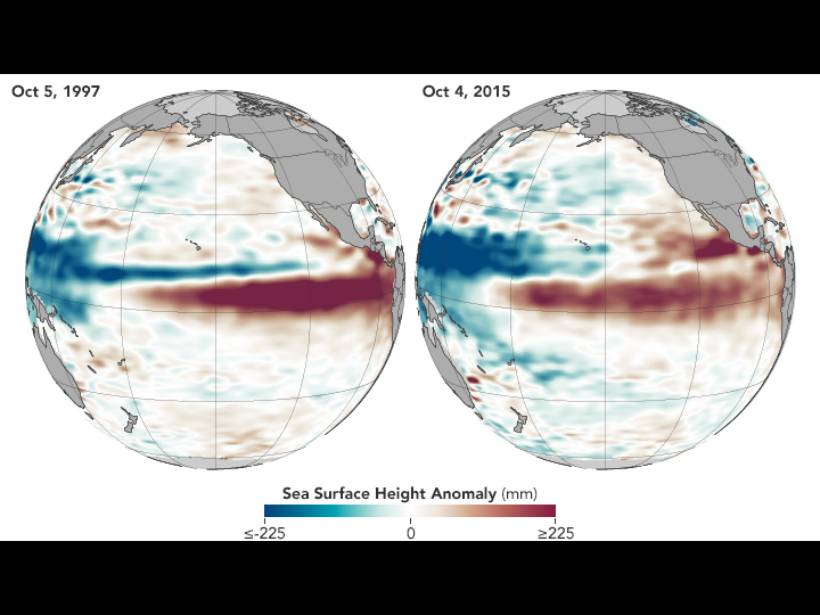
Explaining Thermal Tides in the Upper Atmosphere During the 2015 El Niño
Increased tropospheric heating and reduced dissipation combine to explain an anomalously large thermal tide.
Posted inFeatures
Zdenka Willis: Sailing into a High-Tech Future

Finding the roots of responsibility and outreach in the military.