

The AGU journal Perspectives of Earth and Space Scientists is changing its aims and scope, removing its by-invitation requirement and adding several new community-serving article formats.
open science

Posted inEditors' Vox
Earth and Space Science Open Archive Takes a Big Step Forward
The ESS Open Archive is moving to a new publishing platform where it will continue to accelerate the open discovery of Earth and space science research.

Posted inOpinions
Credit Where Credit Is Due
Promoting open, inclusive, transparent, and traceable science requires that scientists revamp the ways in which we acknowledge all manner of contributions to research.

Posted inNews
Open and Fair Data in Tropical Forests

People who gather ground data on tropical forests are highly disadvantaged compared to the users of such data. A new paper suggests long-term collaborations as a path forward.

Posted inScience Updates
A Sharper Look at the World’s Rivers and Catchments
Digital hydrographic maps have transformed global environmental studies and resource management. A major database update will provide even clearer and more complete views of Earth’s waterways.

Posted inENGAGE, News
Could AI Be Useful for Arctic Communities Facing Sea Ice Loss?
The forecasting tool IceNet promises to be a useful tool for evaluating sea ice loss in the Arctic. But ethical and logistic considerations have to be taken before scientific and Indigenous communities start working together.
Posted inEditors' Vox
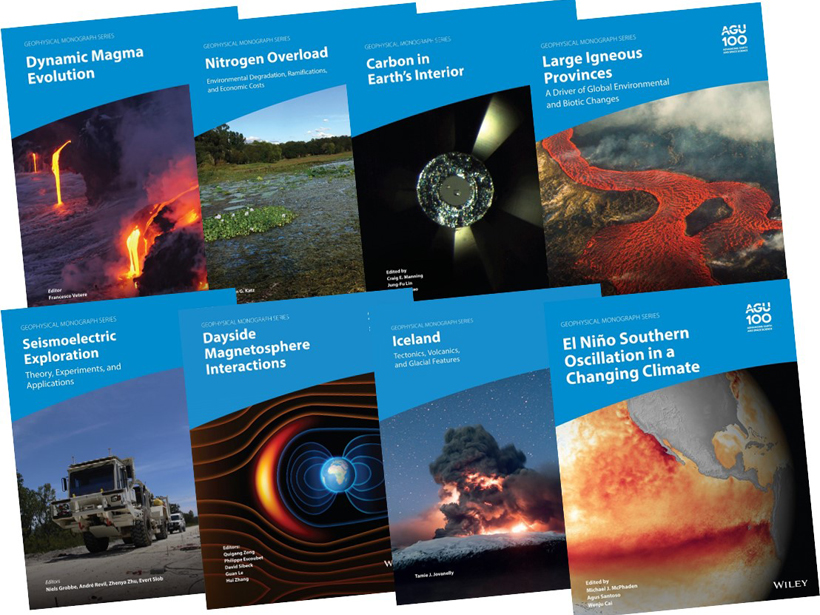
Exciting New Developments for AGU Books Program
Alongside publication of new books on a broad range of Earth and space science topics, AGU published its first open access books in 2020 and appointed a new Editorial Board.
Posted inNews
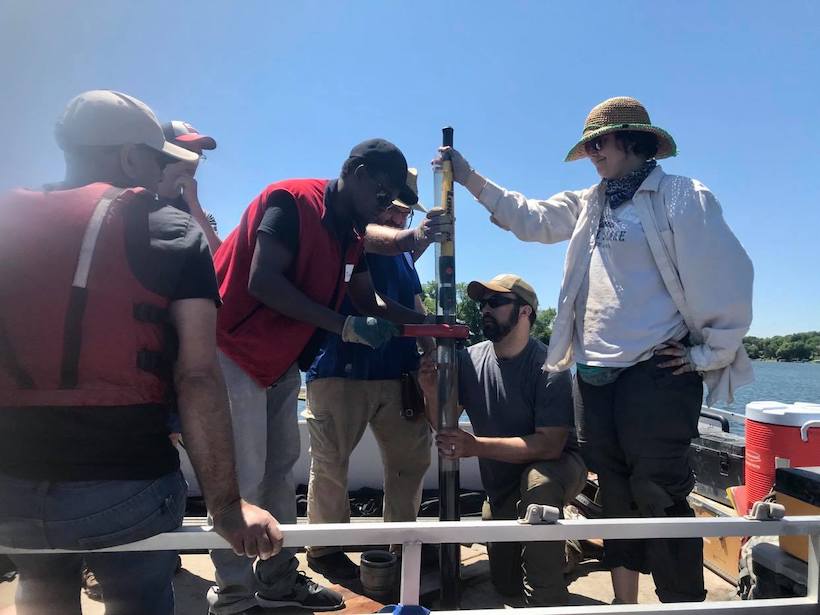
Why Aren’t There More Journal Papers by African Geoscientists?
Africa is a geoscientist’s dream. But new research shows that less than 4% of the world’s high-impact geoscience papers focus on Africa, and few of those have even one African author.
Posted inScience Updates
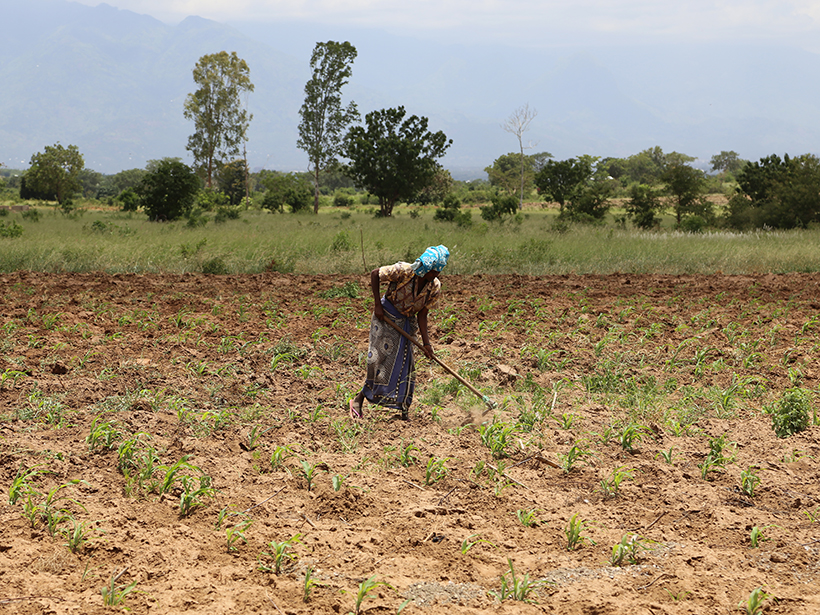
Sowing Seeds of Food Security in Africa
An innovative program focused on collaboration and capacity building is looking to improve outcomes for smallholder farmers, reduce hunger, and alleviate food insecurity in sub-Saharan Africa.

Posted inOpinions
Disseminating Scientific Results in the Age of Rapid Communication
Modernizing the peer review process and clarifying how to use and understand open data are two essential ways to make sure our science is accurate and accurately presented.