• About
  • Special Reports
  • Topics
    • Climate
    • Earth Science
    • Oceans
    • Space & Planets
    • Health & Ecosystems
    • Culture & Policy
    • Education & Careers
    • Opinions
  • Projects
    • Postcards From the Field
    • ENGAGE
    • Editors’ Highlights
    • Editors’ Vox
    • Eos en Español
    • Eos 简体中文版
    • Print Archive: 2015–2025
  • Policy Tracker
  • Blogs
    • Research & Developments
    • The Landslide Blog
  • Newsletter
  • Submit to Eos
  • AGU.org
  • Career Center
  • Join AGU
  • Give to AGU
  • About
  • Special Reports
  • Topics
    • Climate
    • Earth Science
    • Oceans
    • Space & Planets
    • Health & Ecosystems
    • Culture & Policy
    • Education & Careers
    • Opinions
  • Projects
    • Postcards From the Field
    • ENGAGE
    • Editors’ Highlights
    • Editors’ Vox
    • Eos en Español
    • Eos 简体中文版
    • Print Archive: 2015–2025
  • Policy Tracker
  • Blogs
    • Research & Developments
    • The Landslide Blog
  • Newsletter
  • Submit to Eos
Skip to content
  • AGU.org
  • Career Center
  • Join AGU
  • Give to AGU
Eos

Eos

Science News by AGU

Support Eos
Sign Up for Newsletter
  • About
  • Special Reports
  • Topics
    • Climate
    • Earth Science
    • Oceans
    • Space & Planets
    • Health & Ecosystems
    • Culture & Policy
    • Education & Careers
    • Opinions
  • Projects
    • Postcards From the Field
    • ENGAGE
    • Editors’ Highlights
    • Editors’ Vox
    • Eos en Español
    • Eos 简体中文版
    • Print Archive: 2015–2025
  • Policy Tracker
  • Blogs
    • Research & Developments
    • The Landslide Blog
  • Newsletter
  • Submit to Eos

planetary atmospheres

Posted inResearch Spotlights

What’s Driving Titan’s Atmosphere?

by E. Betz 11 February 201522 March 2023

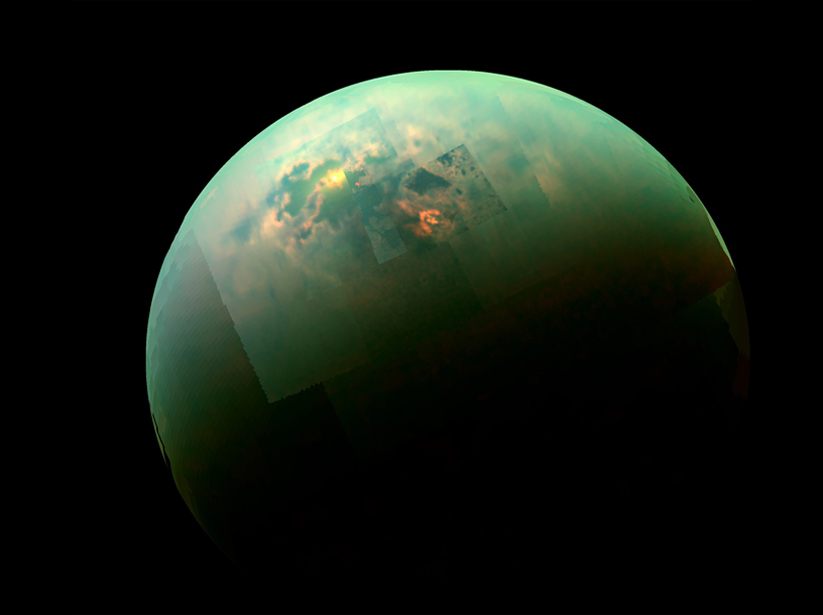
A new analysis of Cassini data reveals a major source of heavy hydrocarbons on Saturn’s moon Titan.

Posted inNews

MAVEN Unlocks Secrets of the Martian Atmosphere

by H. Leifert 16 December 201430 May 2023

In its first month, NASA’s orbiter saw effects of the solar wind at low altitude and tracked a plume of gases escaping into space
Posted inResearch Spotlights

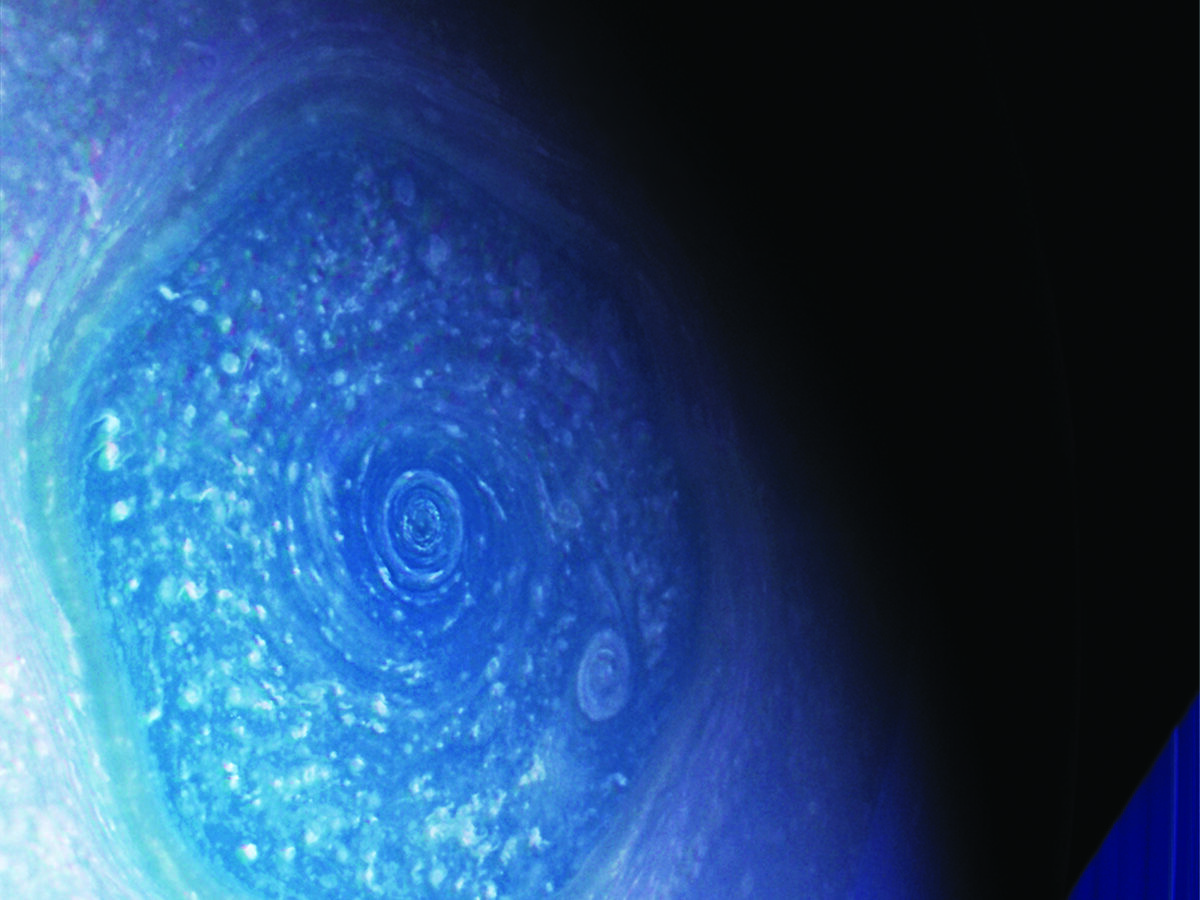
Polar Jet Stream Could Reveal Saturn's Rotational Period

JoAnna Wendel, freelance science writer and illustrator by JoAnna Wendel 10 June 201412 January 2022

Scientists determine the length of a day on Saturn with help from a mysterious atmospheric structure.

Posts pagination

Newer posts 1 … 6 7 8
Over a dark blue-green square appear the words Special Report: The State of the Science 1 Year On.

Features from AGU Publications

Research Spotlights

Students Enable Widespread Water Monitoring in India

20 July 202620 July 2026
Editors' Highlights

Redesigning Farmland Through Community Collaboration in California

22 July 202621 July 2026
Editors' Vox

Why Healthy Soils Matter More Than Ever

22 July 202622 July 2026
Eos logo at left; AGU logo at right

About Eos
ENGAGE
Awards
Contact

Advertise
Submit
Career Center
Sitemap

© 2026 American Geophysical Union. All rights reserved Powered by Newspack