

The most detailed simulations to date of how heat flows through Mars's interior are good news for the upcoming lander and will help scientists interpret its data.
planetary interiors
Posted inAGU News
Veronique Dehant Receives 2016 Charles A. Whitten Medal
Veronique Dehant was awarded the 2016 Charles A. Whitten Medal at the American Geophysical Union Fall Meeting Honors Ceremony, held on 14 December 2016 in San Francisco, Calif. The medal is for "outstanding achievement in research on the form and dynamics of the Earth and planets."

Posted inNews
Freezing Mars's Core—in the Lab
Mars's core, widely thought to be at least partially molten, may eventually solidify completely, and researchers have turned to lab experiments to find out how.
Posted inAGU News
Lau and O'Rourke Receive 2016 Study of the Earth's Deep Interior Focus Group Graduate Research Award
Harriet Lau and Joseph O'Rourke will receive the 2016 Study of the Earth's Deep Interior Focus Group Graduate Research Award at the 2016 American Geophysical Union Fall Meeting, to be held 12–16 December in San Francisco, Calif. This award is given annually for advances that contribute to the understanding of the deep interior of the Earth or other planetary bodies using a broad range of observational, experimental, and/or theoretical approaches.

Posted inNews
Delayed Launch Approved for Next Mars Mission

NASA has set a new 2018 launch date for a spacecraft to probe the Red Planet's interior, after instrument failure hobbled preparations for the mission.
Posted inNews
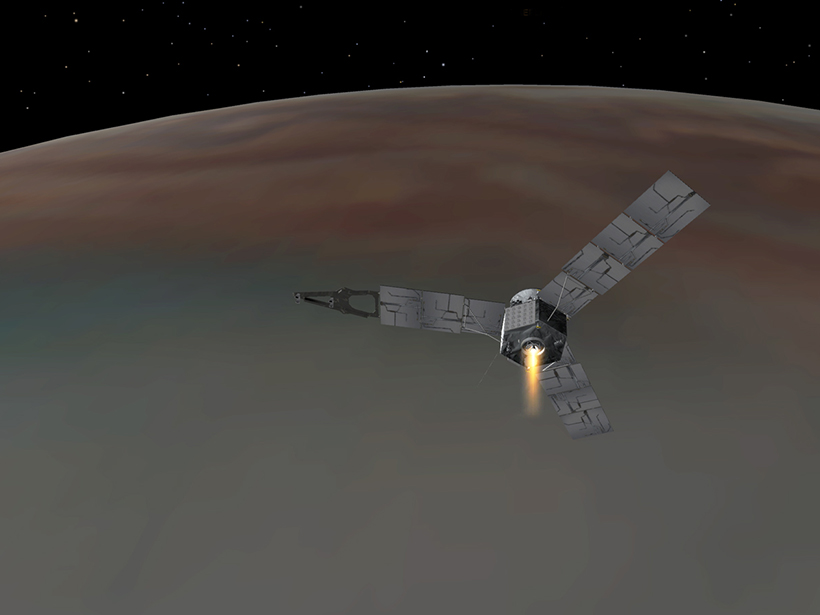
Juno Spacecraft Nails Its Orbit Around Jupiter

The mission will spend 20 months collecting data on the planet's core, its magnetic field, and the composition of its atmosphere.
Posted inResearch Spotlights
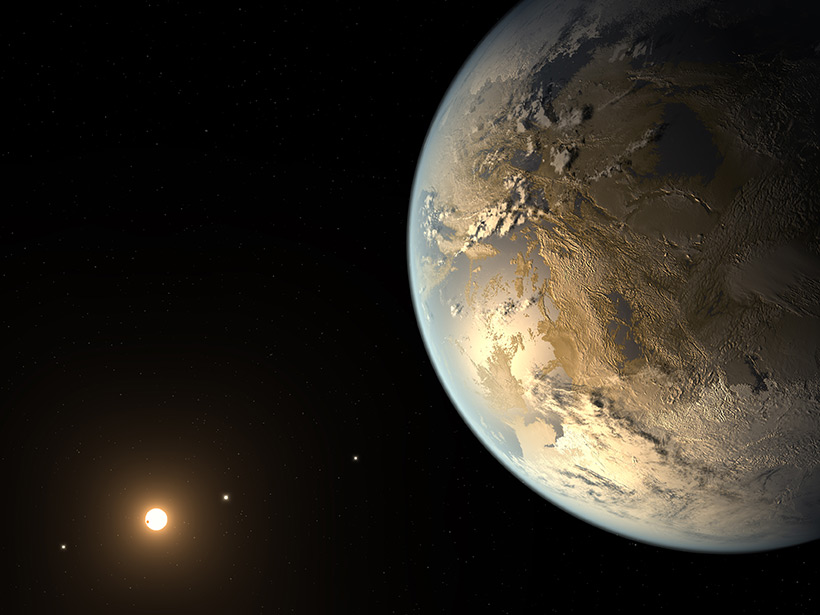
Becoming Habitable in the Habitable Zone

Scientists explore how interactions between a rocky planet's climate, mantle, and core can affect its evolution and determine whether it could sustain life.
Posted inNews
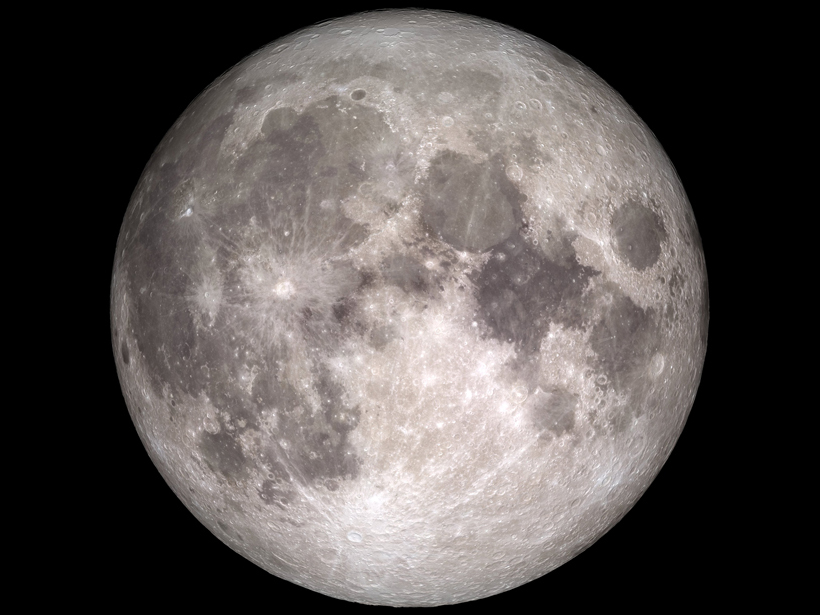
Interior Water Not Ruled Out for Our Moon, Lab Tests Suggest
The experiments mimicked cooling of magma at the lunar surface. They found that any water in interior molten rock might have escaped so fast at the surface that none was left to be measured.
Posted inAGU News
Fischer and Geballe Receive 2014 Mineral and Rock Physics Graduate Research Awards
Rebecca Fischer and Zack Geballe have been awarded the 2014 Mineral and Rock Physics Graduate Research Award. This award is given to one or more promising young scientists in recognition of outstanding contributions achieved during their Ph.D. research.

Posted inScience Updates
Volatiles in Mars: Constraints, Questions, and Future Directions
Workshop on Volatiles in the Martian Interior; Houston, Texas, 3–4 November 2014