

NASA is updating how it designs and implements Earth science missions to ensure their data and science reach users and decisionmakers faster and more effectively.
science policy
Posted inEditors' Vox
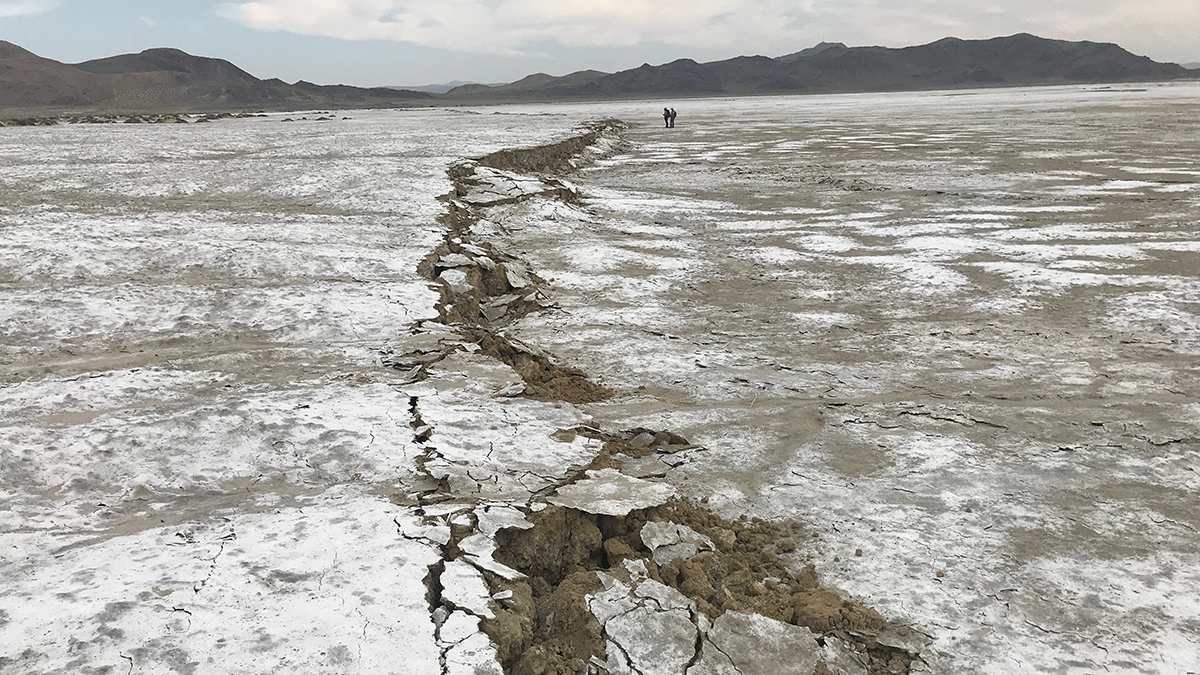
Operational Earthquake Forecasting – What Is It and How Is It Done?
While earthquakes cannot be deterministically predicted, operational earthquake forecasting systems can provide valuable insights into the likelihood of future quakes.

Posted inResearch Spotlights
The Role of Community Conversation in Improving Air Quality

Collaboration between academic researchers and environmental justice organizations is key to mitigating emissions.

Posted inNews
More Than Half of Contiguous U.S. River Water Comes from Ephemeral Streams
The finding has potential implications for water regulations, which don’t currently cover these seasonal streams.

Posted inFeatures
Samantha Montano: Helping Communities Recover

A disasterologist has a passion for making emergency management systems more just and equitable.

Posted inNews
One Question About Climate, and Barely an Answer at Biden-Trump Debate
In this election cycle, stakes are high for the environment and the scientific community. You wouldn’t know that from the first presidential debate.

Posted inAGU News
Navigating the Rapid Rivers of Policy
Scientific data and shared commitments help define new approaches to water management and science communication.

Posted inResearch Spotlights
Expecting the Unexpected Could Help Us Prepare for Climate Extremes

A new paper argues that too little consideration of high-impact, low-likelihood events has left us unprepared for the worst of climate change.


Posted inScience Updates
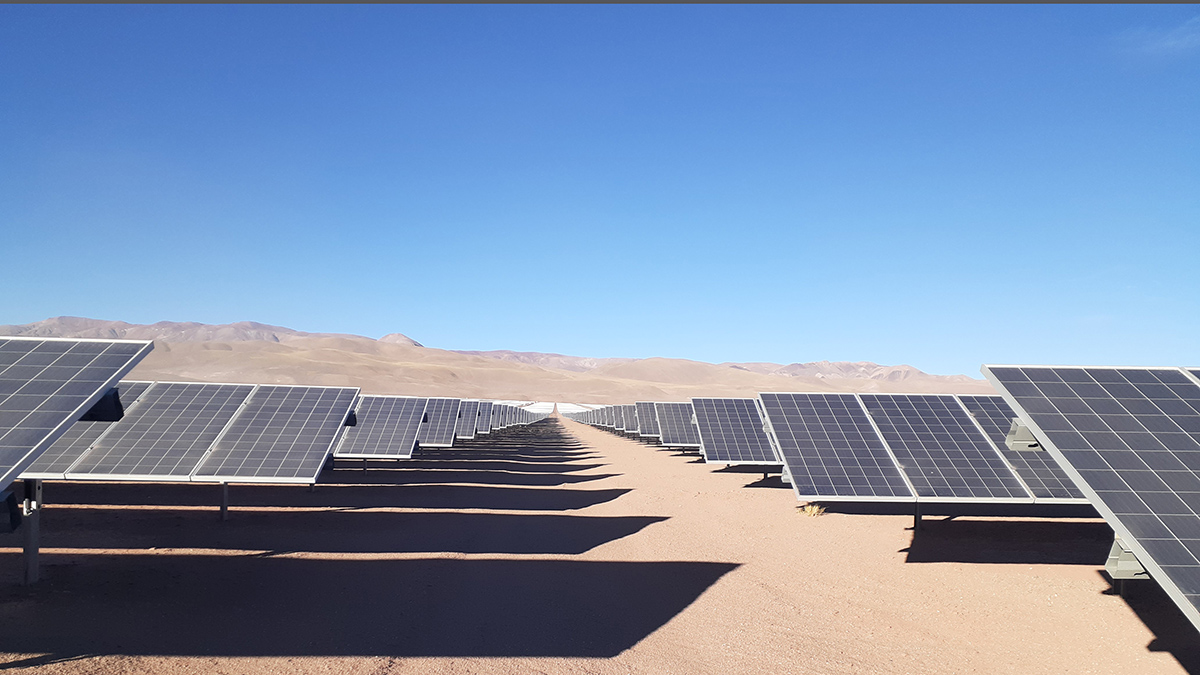
An Air Quality Model That Is Evolving with the Times
The pioneering Sulfur Transport and Deposition Model, initially designed to simulate atmospheric sulfur, continues to find new applications and value in environmental science and policymaking.