


In October, Eos examines a pivotal point for a field of science that’s starting to make a name for itself.
science policy

Posted inFeatures
Critical Zone Science Comes of Age
The developing field, which unites Earth scientists to examine the planet’s surface as a single, unified entity, is unraveling the complex, interconnected processes that support life on Earth.

Posted inOpinions
Perspectives on Parenting While Researching (During a Pandemic)
Four Earth scientists and a psychologist reflect on balancing parenthood and professional careers in academia amid the COVID-19 pandemic.

Posted inNews
Youth Climate Movement Recalibrates
Sixteen children await a decision from the United Nations on whether their home nations have endangered their rights by not adequately responding to climate change.

Posted inGeoFIZZ
Communicating Science in Times of Pandemic
How can scientists use YouTube livestreams to help the public better understand scientific concepts?
Posted inNews
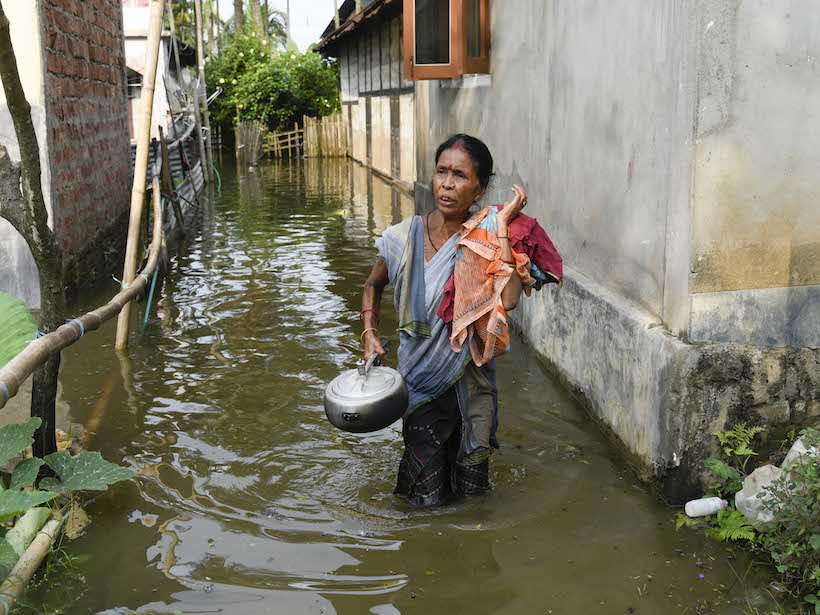
New Recommendations for a Proactive Flood Policy in India
As India grapples with devastating monsoon floods, a new review supports greater investment in nonstructural solutions.

Posted inNews
Scientists Support Local Activities to Rescue the Mesoamerican Reef
The reef’s report card analyzed 286 sites in Mexico, Belize, Guatemala, and Honduras. Communities, scientists, and governments are working to improve coral and ecosystem resilience.
Posted inNews
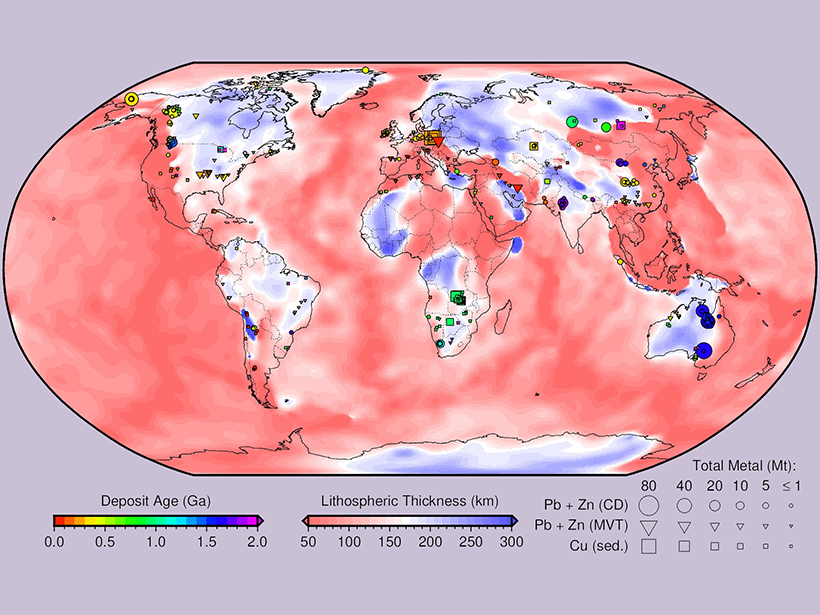
Cratons Mark the Spot for Mineral Bonanzas

A new map of the thickness of Earth’s lithosphere contains clues to large deposits of key metals.

Posted inAGU News
Every Vote Counts: Final Slate for 2020 AGU Elections

Voting is a right and a responsibility of membership, and your vote is important!

Posted inNews
East Africa Invests in Strategies to Manage E-Waste
As Uganda develops its e-waste policy, neighboring Rwanda establishes a broad-based plan involving incentives and high-tech facilities.