


The tiny fireball that flew over Japan in 2017 came from an asteroid that could threaten Earth in 10 million years or so. Scientists are trying to use these little meteors to hunt larger objects.
Space & Planets
Posted inNews
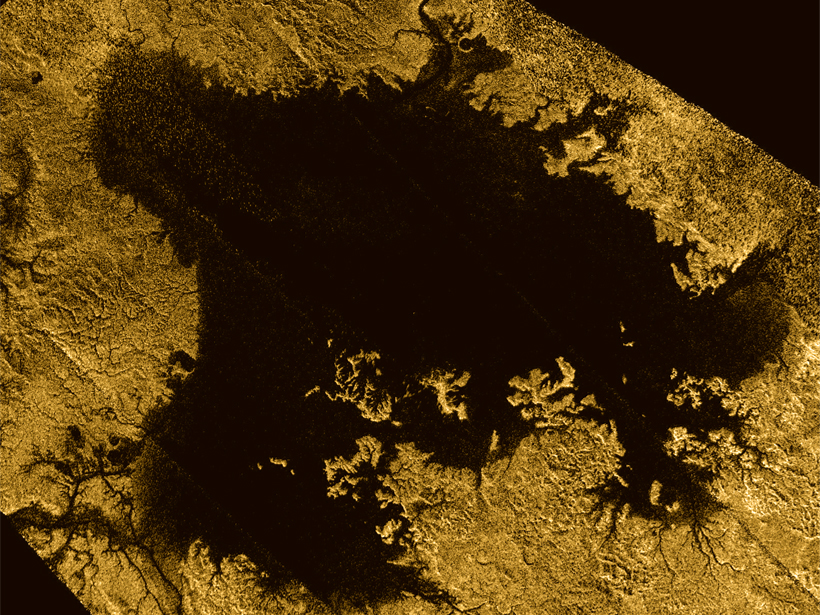
Scientists Search for Deltas on Saturn’s Largest Moon

Saturn’s moon Titan has rivers that empty into seas…but where are the deltas?

Posted inNews
Five Spitzer Discoveries About Solar Systems Near and Far

The powerful infrared space telescope is powering down after 16 years. It has revolutionized our understanding of solar systems, including hidden surprises in our own.

Posted inEditors' Highlights
Using Earth’s Atmosphere as a Solar Flare Monitor
Measurements of very-low frequency radio signal phase and amplitude can detect upper atmosphere changes caused by solar flares, enabling us to monitor flare occurrence and intensity.
Posted inNews
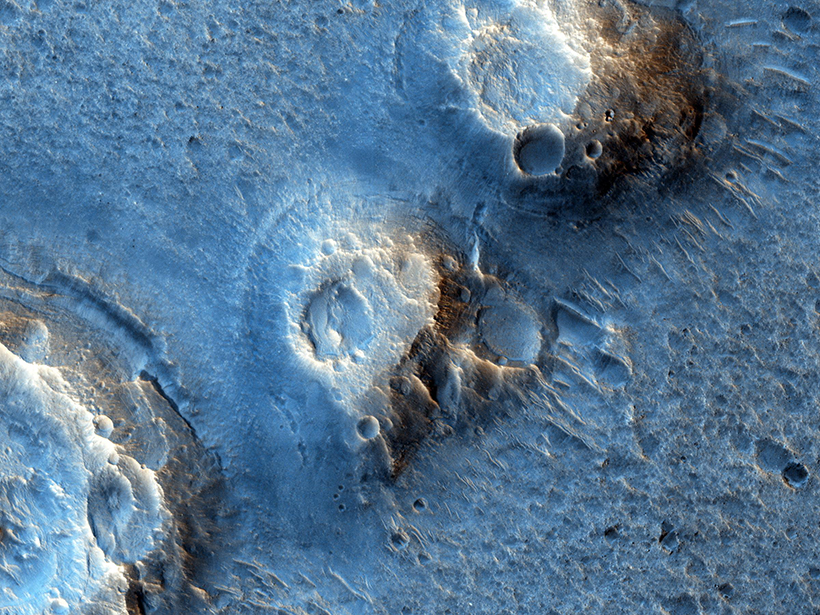
How Scientists Search for Martian Methane
Finding subsurface reserves of methane on Mars could revolutionize human space travel, but it won’t be an easy hunt.
Posted inNews
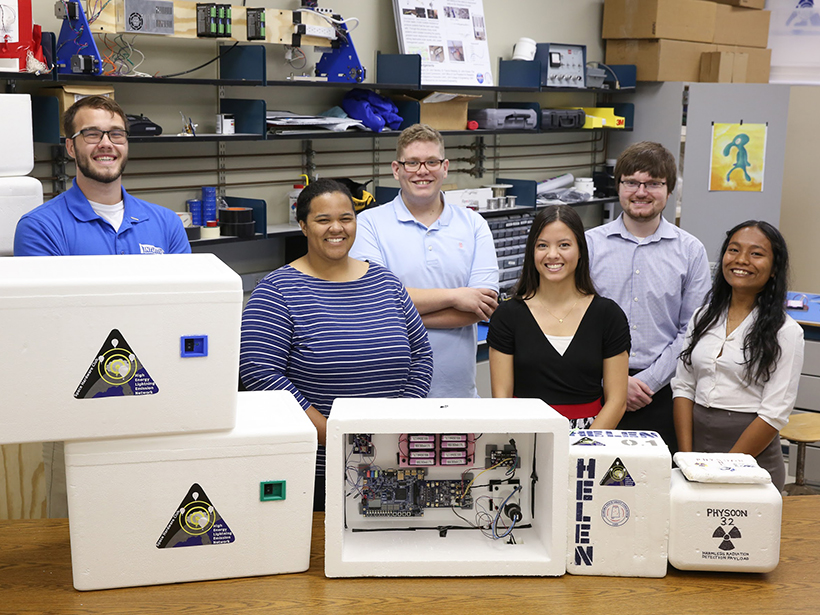
Students Launch Balloon-Borne Payloads into Thunderstorms

The High Energy Lightning Emission Network project hopes to detect elusive bursts of light and particles called terrestrial gamma ray flashes.

Posted inNews
Asteroids, Greta Thunberg, and Other Things That Make an Impact
What Earth and space science stories are we recommending this week?

Posted inGeoFIZZ
Big Science, Small Package: The Joys of Writing Science for Kids

Science writer Ilima Loomis, author of the new book Eclipse Chaser, shares her secrets for translating science speak for young audiences.
Posted inNews
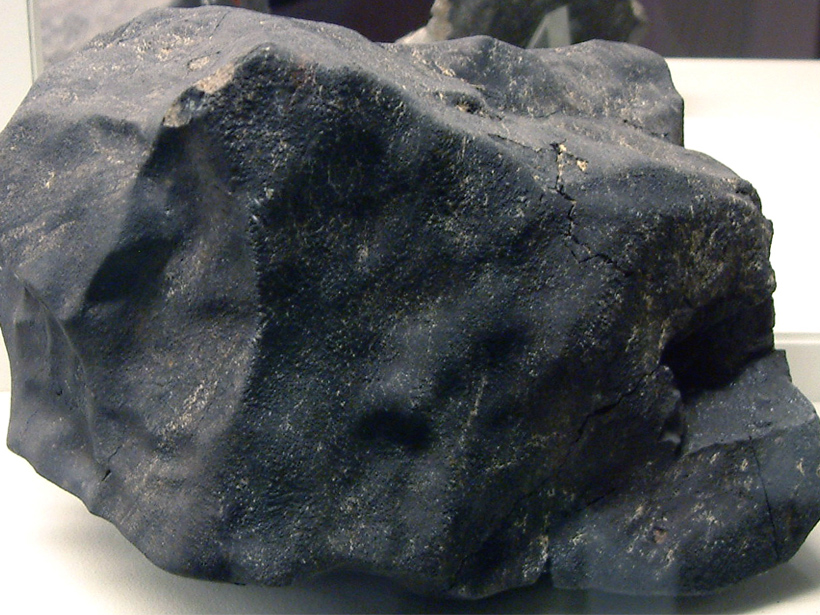
Dust Older Than the Sun Sheds Light on Galactic History
A small pile of dust grains older than the Sun brings new evidence about the rate at which stars are born in the Milky Way.