• About
  • Special Reports
  • Topics
    • Climate
    • Earth Science
    • Oceans
    • Space & Planets
    • Health & Ecosystems
    • Culture & Policy
    • Education & Careers
    • Opinions
  • Projects
    • Postcards From the Field
    • ENGAGE
    • Editors’ Highlights
    • Editors’ Vox
    • Eos en Español
    • Eos 简体中文版
    • Print Archive: 2015–2025
  • Policy Tracker
  • Blogs
    • Research & Developments
    • The Landslide Blog
  • Newsletter
  • Submit to Eos
  • AGU.org
  • Career Center
  • Join AGU
  • Give to AGU
  • About
  • Special Reports
  • Topics
    • Climate
    • Earth Science
    • Oceans
    • Space & Planets
    • Health & Ecosystems
    • Culture & Policy
    • Education & Careers
    • Opinions
  • Projects
    • Postcards From the Field
    • ENGAGE
    • Editors’ Highlights
    • Editors’ Vox
    • Eos en Español
    • Eos 简体中文版
    • Print Archive: 2015–2025
  • Policy Tracker
  • Blogs
    • Research & Developments
    • The Landslide Blog
  • Newsletter
  • Submit to Eos
Skip to content
  • AGU.org
  • Career Center
  • Join AGU
  • Give to AGU
Eos

Eos

Science News by AGU

Support Eos
Sign Up for Newsletter
  • About
  • Special Reports
  • Topics
    • Climate
    • Earth Science
    • Oceans
    • Space & Planets
    • Health & Ecosystems
    • Culture & Policy
    • Education & Careers
    • Opinions
  • Projects
    • Postcards From the Field
    • ENGAGE
    • Editors’ Highlights
    • Editors’ Vox
    • Eos en Español
    • Eos 简体中文版
    • Print Archive: 2015–2025
  • Policy Tracker
  • Blogs
    • Research & Developments
    • The Landslide Blog
  • Newsletter
  • Submit to Eos

Space & Planets

Researchers analyze space storms to better understand how the Van Allen belts lose particles.
Posted inResearch Spotlights

How Earth’s Outer Radiation Belts Lose Their Electrons

by E. Underwood 17 October 20174 May 2022

A new analysis of three space storms reveals the mechanisms of particle loss from the Van Allen belts.

Posted inEditors' Vox

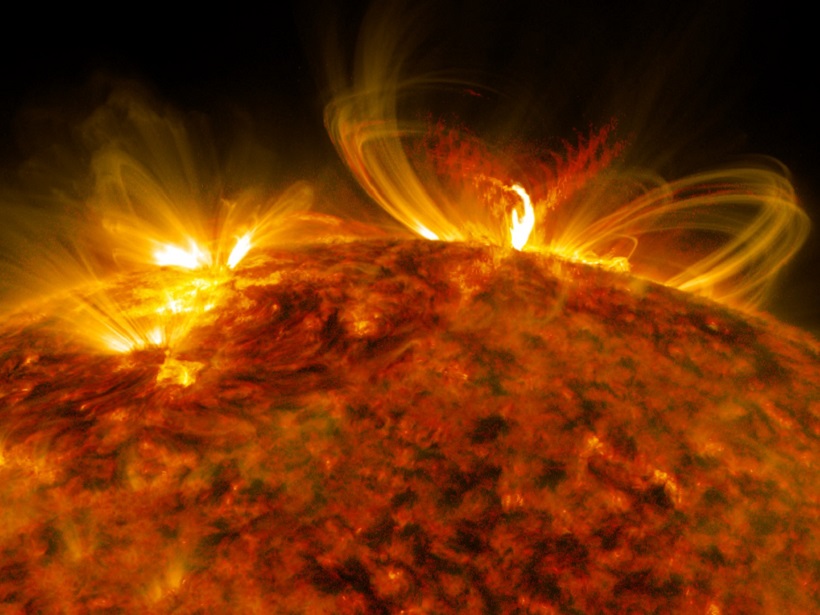
A Wake-up Call from the Sun

by Michael A. Hapgood 12 October 201710 March 2023

A sudden burst of activity from the Sun in early September 2017 caused a wide range of space weather effects at Earth.
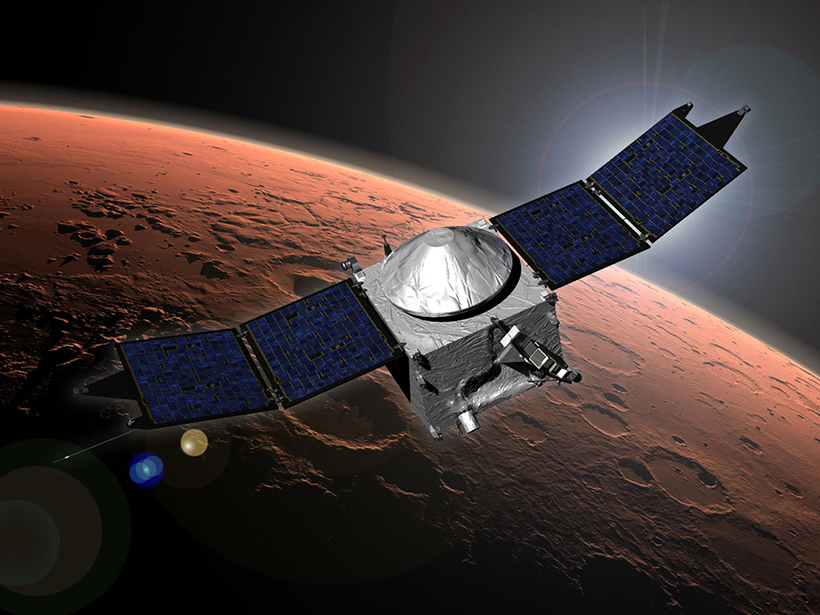
: Researchers examine the origins of plasma ropes in Mars’s magnetotail
Posted inResearch Spotlights

Angles of Plasma Ropes near Mars Point to Different Origins

Sarah Stanley, Science Writer by Sarah Stanley 11 October 20174 May 2022

Variation in the orientation of flux rope features in Mars’s magnetotail suggests that some of them form on the planet’s Sun-facing side and travel to the night side.

Researchers examine how Saturn’s magnetic field overlaps with that of the Sun.
Posted inResearch Spotlights

Probing the Cusps of Saturn’s Magnetic Field

by Mark Zastrow 10 October 201723 February 2023

Data from the Cassini spacecraft show that the cusp regions of Saturn’s magnetic field—where it connects to the Sun’s magnetic field—have similarities to Earth’s and also intriguing differences.
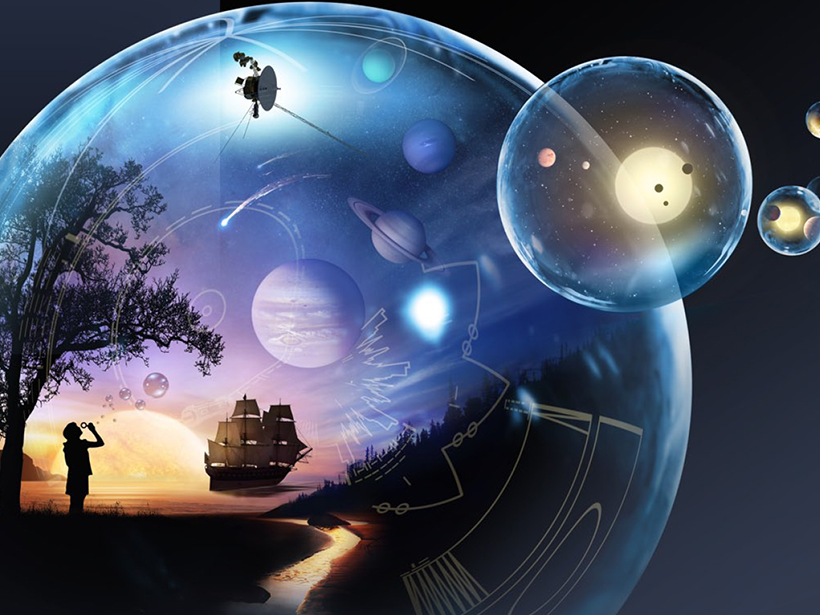
World Space Week: Voyager journey through solar bubble
Posted inFeatures

Ten New Frontiers in the Solar System and Beyond

JoAnna Wendel, freelance science writer and illustratorKimberly M. S. Cartier, News Writing and Production Intern for Eos.org by JoAnna Wendel and Kimberly M. S. Cartier 6 October 201724 October 2022

Humanity’s reach has extended from the surface of Earth to the very edge of our solar system, even to exoplanets far into space. What’s next in our journey into the unknown?

Posted inEditors' Vox

Choosing a Lunar Landing Site

by C. I. Fassett 5 October 201726 January 2022

A recent article in JGR: Planets described the geological characteristics of two candidate sites for the upcoming Chinese mission to the Moon.

View of Comet 67P
Posted inNews

More Discoveries in the Cards from Defunct Comet Mission

JoAnna Wendel, freelance science writer and illustrator by JoAnna Wendel 29 September 201719 July 2022

A year after the end of the Rosetta mission, the real scientific fun begins.
Posted inEditors' Vox

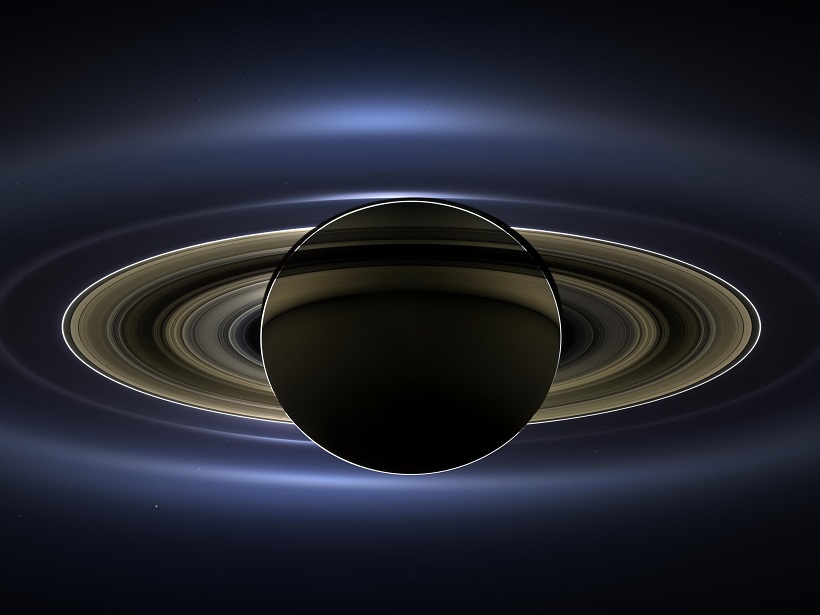
Cassini’s Legacy in Print

by Jenny Lunn, Michael W. Liemohn, Mark Moldwin and E. P. Turtle 20 September 201717 February 2023

With over 750 papers published in AGU journals based on Cassini-Huygens mission data, three editors select some of the most noteworthy.

Posted inNews

Pluto’s Features Receive First Official Names

Kimberly M. S. Cartier, News Writing and Production Intern for Eos.org by Kimberly M. S. Cartier 20 September 201718 April 2023

Names of mountains, plains, valleys, and craters honor human and technological pioneers, Pluto scientists, and underworld mythology from around the world.

Cassini orbiting Saturn
Posted inNews

Cassini Plunges into Saturn, Ends a 20-Year Mission

JoAnna Wendel, freelance science writer and illustrator by JoAnna Wendel 15 September 201711 January 2022

NASA’s Jet Propulsion Laboratory streamed the spacecraft’s final moments live, allowing the public to listen to the mission’s end.

Posts pagination

Newer posts 1 … 95 96 97 98 99 … 125 Older posts
Over a dark blue-green square appear the words Special Report: The State of the Science 1 Year On.

Features from AGU Publications

Research Spotlights

As Wildfires Increase in the West, So Does Suppression Spending

10 June 202610 June 2026
Editors' Highlights

Multi-Scale Fault Roughness Encapsulated in a Friction Law

11 June 202611 June 2026
Editors' Vox

Small-Scale Indian Ocean Dynamics Underpin Marine Ecology and Climate

4 June 20263 June 2026
Eos logo at left; AGU logo at right

About Eos
ENGAGE
Awards
Contact

Advertise
Submit
Career Center
Sitemap

© 2026 American Geophysical Union. All rights reserved Powered by Newspack