
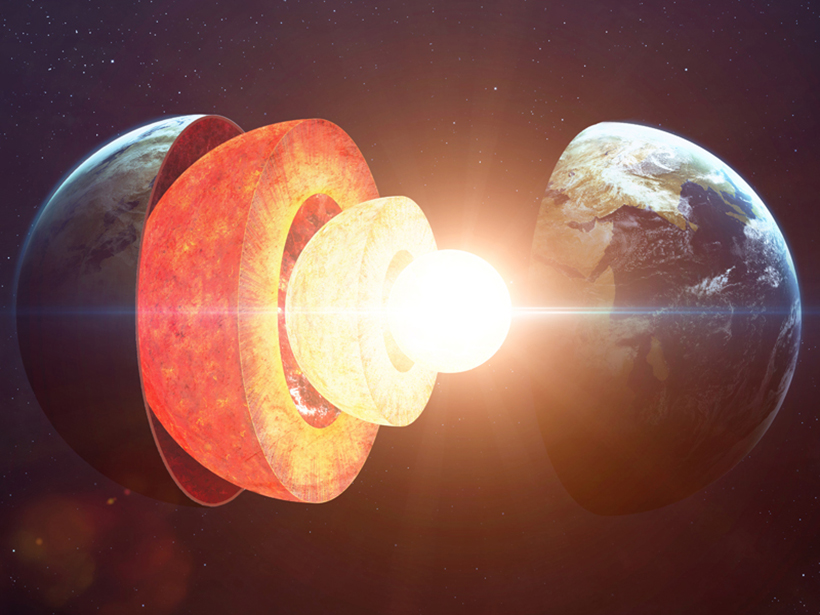

How do scientists look underground? Answering questions about Earth’s interior requires an attack from many angles.
transdisciplinary science

Posted inScience Updates
Preparing Graduate Students for 21st Century Climate Conversations
Graduate students at the University of Washington are becoming skilled in interdisciplinary climate science and finding opportunities to collaborate outside the academy.
Posted inScience Updates
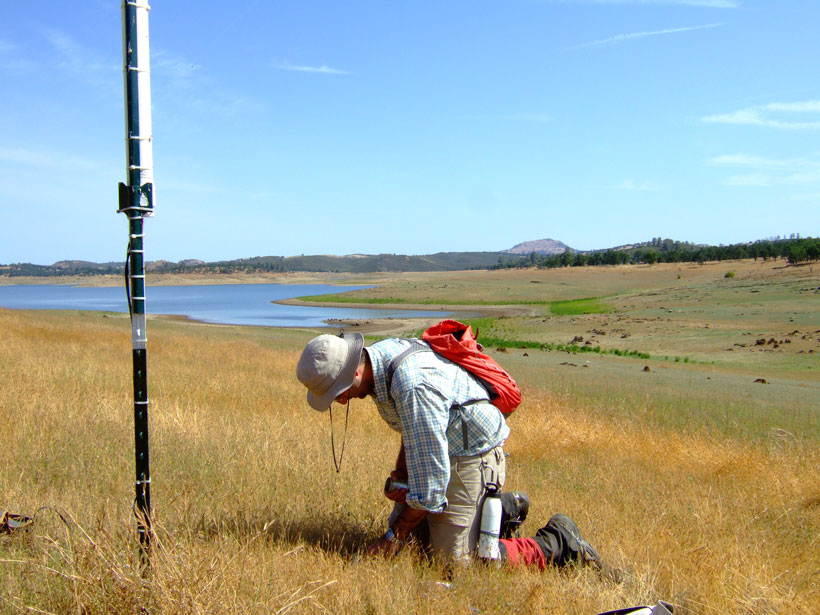
Soil Moisture Data Sets Become Fertile Ground for Applications
An integrated data platform harmonizes many disparate soil moisture data sets to better inform disaster response planners, climate scientists and meteorologists, farmers, and others.
Posted inScience Updates
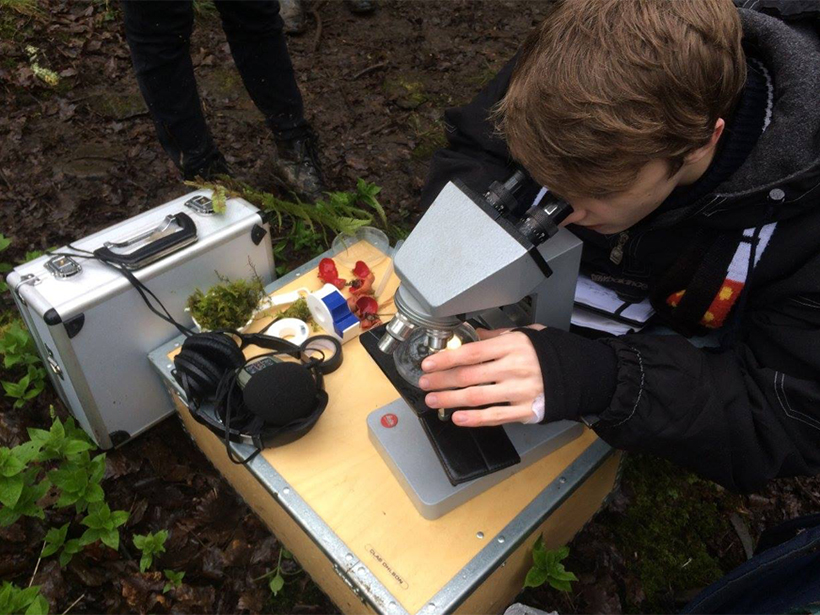
SciArt: Teaching Across the Interface
A new program brings undergraduates together to collaborate across disciplines and to see their respective fields with new eyes.

Posted inScience Updates
Climate Change and Sea Level Rise in the Mediterranean
1st National Workshop on Climate Change and Sea Level Rise in the Mediterranean; Rome, Italy, 5–6 July 2018
Posted inOpinions
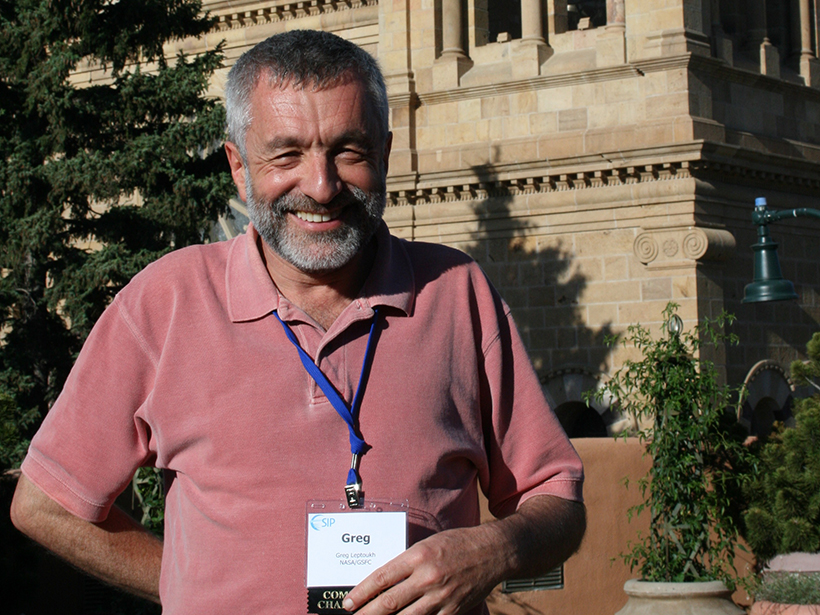
Recognizing an Architect of the Age of Informatics
A look back at the life of Greg Leptoukh, pioneer of informatics, and a look ahead to the field’s future through the annual lecture at AGU’s Fall Meeting 2018 dedicated to Leptoukh.

Posted inScience Updates
Facilitating Field-Scale Experiments in Volcano Hazards
Multidisciplinary Volcano Hazards Experiments at the Geohazards Field Station; Amherst and Springville, New York, 24–27 July 2018

Posted inEditors' Highlights
The ILAMB System for Benchmarking Land Surface Models
An evolving set of tools helps land surface model developers optimize the realism of their parameterizations for the next generation of weather and climate models.

Posted inAGU News
AGU-Led National Study: Citizen Science Can Aid Science Learning

Improved design of citizen science projects in which nonscientists and scientists collaborate can boost the amount of science learning by nonscientists and communities.

Posted inScience Updates
Exploring the Unknown of the Ross Sea in Sea Ice–Free Conditions
A team of polar scientists aboard the OGS Explora, cruising in rare ice-free conditions, discovered new evidence of ancient and modern-day ice sheet sensitivity to climatic fluctuations.