
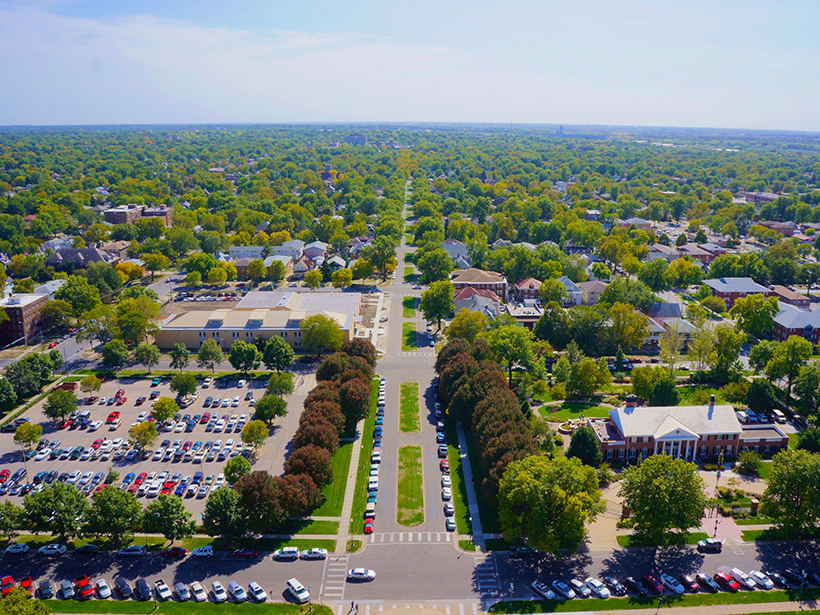

Data visualization and mapping are valuable tools in the fight against COVID-19. Geoscientists can help healthcare workers and shape public policy.
transdisciplinary science

Posted inEditors' Highlights
A New Global Map of Seafloor Fluid Expulsion Anomalies
The first open-source database of SEAfloor FLuid Expulsion Anomalies (SEAFLEASs) at a global scale reveals their distribution and physical parameters.

Posted inNews
Predicting Fast Moving Flash Droughts

A cross-disciplinary consortium of scientists works to monitor droughts that develop in as little as 2 weeks—whose frequencies are predicted to increase with climate change.
Posted inScience Updates
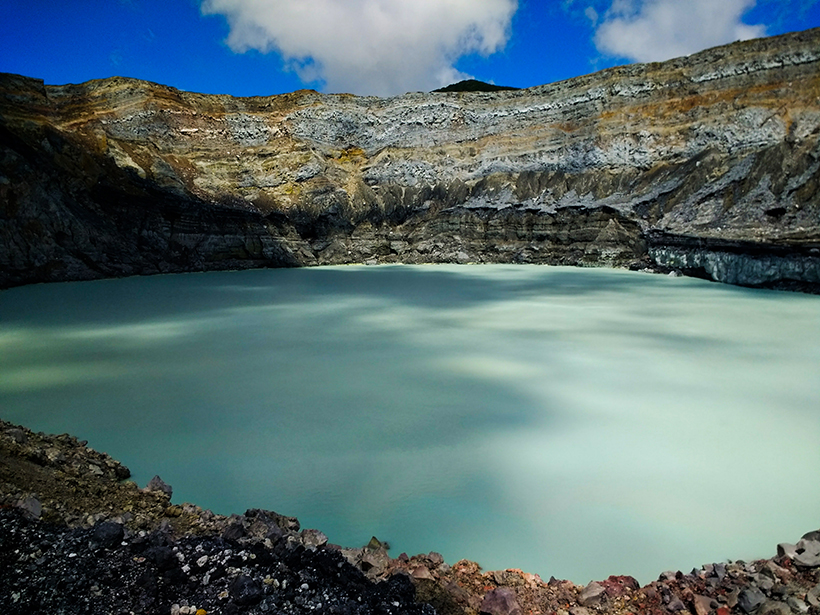
Microbial Influences on Subduction Zone Carbon Cycling
An innovative collaboration is investigating how geobiological processes alter fluxes of carbon and other materials between the deep Earth and the surface.

Posted inOpinions
Science Gets Up to Speed on Dry Rivers
Nonperennial rivers are a major—and growing—part of the global river network. New research and science-based policies are needed to ensure the sustainability of these long-overlooked waterways.

Posted inNews
Ocean Science Decade Calls Attention to a Wave of Concerns

The United Nations Decade of Ocean Science for Sustainable Development is a wake-up call and a motivation to manage the ocean sustainably.

Posted inNews
Momentum Grows for Mapping the Seafloor
Initiatives like the Nippon Foundation-GEBCO Seabed 2030 Project can help us better understand the ocean.
Posted inNews
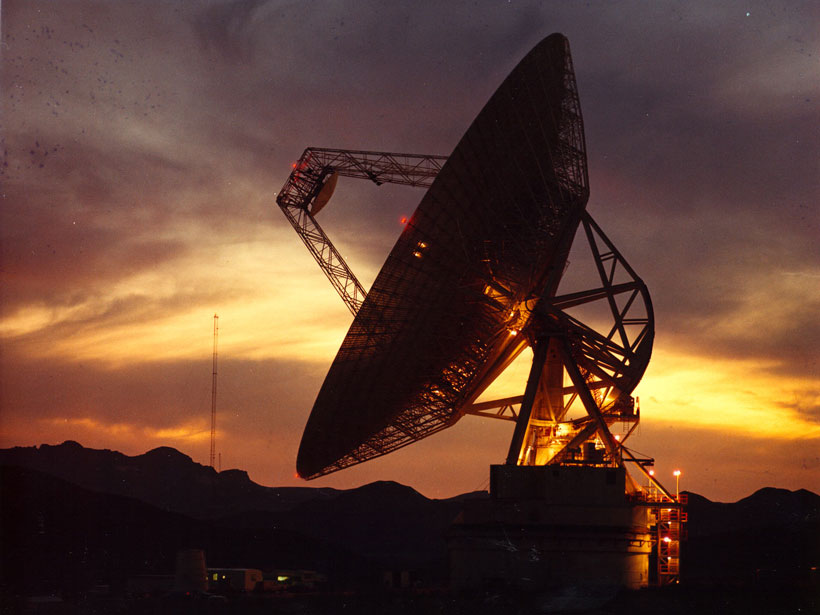
More Than Just Astronomy: Radio Telescopes for Geophysics

Linking an existing network of radio telescopes with satellite radar would make it possible to measure ground displacements in a globally consistent way, scientists propose.
Posted inResearch Spotlights
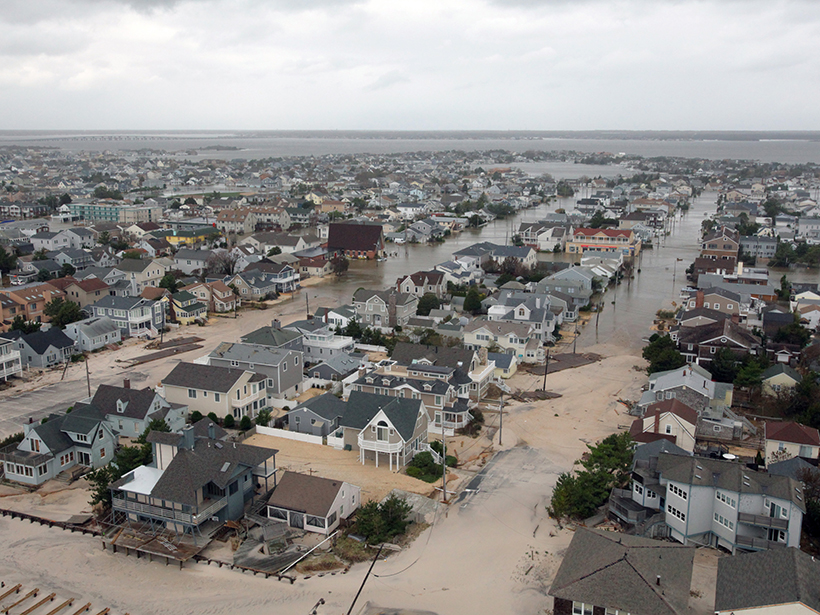
Sea Level Science Grapples with Uncertainty and Usability

Improved transdisciplinary approaches are needed to ensure that research on rising seas is useful for planning in coastal communities.

Posted inNews
Climate Change Will Make Us Sicker and Lose Work Hours

Experts have given the United States a warning: Reduce greenhouse gas emissions, or suffer the consequences of lower productivity and a sicker population for generations to come.