• About
  • Special Reports
  • Topics
    • Climate
    • Earth Science
    • Oceans
    • Space & Planets
    • Health & Ecosystems
    • Culture & Policy
    • Education & Careers
    • Opinions
  • Projects
    • Postcards From the Field
    • ENGAGE
    • Editors’ Highlights
    • Editors’ Vox
    • Eos en Español
    • Eos 简体中文版
    • Print Archive: 2015–2025
  • Policy Tracker
  • Blogs
    • Research & Developments
    • The Landslide Blog
  • Newsletter
  • Submit to Eos
  • AGU.org
  • Career Center
  • Join AGU
  • Give to AGU
  • About
  • Special Reports
  • Topics
    • Climate
    • Earth Science
    • Oceans
    • Space & Planets
    • Health & Ecosystems
    • Culture & Policy
    • Education & Careers
    • Opinions
  • Projects
    • Postcards From the Field
    • ENGAGE
    • Editors’ Highlights
    • Editors’ Vox
    • Eos en Español
    • Eos 简体中文版
    • Print Archive: 2015–2025
  • Policy Tracker
  • Blogs
    • Research & Developments
    • The Landslide Blog
  • Newsletter
  • Submit to Eos
Skip to content
  • AGU.org
  • Career Center
  • Join AGU
  • Give to AGU
Eos

Eos

Science News by AGU

Support Eos
Sign Up for Newsletter
  • About
  • Special Reports
  • Topics
    • Climate
    • Earth Science
    • Oceans
    • Space & Planets
    • Health & Ecosystems
    • Culture & Policy
    • Education & Careers
    • Opinions
  • Projects
    • Postcards From the Field
    • ENGAGE
    • Editors’ Highlights
    • Editors’ Vox
    • Eos en Español
    • Eos 简体中文版
    • Print Archive: 2015–2025
  • Policy Tracker
  • Blogs
    • Research & Developments
    • The Landslide Blog
  • Newsletter
  • Submit to Eos

transportation

Satellite image of clouds and ship tracks in the Pacific Ocean south of Alaska
Posted inNews

Tracking Climate Through Ship Exhaust

by Humberto Basilio 27 September 202218 October 2022

International regulations have reduced aerosol pollutants released from ships. Now, researchers want to use ship tracks to better understand the ambiguous effects that cleaner air has on climate.

A ship sails through sea ice.
Posted inNews

Arctic Shipping Routes Are Feeling the Heat

Jenessa Duncombe, Staff Writer by Jenessa Duncombe 6 July 202218 October 2022

Climate science and the global shipping industry collide in an ice-poor Arctic.
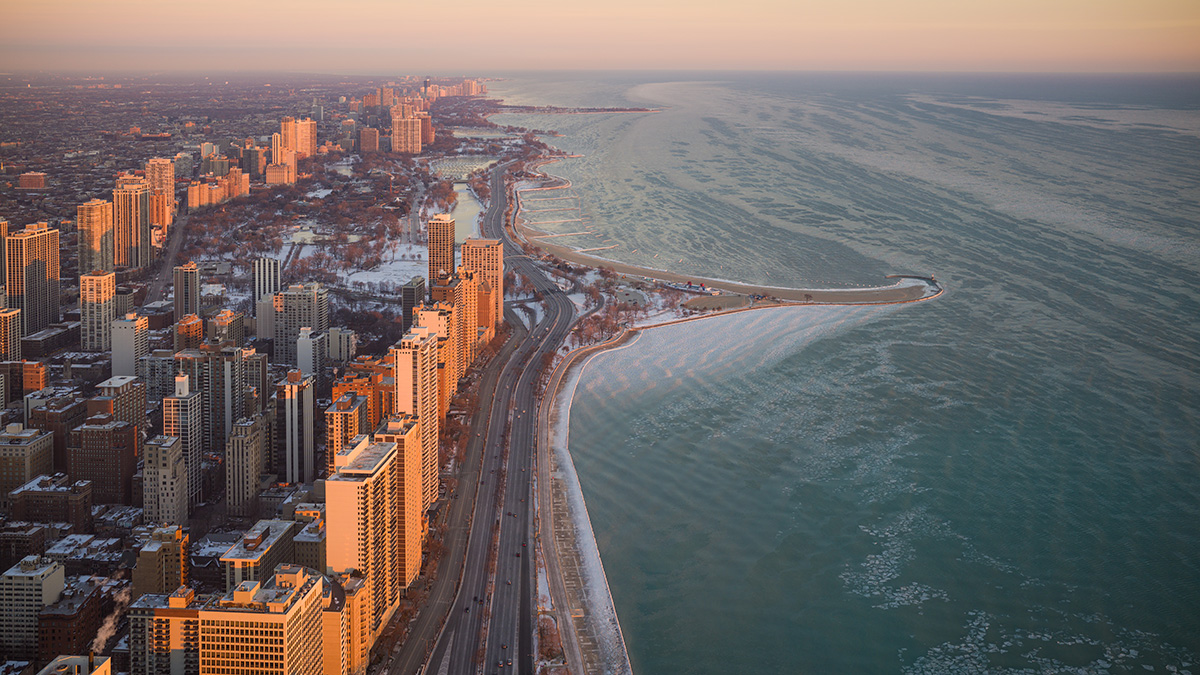
Chicago, Ill., along the shore of Lake Michigan
Posted inNews

Lake Michigan’s Salinity Is on the Rise

by Robin Donovan 7 February 202227 March 2023

Road salt is primarily to blame for the shift, though the water remains within safe levels for now.
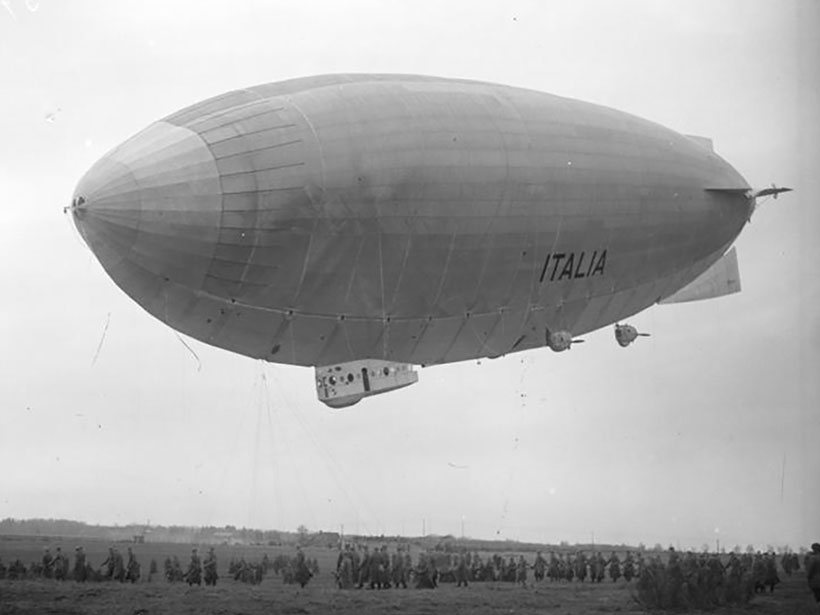
The dirigible Italia docked at the base camp in Ny-Ålesund, Svalbard, prior to its crash
Posted inNews

Space Weather Lessons from a 1928 Dirigible Debacle

Rachel Fritts, Science Writer by Rachel Fritts 1 July 202023 January 2023

Analysis of a disrupted SOS signal during an early polar expedition showcases the importance of taking space weather into account when exploring new frontiers.

A swarm of locusts descends on the lush vegetation of Samburu National Reserve in Kenya
Posted inNews

Hackathon Participants Solve Global Problems—from Home

JoAnna Wendel, freelance science writer and illustrator by JoAnna Wendel 12 June 202031 October 2022

More than 200 participants from 38 countries joined the virtual INSPIRE Hackathon to solve problems in food security, transportation, and more.

Close-up image of gravel and dust on an asphalt
Posted inNews

Road Dust: A Health Hazard Hidden in Plain Sight

Megan Sever, Science Writer by Megan Sever 7 November 201927 August 2025

Legacy heavy metals from past industrial activity combine with traffic paint; asphalt; and bits of tires, brakes, and car parts to create toxic dust on our roadways.
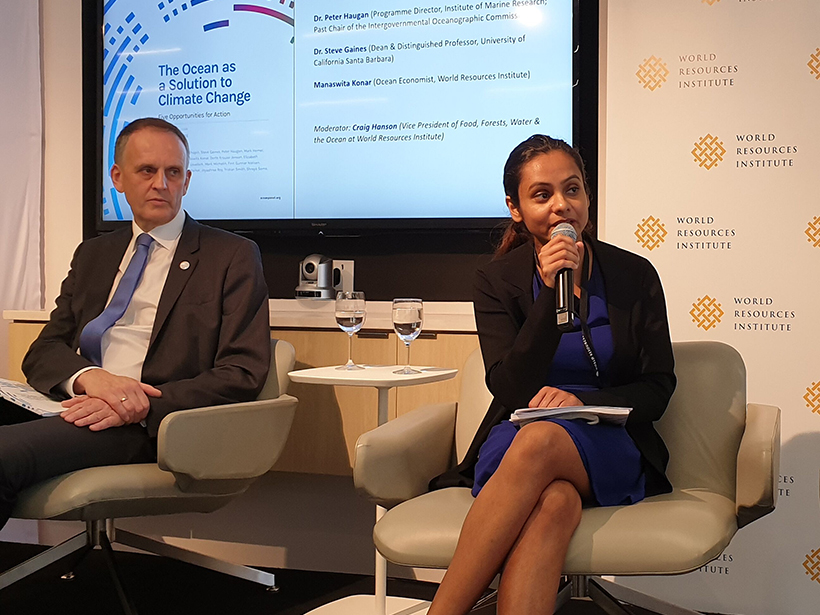
Peter Haugan and Manaswita Konar sit on a dais in front of a screen reading “The Ocean as a Solution to Climate Change.”
Posted inNews

Ocean-Based Actions Provide Big Opportunities to Curb Emissions

by Randy Showstack 7 October 201927 March 2023

A new report outlines key areas to help mitigate emissions, including increased renewable energy, more efficient ocean-based transport, and advances in managing fisheries and aquaculture.
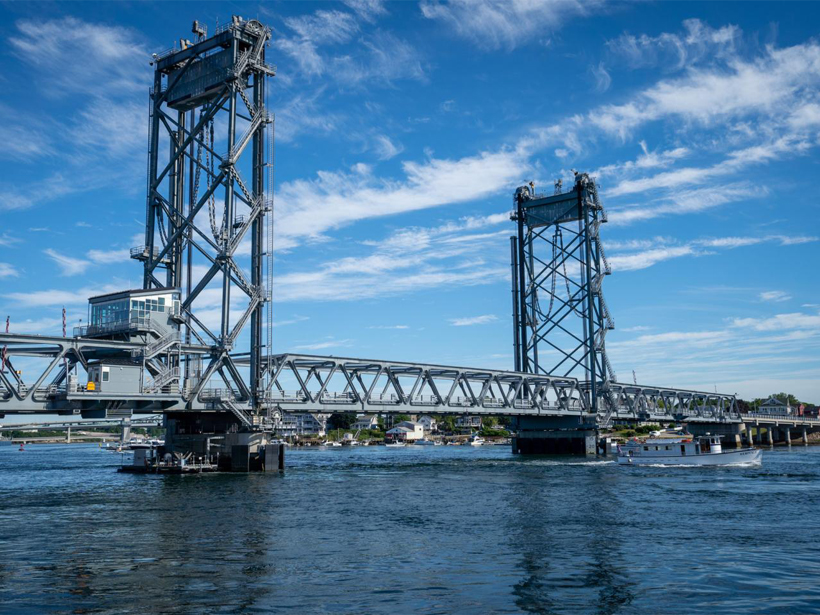
A vertical-lift bridge spanning a river
Posted inNews

This Bridge Monitors the Environment and Harnesses Tidal Energy

Rachel Crowell, Science Writer by Rachel Crowell 7 August 20199 May 2022

The “smart” Memorial Bridge spanning the Piscataqua is outfitted with a tidal turbine and more than 40 sensors.

Airplane contrails over mountains
Posted inNews

Contrails’ Climate Impact Could Triple by 2050

Kimberly M. S. Cartier, News Writing and Production Intern for Eos.org by Kimberly M. S. Cartier 28 June 201913 March 2023

Contrail cirrus clouds have warmed the atmosphere more than all the carbon dioxide from planes since the dawn of aviation and will do so even more in the future.

Handlebar view of a courier bicycling in New York City.
Posted inNews

Novel Air Pollution Study Gauges Individual Cyclists’ Risks

by R. Kaufman 13 June 20176 October 2025

By attaching an array of instruments to bike commuters in New York City, researchers aim to evaluate ambient pollution amounts and doses at the level of an individual cyclist.

Posts pagination

Newer posts 1 2 3 Older posts
Over a dark blue-green square appear the words Special Report: The State of the Science 1 Year On.

Features from AGU Publications

Research Spotlights

Sea Turtles, Shrinking Beaches, and Rising Seas

16 March 202616 March 2026
Editors' Highlights

Trees Shed Their Leaves to Adapt to Droughts

20 March 202620 March 2026
Editors' Vox

Rates of Mineral Dissolution from the Flask to Enhanced Weathering

20 March 202619 March 2026
Eos logo at left; AGU logo at right

About Eos
ENGAGE
Awards
Contact

Advertise
Submit
Career Center
Sitemap

© 2026 American Geophysical Union. All rights reserved Powered by Newspack