


A dense seismic network keeps vigil over the western United States, sensing quakes soon after they begin so people nearby can brace themselves. How do wildfires affect these guardians of the West Coast?
United States
Posted inNews
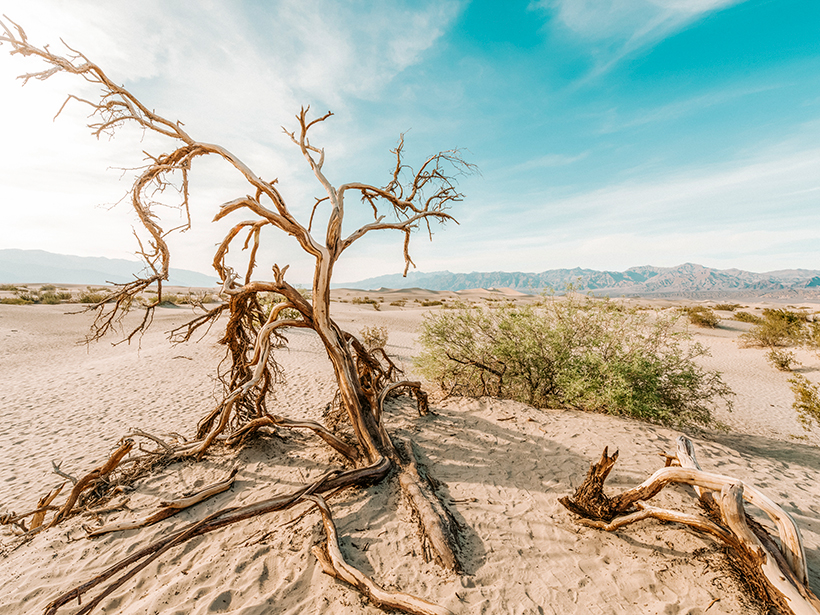
Winter Drought Relief Unlikely in Western U.S.

This year is still on track to be one of the hottest years on record around the globe.

Posted inNews
Decrease in Lightning Recorded over the Lower 48

Researchers mining data from the National Lightning Detection Network found a 32% decrease in lightning counts in May and June 2020 compared with previous years.
Posted inEditors' Highlights
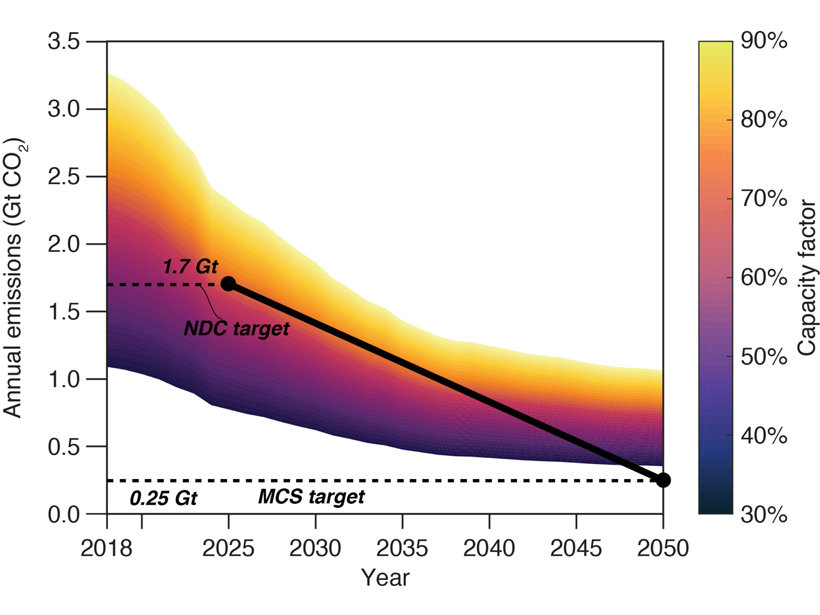
Committed U.S. Power Emissions Incompatible with Paris Agreement
Without a significant reduction in usage, committed emissions from coal and gas plants in the United States are already incompatible with the country’s pledges under the Paris climate agreement.

Posted inEditors' Highlights
Machine Learning Predicts Subsidence from Groundwater Pumping
Machine learning and data on aquifer type, sediment thickness, and proxies for irrigation water use has been used to produce the most comprehensive map of land subsidence in the western U.S. to date.
Posted inResearch Spotlights
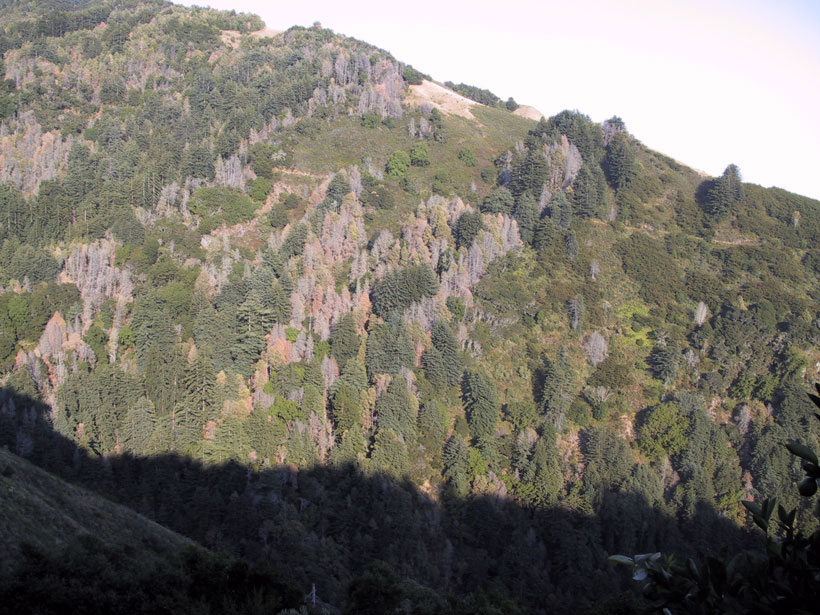
Sudden Oak Death Taking a Toll on U.S. West Coast

Researchers have been modeling effects of the plant pathogen Phytophthora ramorum on coastal forests in California and Oregon since it arrived on the West Coast 3 decades ago.

Posted inNews
A Month of Milestones for Mars Missions
Mars launch season has arrived, and it brings the first space exploration mission from the Arab world, China’s first Mars landing, and the first powered flight on another planet.

Posted inResearch Spotlights
Great Plains Plants Bounce Back After Large Wildfires

An analysis of nearly 1,400 wildfires suggests that some postfire techniques used to help restore vegetation may be unnecessary.
Posted inScience Updates
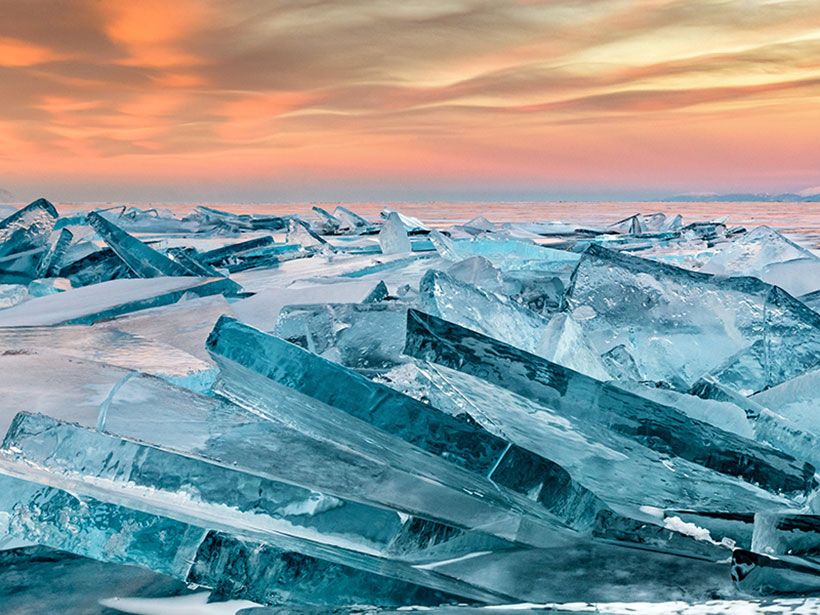
Big Questions, Few Answers About What Happens Under Lake Ice
Scientists long eschewed studying lakes in winter, expecting that cold temperatures and ice cover limited activity below the surface. Recent findings to the contrary are changing limnologists’ views.

Posted inOpinions
Do You Know Your Home’s Flood Risk?
Search for your address in this new database and get an easy to understand indicator of the potential for flooding now and over the next several decades as climate change alters our environment.