

Pandemic relief funding should provide a much-needed boost to scientific research. And we should steer those dollars toward where they can do the most good.
United States
Posted inNews
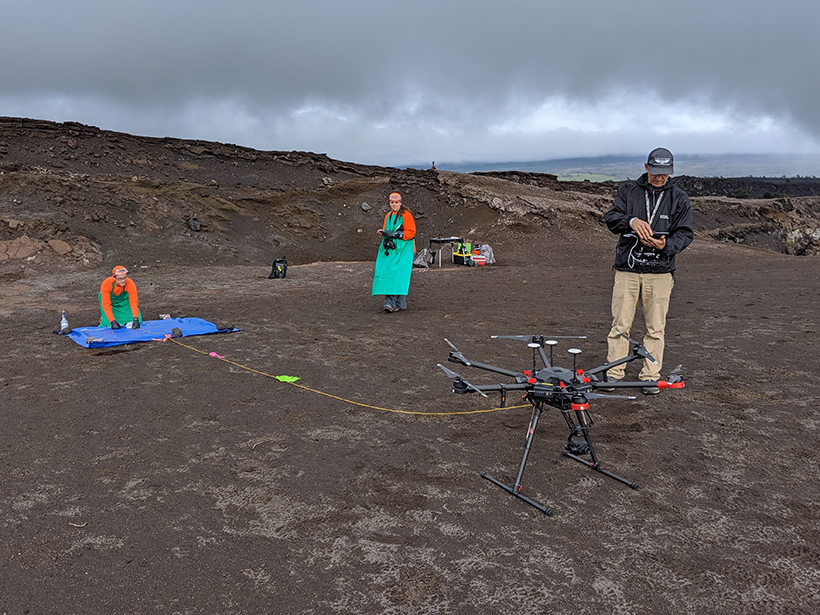
NSF Plots a Course for the Next Decade of Earth Sciences Research

Committee members who put together the new report Earth in Time describe this as an “all hands on deck” moment for the field.

Posted inNews
La Contaminación del Aire Puede Empeorar la Tasa de Mortalidad por COVID-19

Científicos descubren que condados altamente contaminados en los Estados Unidos tendrán una tasa de mortalidad por COVID19 4.5 veces más grande que aquellos condados similares.

Posted inNews
Air Pollution Can Worsen the Death Rate from COVID-19
Scientists find that highly polluted counties in the United States will have a COVID-19 death rate 4.5 times higher than those with low pollution if they’re otherwise similar.

Posted inFeatures
U.S. Readies Health Response for the Next Big Eruption

Forty years after the explosive eruption of Mount St. Helens, scientists, communities, and civic officials are evaluating plans to best protect public health before, during, and after an eruption.

Posted inNews
Coastal Wetlands Save $1.8 Million per Year for Each Square Kilometer
The protective value of a plot of wetlands varies widely based on the county it shields from storm-related property damage.
Posted inAGU News
The Future Needs Science. The U.S. Elections Need You
AGU is launching the Science Votes the Future campaign to get candidates speaking about science and to get scientists to the polls.

Posted inOpinions
Science Gets Up to Speed on Dry Rivers
Nonperennial rivers are a major—and growing—part of the global river network. New research and science-based policies are needed to ensure the sustainability of these long-overlooked waterways.
Posted inNews
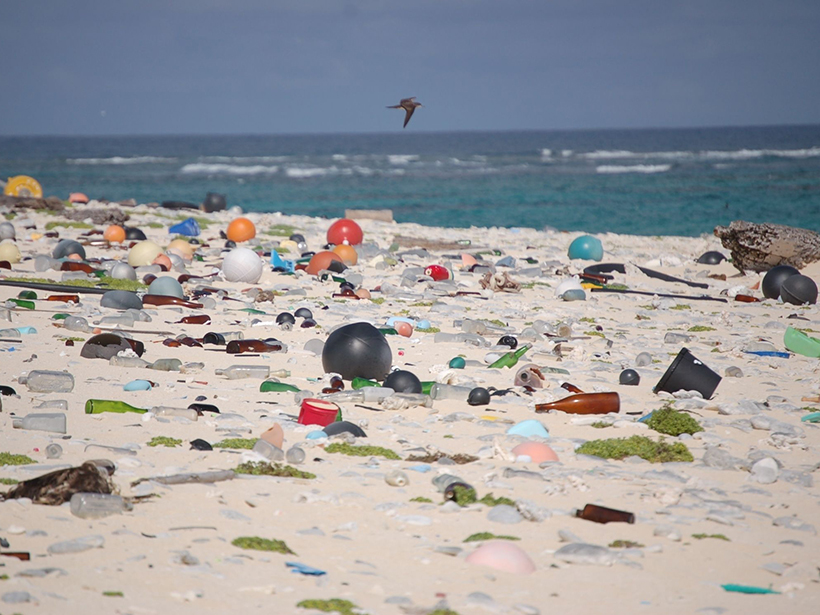
Bill Calls for Dramatically Cutting Plastic Pollution

With just 8% of plastic waste in the United States currently being recycled, the bill aims to set up an effective plastic recycling program and limit single-use plastic.
Posted inNews
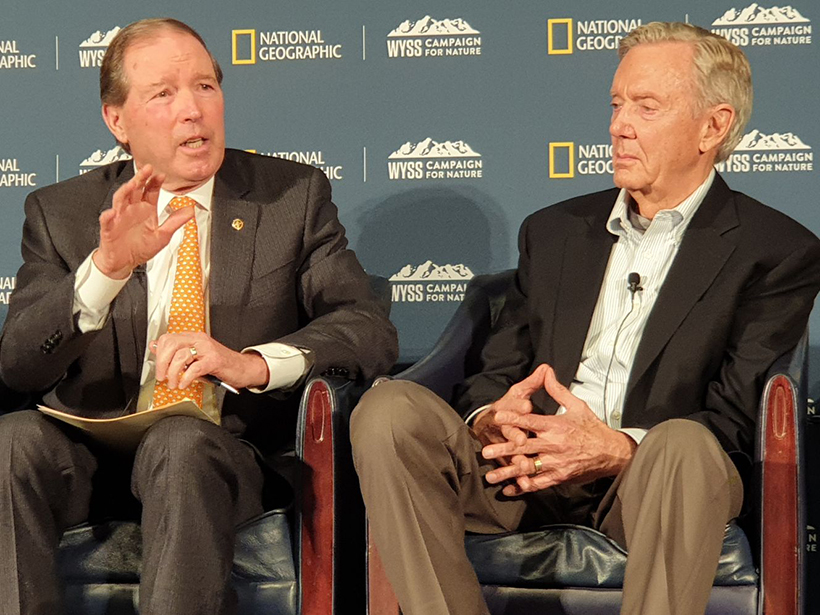
30 by 30: A Push to Protect U.S. Land and Water
The effort to conserve at least 30% of U.S. land and ocean by 2030 is part of an international push for conservation aiming to protect biodiversity and mitigate climate change impacts.