


Former Trump environment official tries to defend the White House while others call for stronger action in the face of growing urgency.
United States
Posted inNews
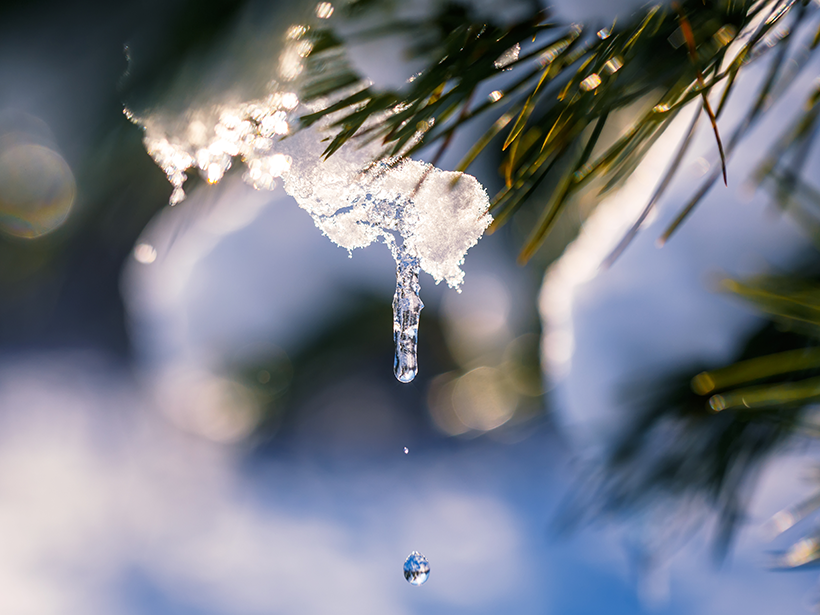
Yet Again, Warmer Winter Looms for U.S.

NOAA’s winter forecasts are less confident than usual except in Alaska and Hawaii. Expect to see a lot of weather variability in the coming months.
Posted inNews
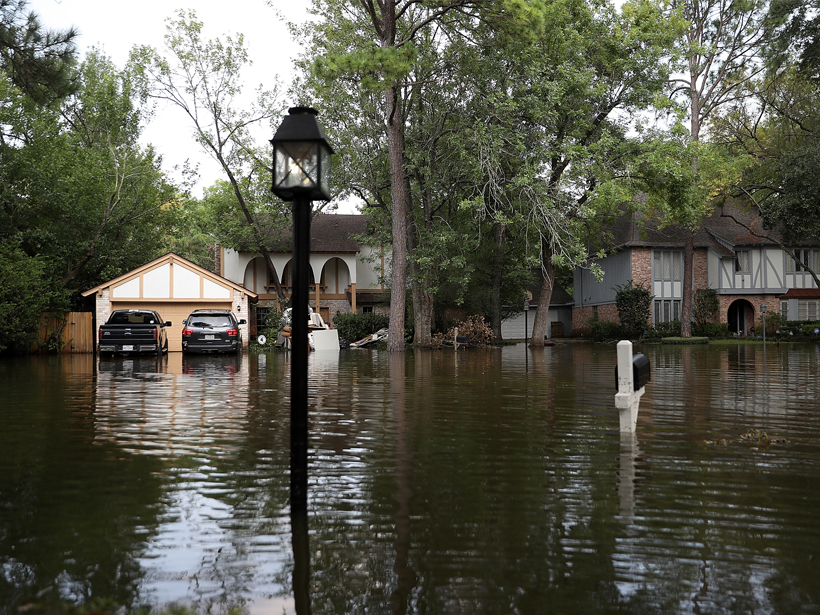
Equity Concerns Raised in Federal Flood Property Buyouts
The communities most in need of federal property buyouts after a flood are the communities least likely to get them.

Posted inNews
Groups Oppose Cuts to Federal Advisory Committees
Dozens of groups call for President Donald Trump to rescind an executive order that they say would arbitrarily eliminate essential advice to inform government decision-making.
Posted inNews
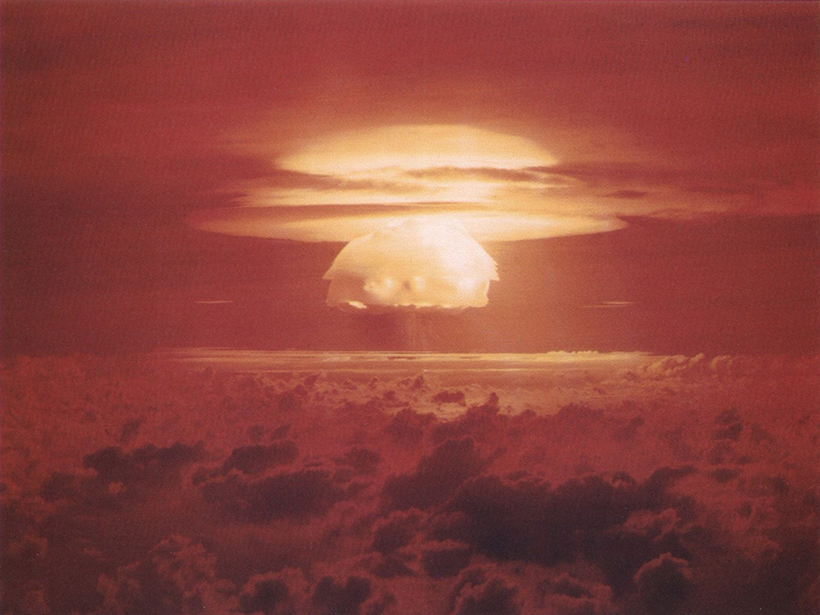
Nuclear Winter May Bring a Decade of Destruction

New climate models present a grim prediction of what would happen worldwide after a nuclear war between the United States and Russia.

Posted inNews
Young Voters Express Frustration and Hope at MSNBC’s Climate Forum

The majority of young voters believe humans have caused climate change. Who will win their vote?

Posted inResearch Spotlights
Soil Moisture Drives Great Plains Cloud Formation
A new study shows that models that reproduce moisture on land are better at accurately recreating cumulus cloud behavior.
Posted inEditors' Highlights
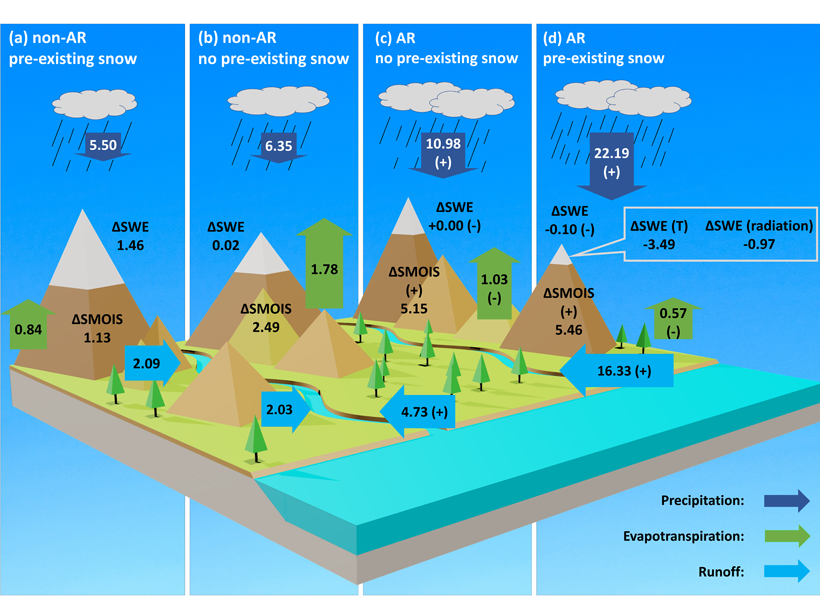
Hydrological Footprint of Atmospheric Rivers on Land
Atmospheric rivers that make landfall in the western United States have significant impacts on the surface water balance, sharpening the seasonality of water resources in coastal watersheds.
Posted inNews
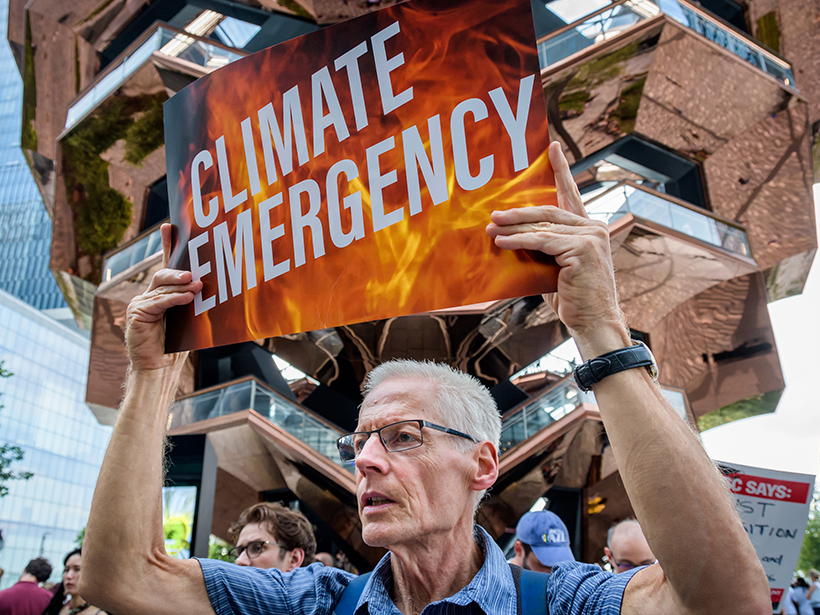
Scientists Praise Urgency, Aggressive Plans in Climate Town Hall
Democratic candidates detailed their plans to address the “existential crisis” of our time. Climate scientists were happy to have a forum—and happier that it was substantive.

Posted inNews
Marshall Islands Nuclear Contamination Still Dangerously High
Today’s radiation levels at some locations were higher than in areas affected by the Chernobyl and Fukushima nuclear disasters.