• About
  • Special Reports
  • Topics
    • Climate
    • Earth Science
    • Oceans
    • Space & Planets
    • Health & Ecosystems
    • Culture & Policy
    • Education & Careers
    • Opinions
  • Projects
    • Postcards From the Field
    • ENGAGE
    • Editors’ Highlights
    • Editors’ Vox
    • Eos en Español
    • Eos 简体中文版
    • Print Archive: 2015–2025
  • Policy Tracker
  • Blogs
    • Research & Developments
    • The Landslide Blog
  • Newsletter
  • Submit to Eos
  • AGU.org
  • Career Center
  • Join AGU
  • Give to AGU
  • About
  • Special Reports
  • Topics
    • Climate
    • Earth Science
    • Oceans
    • Space & Planets
    • Health & Ecosystems
    • Culture & Policy
    • Education & Careers
    • Opinions
  • Projects
    • Postcards From the Field
    • ENGAGE
    • Editors’ Highlights
    • Editors’ Vox
    • Eos en Español
    • Eos 简体中文版
    • Print Archive: 2015–2025
  • Policy Tracker
  • Blogs
    • Research & Developments
    • The Landslide Blog
  • Newsletter
  • Submit to Eos
Skip to content
  • AGU.org
  • Career Center
  • Join AGU
  • Give to AGU
Eos

Eos

Science News by AGU

Support Eos
Sign Up for Newsletter
  • About
  • Special Reports
  • Topics
    • Climate
    • Earth Science
    • Oceans
    • Space & Planets
    • Health & Ecosystems
    • Culture & Policy
    • Education & Careers
    • Opinions
  • Projects
    • Postcards From the Field
    • ENGAGE
    • Editors’ Highlights
    • Editors’ Vox
    • Eos en Español
    • Eos 简体中文版
    • Print Archive: 2015–2025
  • Policy Tracker
  • Blogs
    • Research & Developments
    • The Landslide Blog
  • Newsletter
  • Submit to Eos

volcanoes

A 7 August overflight showed weakly bubbling lava at Kīlauea’s fissure 8, a significant change from flows in prior weeks.
Posted inNews

Kīlauea Eruption Abruptly Slows Down

Ilima Loomis, Science Writer by Ilima Loomis 9 August 20182 May 2022

Volcanologists say it’s too soon to know whether the sudden drop in activity signals the end of the eruption or just a pause.

Eruption of Shinmoedake on 27 January 2011
Posted inNews

Two Active Volcanoes in Japan May Share a Magma Source

Kimberly M. S. Cartier, News Writing and Production Intern for Eos.org by Kimberly M. S. Cartier 31 July 20186 December 2021

Evidence collected following the 2011 eruption of Japan’s Shinmoedake volcano suggests that the powerful event affected the behavior of an active caldera nearby.

Lava bursts from a fissure on the flanks of Kīlauea volcano
Posted inFeatures

Four Ways Kīlauea Is Redrawing the Map

Ilima Loomis, Science Writer by Ilima Loomis 27 July 20185 October 2021

From burying communities to building new land, this historic eruption is changing the landscape of Hawai‘i Island.
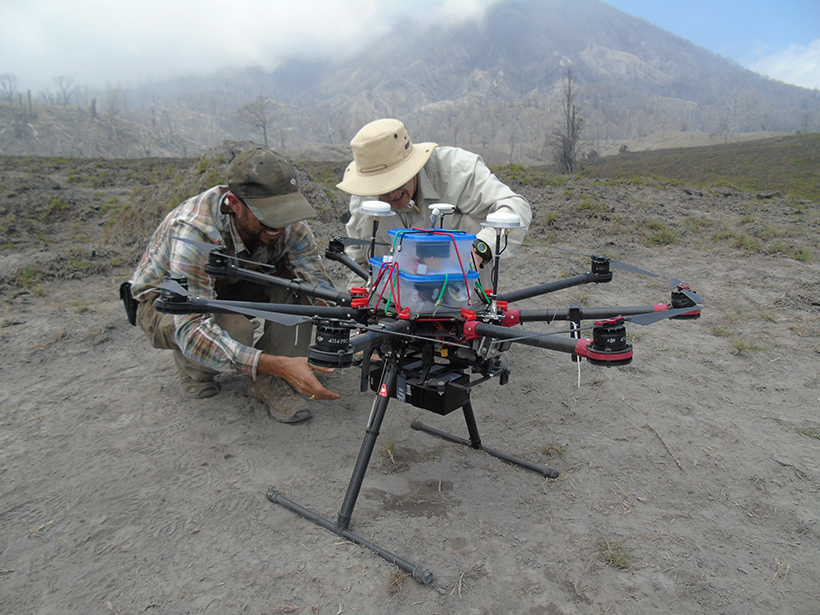
Researchers make final adjustments to drones that will measure volcano gas emissions to improve eruption forecasting science.
Posted inScience Updates

Drones Swoop in to Measure Gas Belched from Volcanoes

by F. D’Arcy, J. Stix, J. M. de Moor, J. Rüdiger, J. A. Diaz, A. Alan and E. Corrales 25 July 201811 January 2022

A team of volcanologists, chemists, physicists, and engineers from around the world test novel techniques at Central America’s two largest degassing volcanoes.
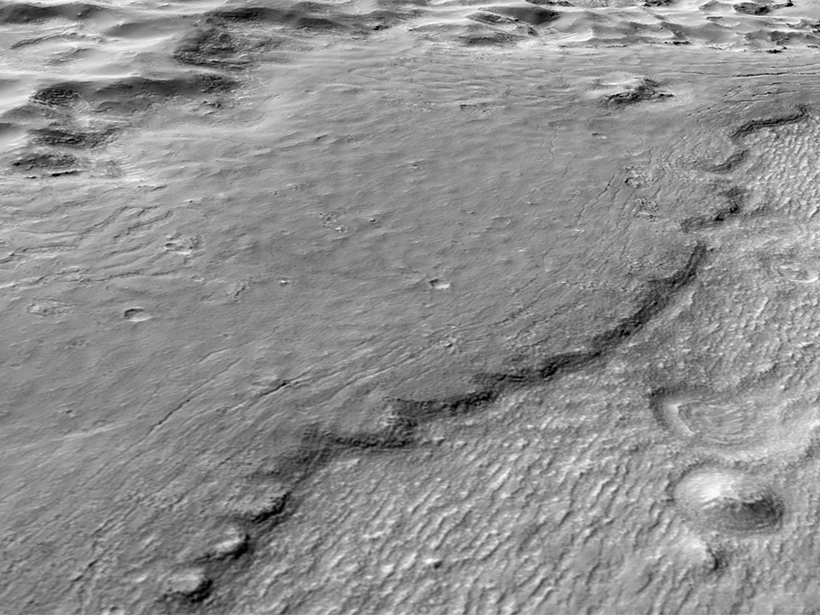
Researchers analyze traces of volcanic activity and water flooding in Hrad Vallis on Mars
Posted inResearch Spotlights

Tracing the Steps of Hydrothermal Activity in Hrad Vallis, Mars

by S. Witman 10 July 201810 October 2021

Conditions that formed Amazonian age valleys may have been hospitable to microbial life.
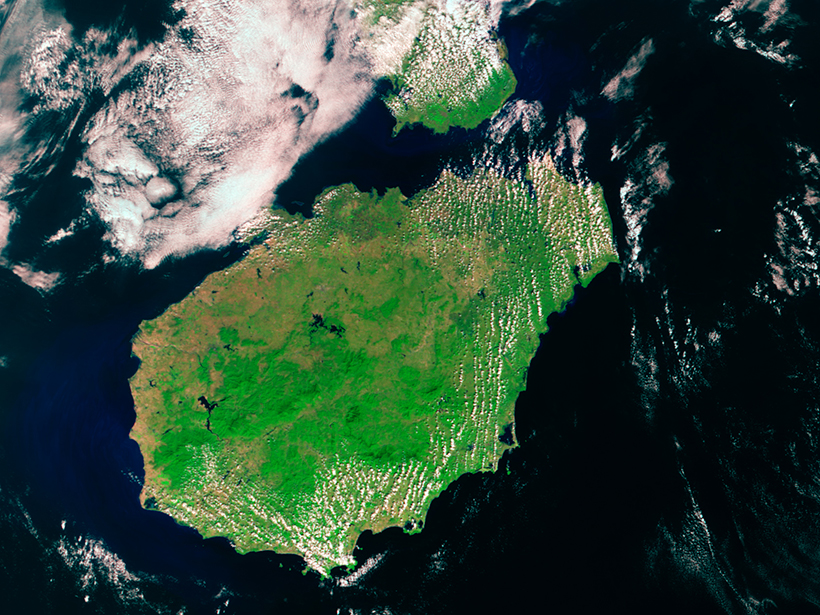
New evidence suggests volcanoes on China’s Hainan Island are the result of a hot spot
Posted inResearch Spotlights

Linking Mantle Plumes to Volcanoes and Hot Spot Tracks

by E. Underwood 11 June 20184 August 2023

Study bolsters hypothesis that volcanoes on China’s Hainan Island were formed by a hot spot.
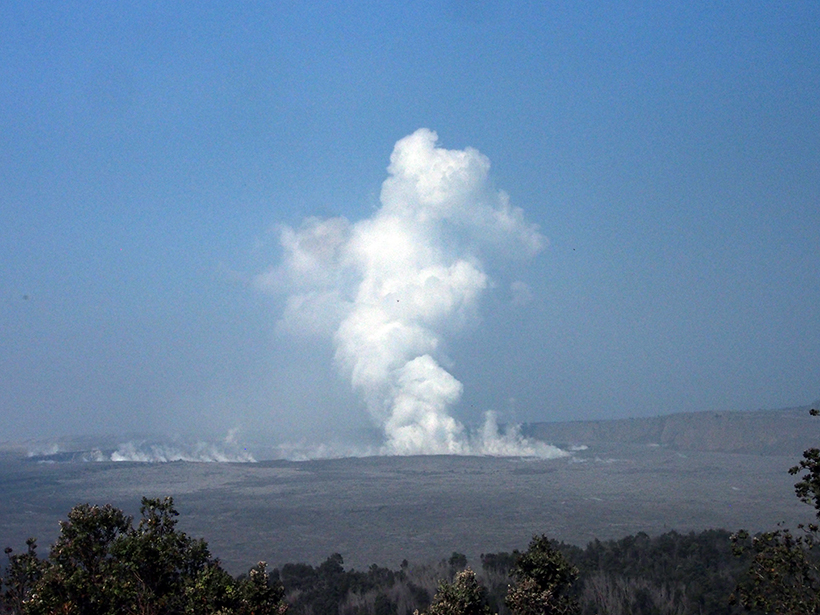
Steam plume from Halema'uma'u crater on 1 June 2018
Posted inNews

Huge Spike in Quakes Badly Damages Kīlauea Observatory

Ilima Loomis, Science Writer by Ilima Loomis 5 June 20182 May 2022

Meanwhile, some scientists say that the 35-year eruption from the Pu‘u Ō‘ō vent has ended and that the flows since 3 May are a new eruption. Others take issue with this view.

Laguna Caliente in Costa Rica
Posted inNews

Scientists Discover an Environment on the Cusp of Habitability

Katherine Kornei, Science Writer by Katherine Kornei 25 May 201824 February 2022

A volcanically heated Costa Rican lake hosts only one type of organism, suggesting that its Mars-like environment is just barely capable of supporting life.

Kīlauea lava flows
Posted inNews

Faster Lava Flows, Explosive Eruptions Begin at Kīlauea

Ilima Loomis, Science Writer by Ilima Loomis 21 May 20184 October 2021

Scientists say the dramatic increase in flows is likely due to the arrival of younger, hotter magma in the system.

Halema'uma'u crater ash plume from 1924
Posted inNews

Steam-Driven Blasts Last Seen at Kīlauea in 1924 May Recur

Ilima Loomis, Science Writer by Ilima Loomis 15 May 201825 October 2022

Sinking magma levels and rockfalls prompt warnings, flight restrictions, and the shutdown of Hawai’i Volcanoes National Park.

Posts pagination

Newer posts 1 … 29 30 31 32 33 … 42 Older posts
Over a dark blue-green square appear the words Special Report: The State of the Science 1 Year On.

Features from AGU Publications

Research Spotlights

The Speedy Particles That Could Help Us Learn More About Uranus

18 June 202618 June 2026
Editors' Highlights

Where Methane is Emitted Matters for Global Burden

18 June 202616 June 2026
Editors' Vox

Small-Scale Indian Ocean Dynamics Underpin Marine Ecology and Climate

4 June 20263 June 2026
Eos logo at left; AGU logo at right

About Eos
ENGAGE
Awards
Contact

Advertise
Submit
Career Center
Sitemap

© 2026 American Geophysical Union. All rights reserved Powered by Newspack