• About
  • Special Reports
  • Topics
    • Climate
    • Earth Science
    • Oceans
    • Space & Planets
    • Health & Ecosystems
    • Culture & Policy
    • Education & Careers
    • Opinions
  • Projects
    • Postcards From the Field
    • ENGAGE
    • Editors’ Highlights
    • Editors’ Vox
    • Eos en Español
    • Eos 简体中文版
    • Print Archive: 2015–2025
  • Policy Tracker
  • Blogs
    • Research & Developments
    • The Landslide Blog
  • Newsletter
  • Submit to Eos
  • AGU.org
  • Career Center
  • Join AGU
  • Give to AGU
  • About
  • Special Reports
  • Topics
    • Climate
    • Earth Science
    • Oceans
    • Space & Planets
    • Health & Ecosystems
    • Culture & Policy
    • Education & Careers
    • Opinions
  • Projects
    • Postcards From the Field
    • ENGAGE
    • Editors’ Highlights
    • Editors’ Vox
    • Eos en Español
    • Eos 简体中文版
    • Print Archive: 2015–2025
  • Policy Tracker
  • Blogs
    • Research & Developments
    • The Landslide Blog
  • Newsletter
  • Submit to Eos
Skip to content
  • AGU.org
  • Career Center
  • Join AGU
  • Give to AGU
Eos

Eos

Science News by AGU

Support Eos
Sign Up for Newsletter
  • About
  • Special Reports
  • Topics
    • Climate
    • Earth Science
    • Oceans
    • Space & Planets
    • Health & Ecosystems
    • Culture & Policy
    • Education & Careers
    • Opinions
  • Projects
    • Postcards From the Field
    • ENGAGE
    • Editors’ Highlights
    • Editors’ Vox
    • Eos en Español
    • Eos 简体中文版
    • Print Archive: 2015–2025
  • Policy Tracker
  • Blogs
    • Research & Developments
    • The Landslide Blog
  • Newsletter
  • Submit to Eos

water supply

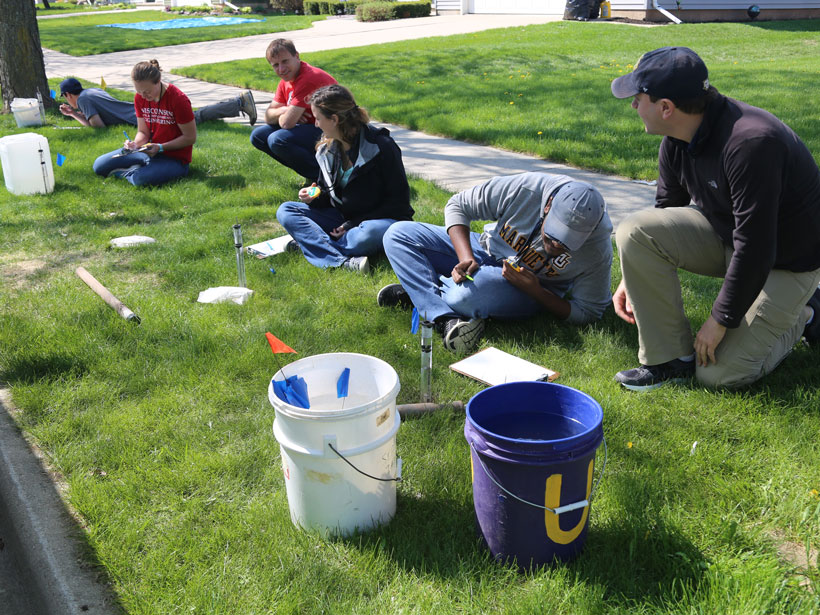
Researchers measure soil infiltration capacity outside a private residence
Posted inResearch Spotlights

Strategies to Improve Urban Hydrology

Aaron Sidder, freelance science writer by Aaron Sidder 18 March 201930 March 2023

Cities can reduce surface runoff and increase groundwater recharge by encouraging their residents to implement simple, hydrologic modifications on individual buildings and single-family parcels.

Grocery store carts full of bottled water
Posted inResearch Spotlights

What Do People Drink When They Think Their Tap Water Isn’t Safe?

by Terri Cook 6 March 201918 October 2022

An analysis of nationwide housing data shows that minority households disproportionately bear the multibillion-dollar economic burden that comes from believing their water is unsafe.
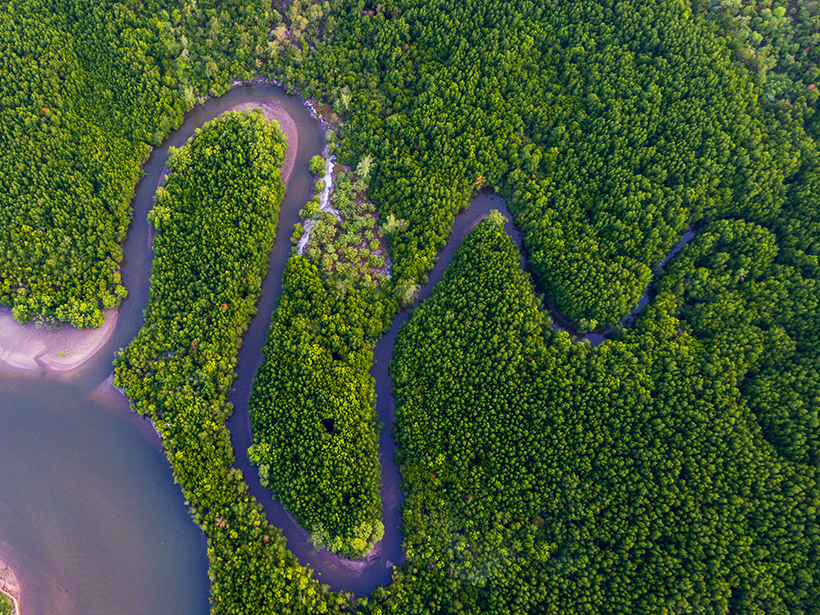
Aerial view of a mangrove canal
Posted inAGU News

Everything Is Connected

Heather Goss, AGU Publisher by Heather Goss 4 March 20199 March 2023

The field of hydrology embraces the balance of worldwide systems and local behavior.
Posted inNews

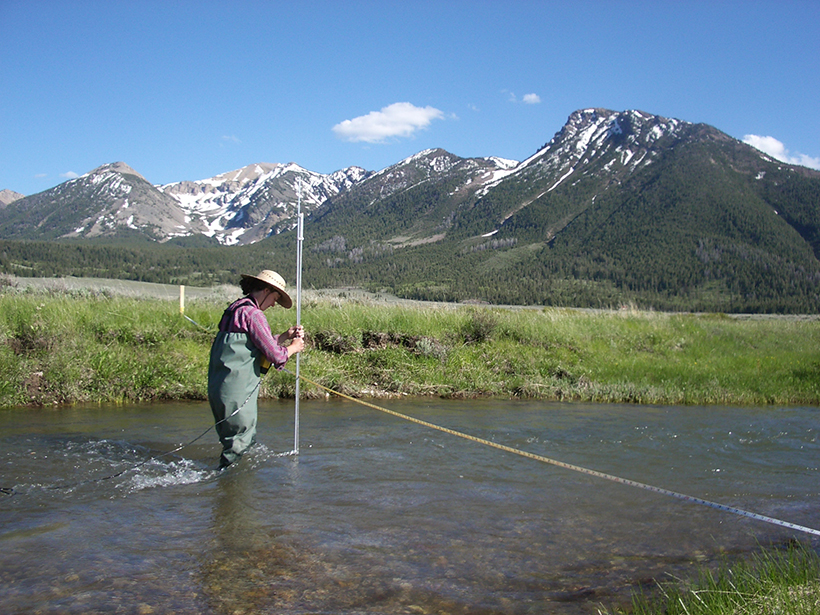
Simplifying How (and When and Where) Snow Turns into Flow

by D. Lockwood 20 February 20193 March 2023

A Montana researcher has developed a map for predicting how climate change may alter the water supply.
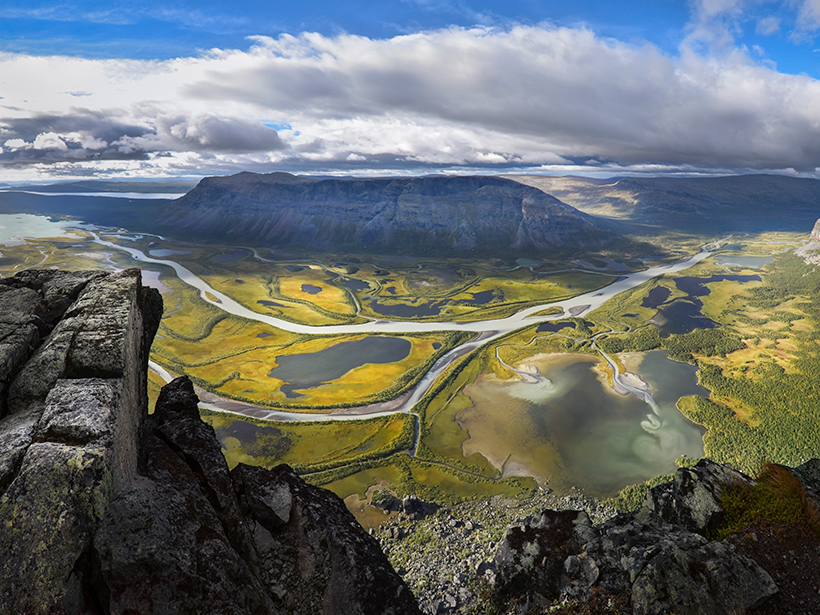
A river in Sweden’s Sarek National Park.
Posted inScience Updates

Can We Predict River Flows from Just a Few Observations?

by S. W. Lyon, V. Mansanarez and I. K. Westerberg 15 February 201928 February 2023

Improving Discharge Data for Water Resources Management—Hydraulic Modelling as a Tool for Rapid Rating Curve Estimation; Stockholm, Sweden, 8 November 2018
Posted inEditors' Highlights

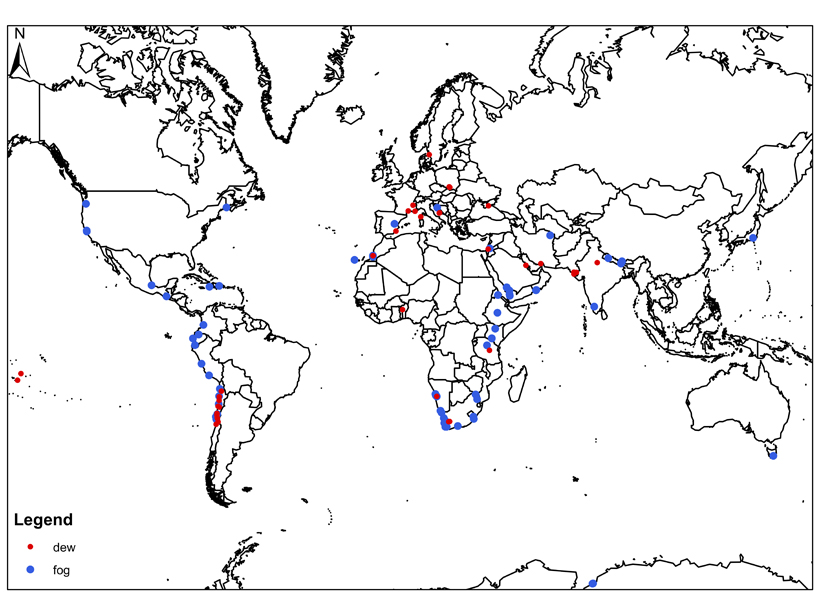
Fog Catching for Thirsty Locales

by Gabriel Filippelli 15 November 20187 February 2024

Many arid and semi-arid regions experience very little rainfall, but quite a bit of fog, which might be a viable source of drinking water.

A woman draws water from a well in northern India, where unsustainable aquifers are vulnerable to drought conditions.
Posted inResearch Spotlights

A Closer Look at the Sustainability of Our Groundwater Aquifers

by L. Strelich 19 October 20186 February 2023

Researchers use a new approach to assessing the world’s largest aquifers in hopes of improving groundwater management during drought periods.

USGS employees install a stream gage in Cedar Rapids, Iowa.
Posted inNews

Water Resources Challenges Expected to Increase

by Randy Showstack 9 October 201824 February 2023

A new report identifies the highest-priority challenges and recommendations for the U.S. Geological Survey’s water mission.

Posted inEditors' Vox

The Challenges of Meeting Future Food, Energy, and Water Needs

by P. D’Odorico 27 July 201812 November 2021

The inherent interlinkages between food, energy, and water systems present both challenges and opportunities for a more sustainable future on Planet Earth.

A new method combines elevation change with other data to estimate debris thickness on glaciers
Posted inResearch Spotlights

A Novel Way to Map Debris Thickness on Himalayan Glaciers

by Terri Cook 29 May 20187 February 2023

By combining changes in elevation with other data, scientists have developed a method for estimating the thickness of debris covering glaciers on whose water more than 800 million people depend.

Posts pagination

Newer posts 1 … 14 15 16 17 18 … 21 Older posts
Over a dark blue-green square appear the words Special Report: The State of the Science 1 Year On.

Features from AGU Publications

Research Spotlights

Stretching and Squeezing Release Glacial Meltwater

26 May 202626 May 2026
Editors' Highlights

From Grains to Bands: Modeling Deformation in Porous Rocks

26 May 202621 May 2026
Editors' Vox

From Volcanic Vents to Safer Skies

27 May 202627 May 2026
Eos logo at left; AGU logo at right

About Eos
ENGAGE
Awards
Contact

Advertise
Submit
Career Center
Sitemap

© 2026 American Geophysical Union. All rights reserved Powered by Newspack