• About
  • Special Reports
  • Topics
    • Climate
    • Earth Science
    • Oceans
    • Space & Planets
    • Health & Ecosystems
    • Culture & Policy
    • Education & Careers
    • Opinions
  • Projects
    • Postcards From the Field
    • ENGAGE
    • Editors’ Highlights
    • Editors’ Vox
    • Eos en Español
    • Eos 简体中文版
    • Print Archive: 2015–2025
  • Policy Tracker
  • Blogs
    • Research & Developments
    • The Landslide Blog
  • Newsletter
  • Submit to Eos
  • AGU.org
  • Career Center
  • Join AGU
  • Give to AGU
  • About
  • Special Reports
  • Topics
    • Climate
    • Earth Science
    • Oceans
    • Space & Planets
    • Health & Ecosystems
    • Culture & Policy
    • Education & Careers
    • Opinions
  • Projects
    • Postcards From the Field
    • ENGAGE
    • Editors’ Highlights
    • Editors’ Vox
    • Eos en Español
    • Eos 简体中文版
    • Print Archive: 2015–2025
  • Policy Tracker
  • Blogs
    • Research & Developments
    • The Landslide Blog
  • Newsletter
  • Submit to Eos
Skip to content
  • AGU.org
  • Career Center
  • Join AGU
  • Give to AGU
Eos

Eos

Science News by AGU

Support Eos
Sign Up for Newsletter
  • About
  • Special Reports
  • Topics
    • Climate
    • Earth Science
    • Oceans
    • Space & Planets
    • Health & Ecosystems
    • Culture & Policy
    • Education & Careers
    • Opinions
  • Projects
    • Postcards From the Field
    • ENGAGE
    • Editors’ Highlights
    • Editors’ Vox
    • Eos en Español
    • Eos 简体中文版
    • Print Archive: 2015–2025
  • Policy Tracker
  • Blogs
    • Research & Developments
    • The Landslide Blog
  • Newsletter
  • Submit to Eos

News

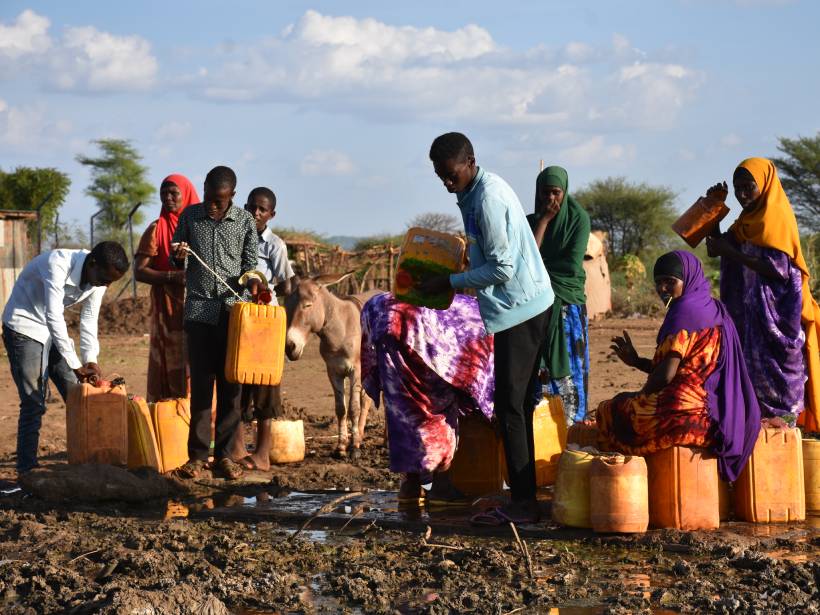
Men and women collect water at a secured borehole in Moyale, Kenya.
Posted inNews

Scientists Map Africa’s Groundwater Recharge for the First Time

by Munyaradzi Makoni 1 April 202116 February 2022

The continent-wide survey provides an assessment of the resilience of groundwater resources.

An artist’s depiction of the surface of Venus with volcanoes in the background, clouds in an orange sky, and a silver scientific balloon hovering above a brown, rocky ground.
Posted inNews

Exploring Venus by Balloon

Kimberly M. S. Cartier, News Writing and Production Intern for Eos.org by Kimberly M. S. Cartier 1 April 202118 November 2021

Aerobots could help reveal secrets of Earth’s mysterious twin planet.
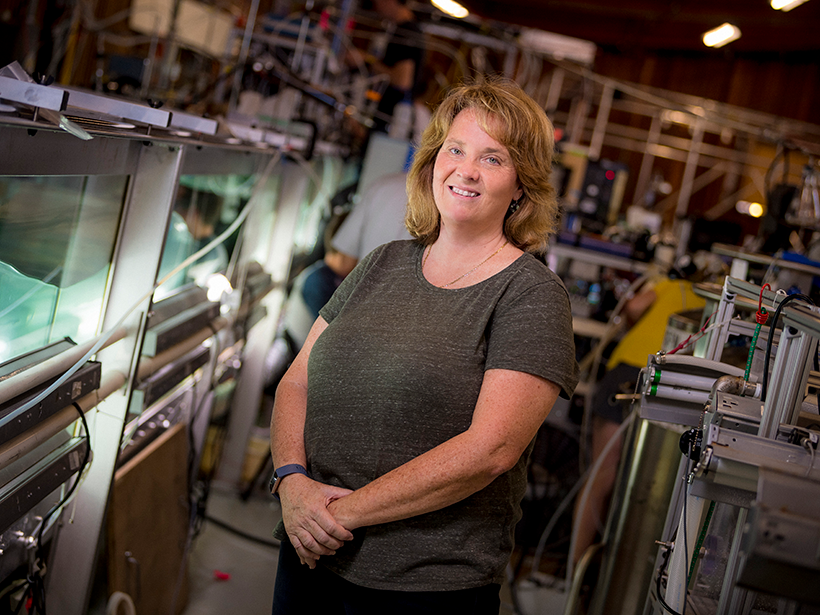
Scientist Kim Prather stands next to a wave tank in a laboratory
Posted inNews

Aerosol Scientists Try to Clear the Air About COVID-19 Transmission

Jenessa Duncombe, Staff Writer by Jenessa Duncombe 31 March 202131 May 2022

“We are basically doing what a public health agency should be doing.”
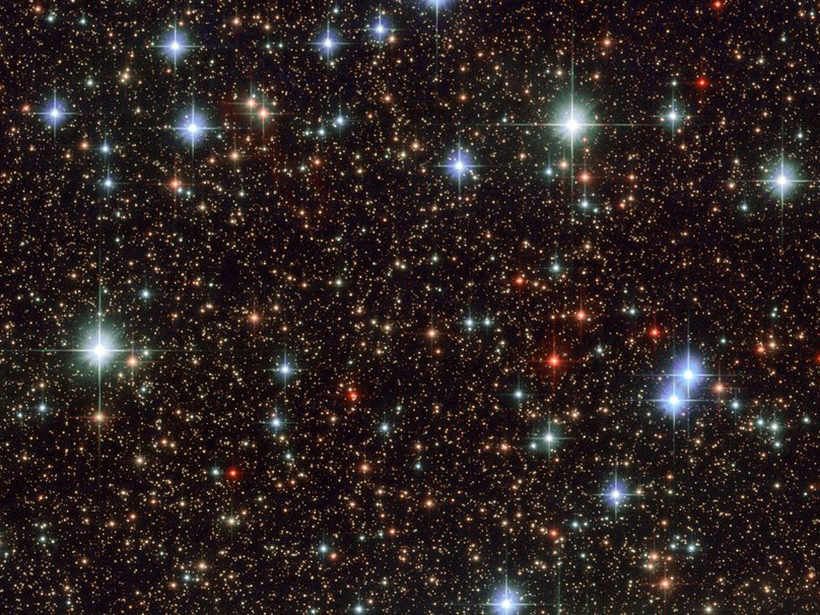
Thousands of stars of many colors on a black background
Posted inNews

1.3 Million Pairs of Stars Surround the Sun

Kimberly M. S. Cartier, News Writing and Production Intern for Eos.org by Kimberly M. S. Cartier 31 March 202110 January 2023

Roughly half of Sun-like stars have a stellar sibling, and a surprising fraction of those siblings are identical twins.

Several Velella velella on the beach
Posted inNews

Why Trillions of Jellyfish Washed Ashore from Canada to California

Jenessa Duncombe, Staff Writer by Jenessa Duncombe 31 March 20216 December 2021

Although warming oceans may make population booms and mass strandings more common, the species may ultimately be one of the beneficiaries of climate change.
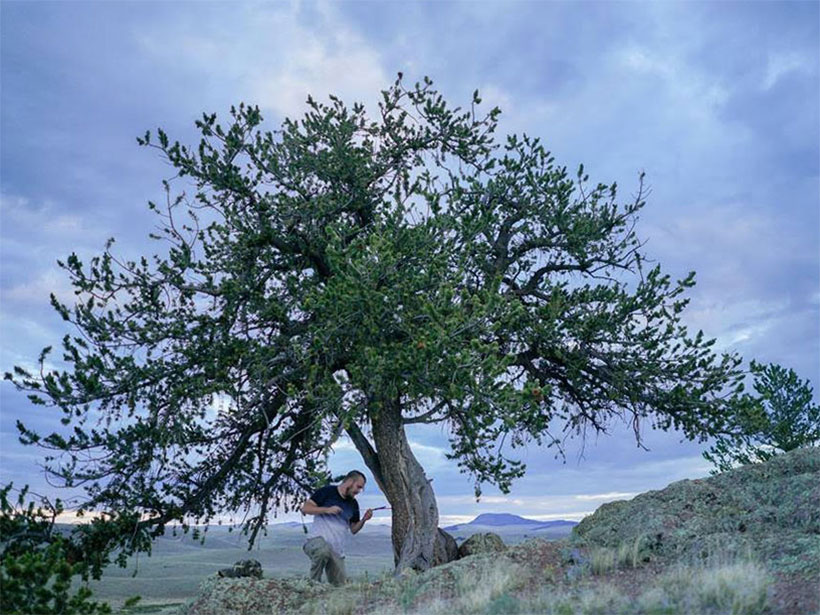
Max Torbenson coring a pine tree
Posted inNews

Podcast: What Tree Rings Can Tell Us About the U.S. Civil War

by S. M. Hanlon 30 March 20215 March 2026

Climate change–induced drought may have had an influence on the Civil War.

Image of a volcanic lake at Ijen volcano in Indonesia
Posted inNews

Ancient, Acidic Lakes May Have Harbored Life

by R. Kemeny 30 March 202125 March 2022

A new analysis of South African sediments hints that acidic lakes may have leached minerals necessary for biotic life.

Red rocks of the Chinle Formation at Petrified Forest National Park
Posted inNews

Red Rocks: Using Color to Understand Climate Change

by R. Mazumdar 30 March 20213 January 2023

A recent study on hematite formation during the Triassic may help predict the effects of climate change on contemporary monsoonal environments.
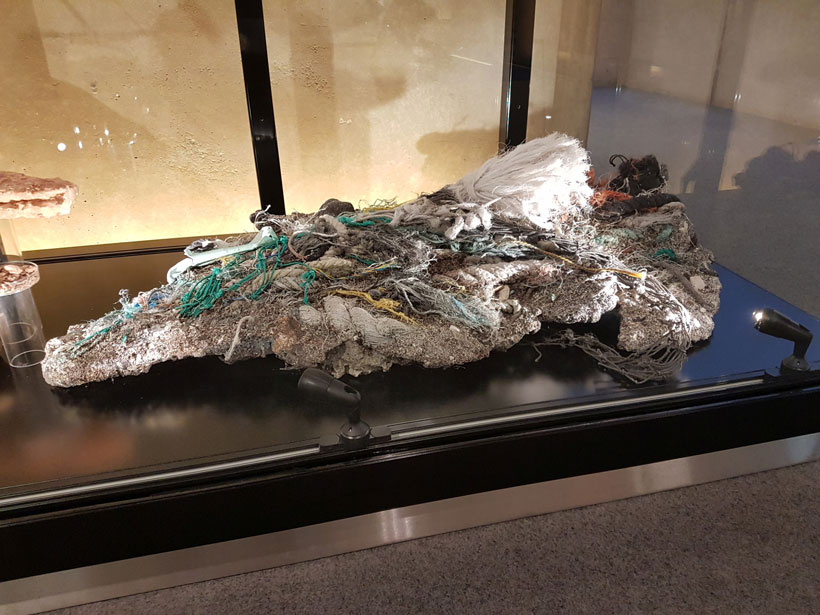
Photograph of a plastiglomerate, a rock made from pieces of trash and other natural debris. This example includes pieces of white, green, and yellow rope intermingled with sediment.
Posted inNews

The Difficulty of Defining the Anthropocene

by Alka Tripathy-Lang 29 March 202122 August 2023

Humans may be in a new geologic epoch—the Anthropocene—but different groups define its start at varied times. When should the Anthropocene have begun?
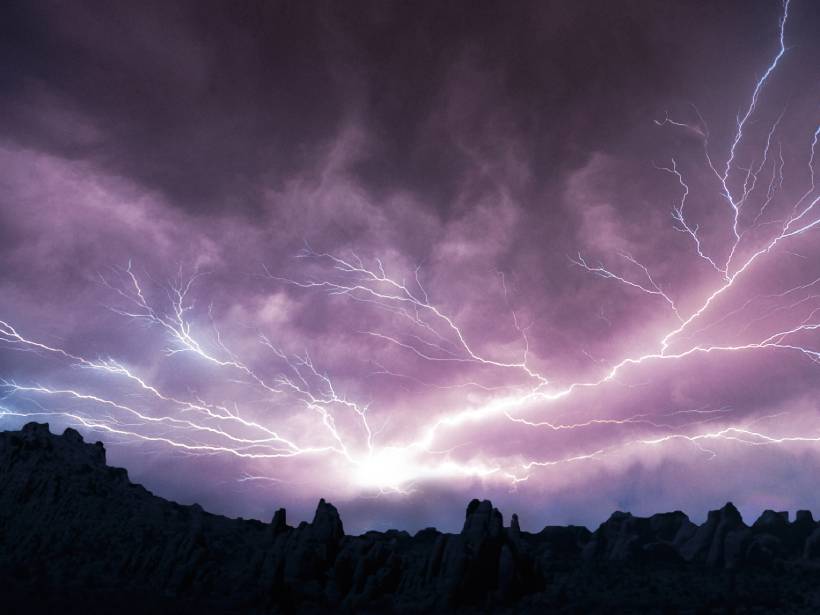
Lightning flashes over jagged cliffs
Posted inNews

Arctic Lightning Up 300% in One 11-Year Study

Katherine Kornei, Science Writer by Katherine Kornei 26 March 20212 September 2022

The increase may be due to climate change, researchers suggest, but the trend hasn’t been observed in other lightning data sets.

Posts pagination

Newer posts 1 … 158 159 160 161 162 … 344 Older posts
Over a dark blue-green square appear the words Special Report: The State of the Science 1 Year On.

Features from AGU Publications

Research Spotlights

Measuring Deep-Ocean Oxygen with Microscopic Magnetic Fossils

15 October 202615 October 2026
Editors' Highlights

Melting Permafrost Impacts Arctic Rivers in Vulnerable Regions

15 October 202615 October 2026
Editors' Vox

Where Fire Ends, Chemistry Begins

30 September 202630 September 2026
Eos logo at left; AGU logo at right

About Eos
ENGAGE
Awards
Contact

Advertise
Submit
Career Center
Sitemap

© 2026 American Geophysical Union. All rights reserved Powered by Newspack