


Jupiter’s volcanic moon is captured in exquisite detail by an instrument atop a mountain in Arizona.
Research Spotlights
Research spotlights are plain-language summaries of recent articles published in AGU’s suite of 24 journals.

Posted inResearch Spotlights
Studying the Mystery of Uranus’s Curiously Weak Radiation Belts
The belts may not be weak at all—instead, they may be simply changing speed thanks to the planet’s asymmetric magnetic field.


Posted inResearch Spotlights
Investigadores desarrollan el primer presupuesto integral de gases de efecto invernadero de México

Un nuevo estudio profundiza en dos décadas de datos para crear una cuantificación integral de fuentes de carbono, metano y óxido de nitrógeno que podrían ayudar a guiar las políticas climáticas.

Posted inResearch Spotlights
In Hot Water and Beyond: Marine Extremes Escalate
A new study suggests marine life is increasingly faced with triple-threat events in which extreme water temperature, low oxygen levels, and acidification converge.

Posted inResearch Spotlights
Fifty-Three Experts Weigh in on the Global Methane Budget

A survey of experts revealed that uncertainty in estimates of global methane levels stems largely from data on fresh water, vegetation, and coastal areas.
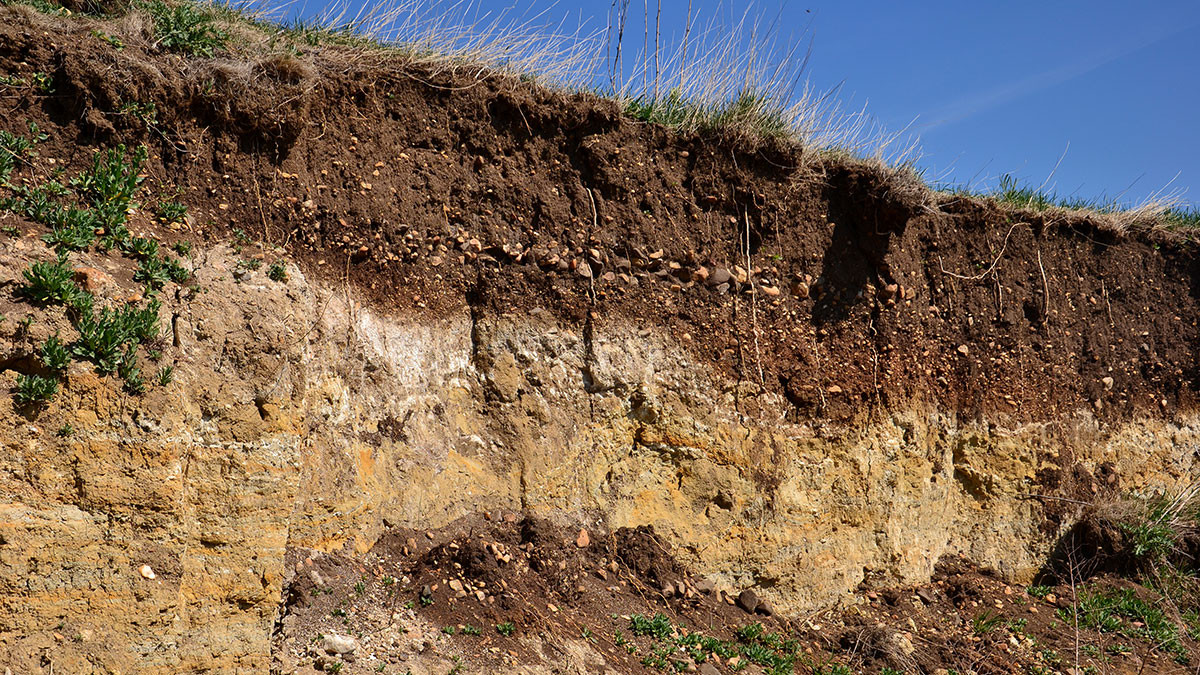

Posted inResearch Spotlights
Radioactive Isotopes Trace Hidden Arctic Currents
Tracing anthropogenic radionuclides shows researchers how water from the Atlantic flows into and mingles with Arctic currents.
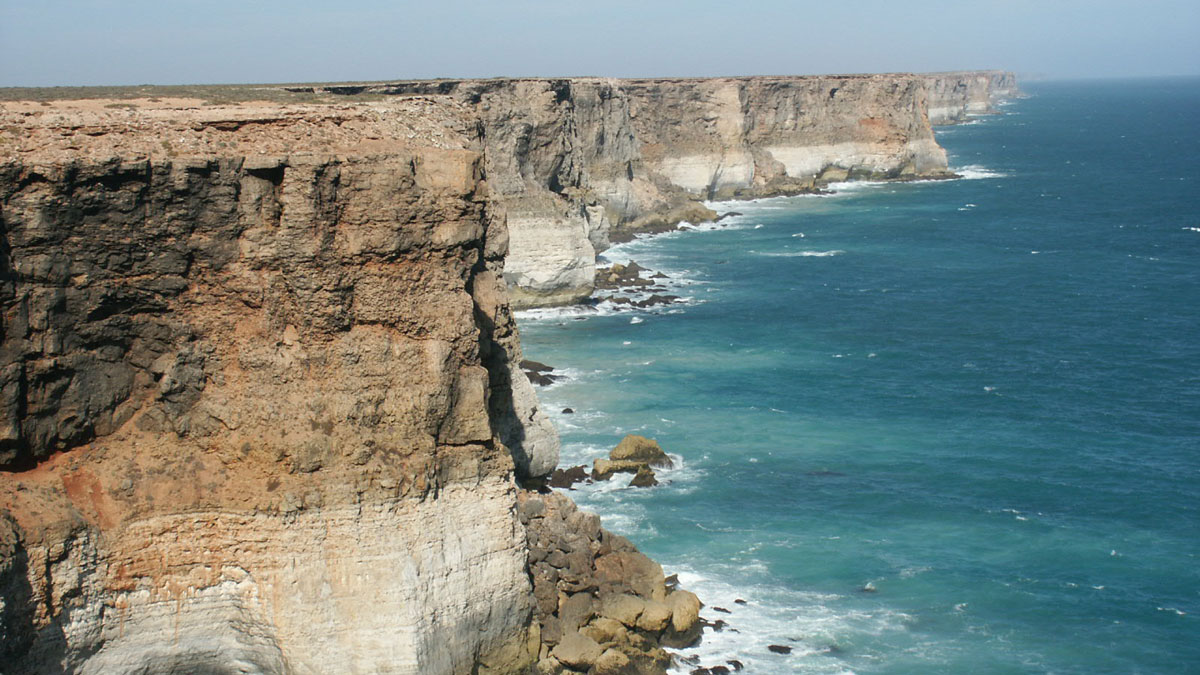
Posted inResearch Spotlights
Cómo los movimientos del manto dan forma a la superficie terrestre
Dos nuevos conjuntos de datos ayudan a los investigadores a separar las influencias de la tectónica de placas y el movimiento del manto en la topografía de la superficie.

Posted inResearch Spotlights
What Happens in the Troposphere Doesn’t Stay in the Troposphere
A new study suggests that spillover of tropospheric ozone is affecting measurements of stratospheric ozone recovery more than previously realized.