


Investigadores encontraron una manera eficaz para producir un comportamiento de fallas natural en el laboratorio.
Research Spotlights
Research spotlights are plain-language summaries of recent articles published in AGU’s suite of 24 journals.

Posted inResearch Spotlights
Expecting the Unexpected Could Help Us Prepare for Climate Extremes

A new paper argues that too little consideration of high-impact, low-likelihood events has left us unprepared for the worst of climate change.

Posted inResearch Spotlights
在土卫二上寻找生命:我们应该问些什么问题?

在冰冷的海洋世界中,建立在有机化学进化理论基础上的研究框架,可能会比仅仅寻找生命存在的直接证据,带来更深刻的见解。

Posted inResearch Spotlights
How Tiny Cracks Lead to Large-Scale Faults
Researchers could soon gain new insights into fault development in Earth’s brittle crust, thanks to a computational approach that harnesses experimental observations of microscale rock damage.
Posted inResearch Spotlights
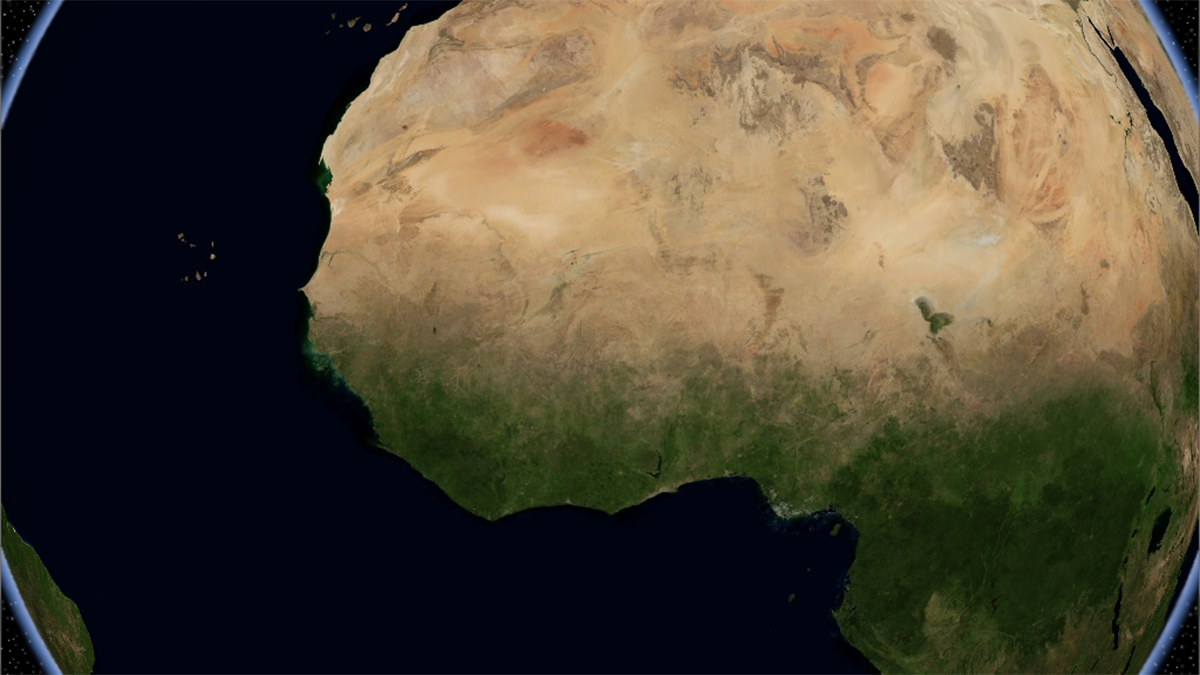
Ancient Crustal Weaknesses Contribute to Modern Earthquakes in West Africa
Researchers dive into the mechanisms and stresses that trigger earthquakes along the passive margin and interior of the continent.

Posted inResearch Spotlights
Seals Help Scientists Make Discoveries in Antarctica’s Bellingshausen Sea
By analyzing hydrographic information gathered by seals and an undersea glider, researchers found new meltwater currents, as well as a new seafloor trough.

Posted inResearch Spotlights
Tsunami Sands Help Scientists Assess Cascadia Earthquake Models
With evidence from new sediment cores, researchers tested the performance of various models of the 1700 CE megathrust earthquake.
Posted inResearch Spotlights
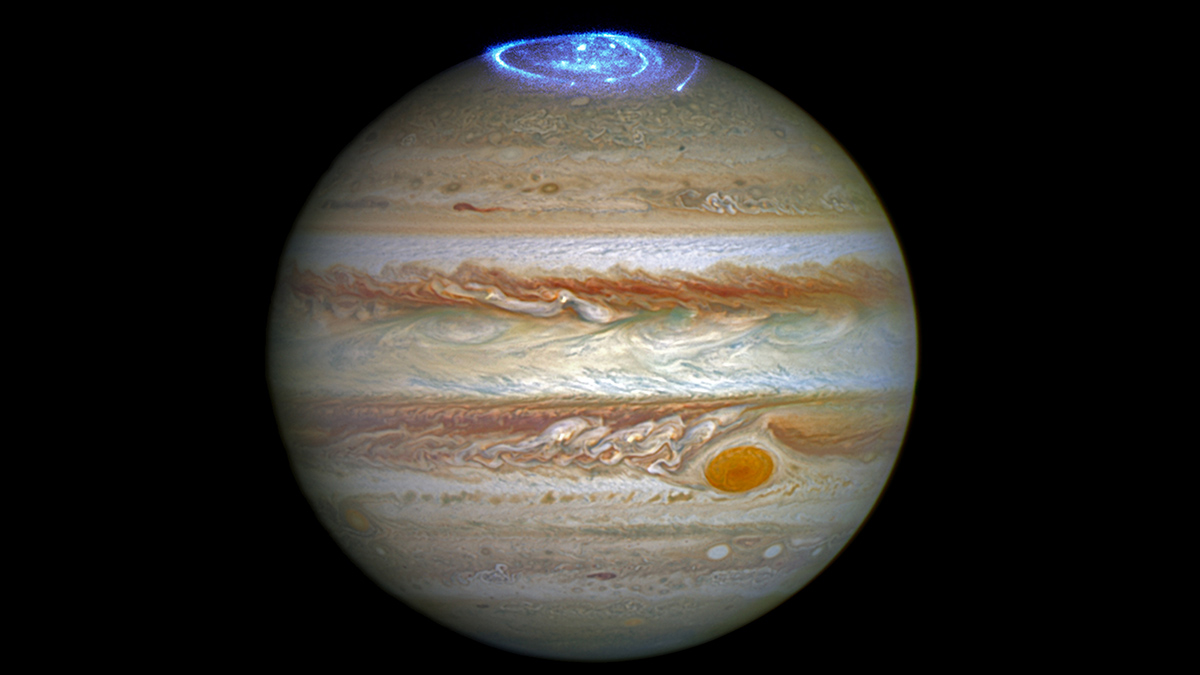
Jupiter’s Magnetosphere Has a Semi-Open Relationship with the Solar Wind
Computer simulations and data from NASA’s Juno mission reveal information about the relationship between solar wind and Jupiter’s massive magnetosphere.
Posted inResearch Spotlights
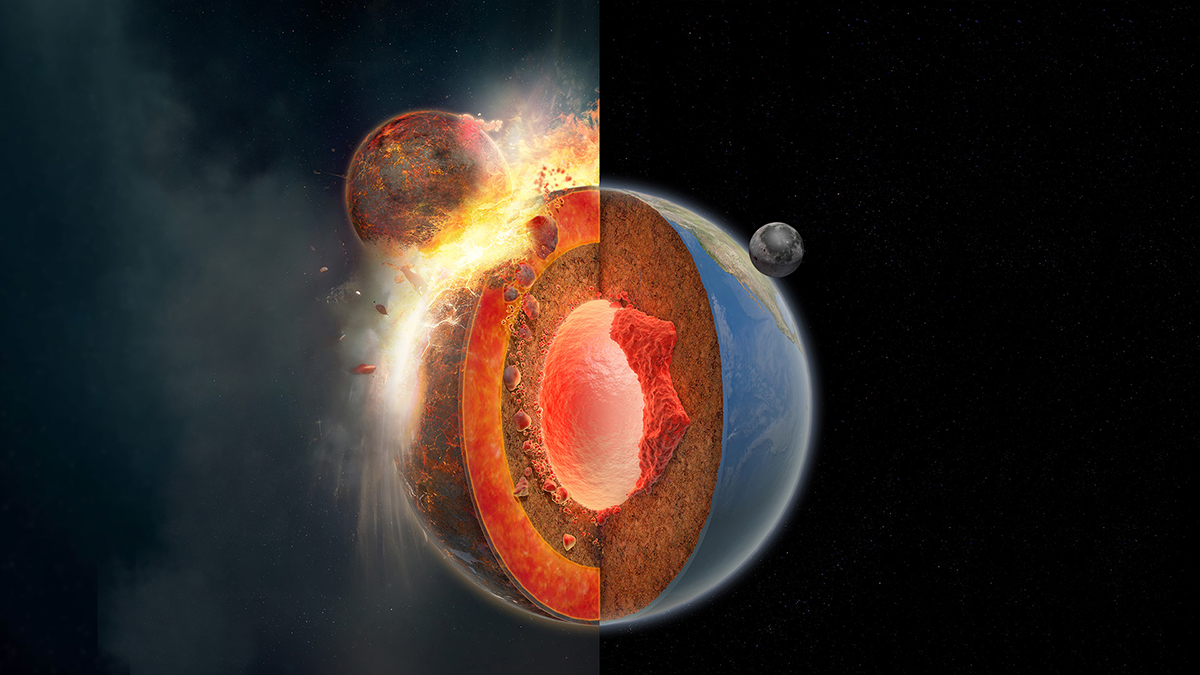
Earth’s Subduction May Have Been Triggered by the Same Event That Formed the Moon

The giant impact that formed the Moon may also have led to extrastrong mantle plumes that enabled the first subduction event, kick-starting Earth’s unique system of sliding plates.