

Examining the role of stable metal isotopes in biological activities such as photosynthesis provides a promising new avenue of research into how coral responds to environmental stressors.
Research Spotlights
Research spotlights are plain-language summaries of recent articles published in AGU’s suite of 24 journals.

Posted inResearch Spotlights
Climate Models Often Miss How Plants Respond to Drought
New research suggests that Earth system models are underestimating the effect of low moisture levels on plants’ abilities to exchange carbon, water, and energy with the atmosphere.

Posted inResearch Spotlights
High Water Levels Cause Problems for Mississippi Shipping
Source: Geophysical Research Letters Droughts’ effect on the navigability of rivers is well documented: During the summer and fall of 2022, barges in the Mississippi River were left stranded, raising concerns about increased shipping costs for key products. Between 2015 and 2019, barges carried an average of 400 million tons of goods along the Mississippi […]

Posted inResearch Spotlights
Comparing Carbon-Trapping Capacities of Anoxic Basins
Low-oxygen regions in the ocean could be prime spots for sequestering biomass—a potential strategy for fighting climate change. But each site has its pros and cons.

Posted inResearch Spotlights
Scientists Model What’s Moving Beneath Earth’s Surface

A 3D printed model of a fault served as the setting for a hydrofracturing experiment exploring the mechanisms behind slow earthquakes.
Posted inResearch Spotlights
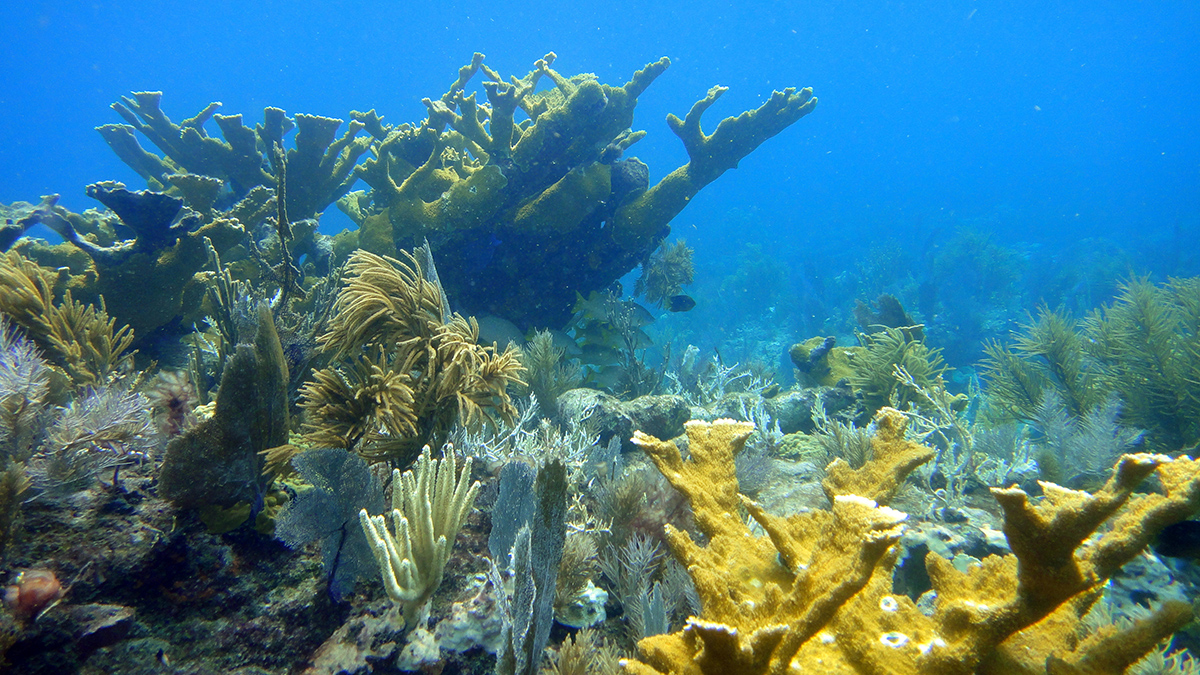
Shallow Seawater Chemistry May Make Reefs More Resistant to Ocean Acidification

Research from the Florida Keys reveals geographic and seasonal variation in the effects of acidification on corals.

Posted inResearch Spotlights
Measuring Methane Stemming from Tree Stems
Wetland tree stem emissions have emerged as a significant contributor to the global methane budget. A new study tracks how they vary by season, location, and hydrological conditions.


Posted inResearch Spotlights
Glaciers Rise and Fall—and Melt—with Tides
The effect of ocean water creeping beneath Greenland ice is stronger than scientists realized.