• About
  • Special Reports
  • Topics
    • Climate
    • Earth Science
    • Oceans
    • Space & Planets
    • Health & Ecosystems
    • Culture & Policy
    • Education & Careers
    • Opinions
  • Projects
    • Postcards From the Field
    • ENGAGE
    • Editors’ Highlights
    • Editors’ Vox
    • Eos en Español
    • Eos 简体中文版
    • Print Archive: 2015–2025
  • Policy Tracker
  • Blogs
    • Research & Developments
    • The Landslide Blog
  • Newsletter
  • Submit to Eos
  • AGU.org
  • Career Center
  • Join AGU
  • Give to AGU
  • About
  • Special Reports
  • Topics
    • Climate
    • Earth Science
    • Oceans
    • Space & Planets
    • Health & Ecosystems
    • Culture & Policy
    • Education & Careers
    • Opinions
  • Projects
    • Postcards From the Field
    • ENGAGE
    • Editors’ Highlights
    • Editors’ Vox
    • Eos en Español
    • Eos 简体中文版
    • Print Archive: 2015–2025
  • Policy Tracker
  • Blogs
    • Research & Developments
    • The Landslide Blog
  • Newsletter
  • Submit to Eos
Skip to content
  • AGU.org
  • Career Center
  • Join AGU
  • Give to AGU
Eos

Eos

Science News by AGU

Support Eos
Sign Up for Newsletter
  • About
  • Special Reports
  • Topics
    • Climate
    • Earth Science
    • Oceans
    • Space & Planets
    • Health & Ecosystems
    • Culture & Policy
    • Education & Careers
    • Opinions
  • Projects
    • Postcards From the Field
    • ENGAGE
    • Editors’ Highlights
    • Editors’ Vox
    • Eos en Español
    • Eos 简体中文版
    • Print Archive: 2015–2025
  • Policy Tracker
  • Blogs
    • Research & Developments
    • The Landslide Blog
  • Newsletter
  • Submit to Eos

Science Updates

A Pakistani farmer checks his cell phone for weather updates and irrigation water estimates.
Posted inScience Updates

Growing More with Less Using Cell Phones and Satellite Data

by F. Hossain, N. Biswas, M. Ashraf and A. Z. Bhatti 21 June 201719 October 2021

Researchers from the University of Washington and Pakistan are using 21st century technology to revive farming as a profitable profession in the Indus Valley.
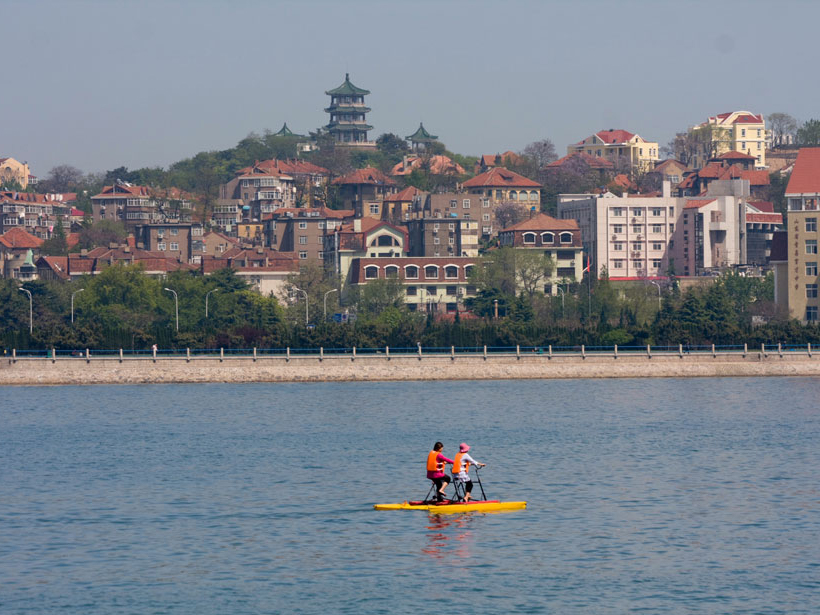
Paddleboaters enjoy a sunny day in Qingdao, China
Posted inScience Updates

Climate and Ocean Science Builds for the Future

by D. Stammer, Annalisa Bracco and V. Detemmerman 9 June 201710 March 2023

Second WCRP/CLIVAR Open Science Conference: Charting the Course for Climate and Ocean Research; Qingdao, China, 18–25 September 2016
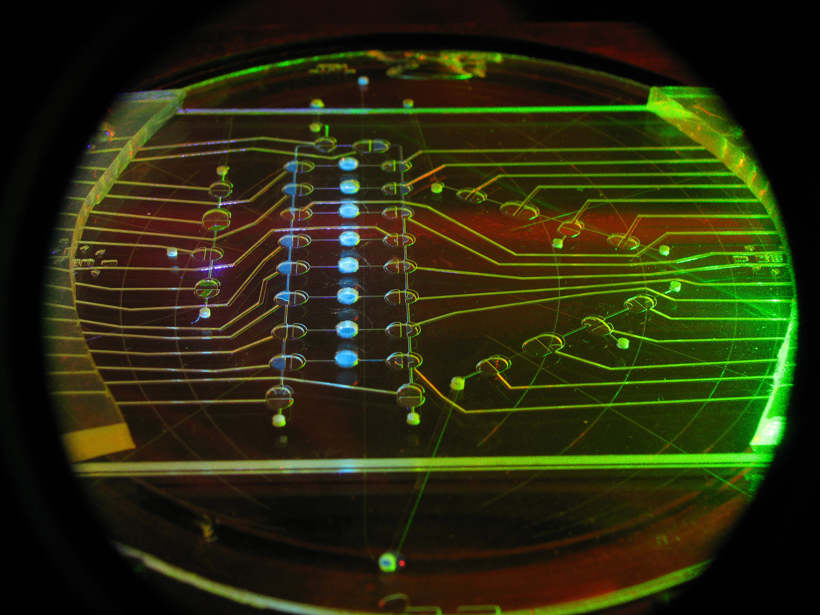
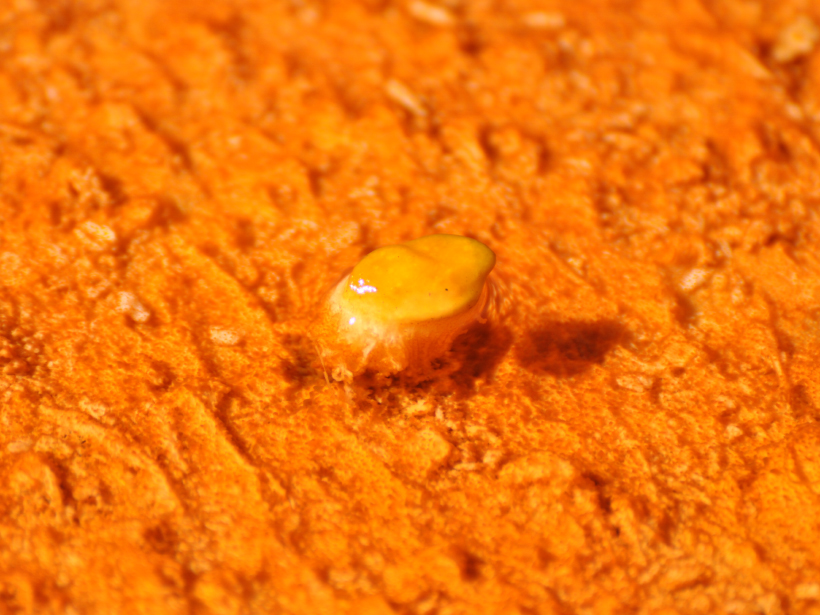
Laser-interrogated microfluidic chip, new planetary instrument technology to search for chemical indicators of life on other worlds.
Posted inScience Updates

Instrument Development Enables Planetary Exploration

by S. M. Feldman, D. Beaty and J. W. Ashley 8 June 201716 February 2022

Third International Workshop on Instrumentation for Planetary Missions; Pasadena, California, 24–27 October 2016

A sonar-equipped drone boat, deployed into acid crater lake Laguna Caliente, in Costa Rica’s Poás volcano.
Posted inScience Updates

An Autonomous Boat to Investigate Acidic Crater Lakes

by D. A. McFarlane, J. Lundberg, G. van Rentergem and C. J. Ramírez 5 June 201711 January 2022

A novel aquatic drone ventured into highly acidic waters to test the feasibility of remotely exploring and surveying hazardous volcanic lakes.
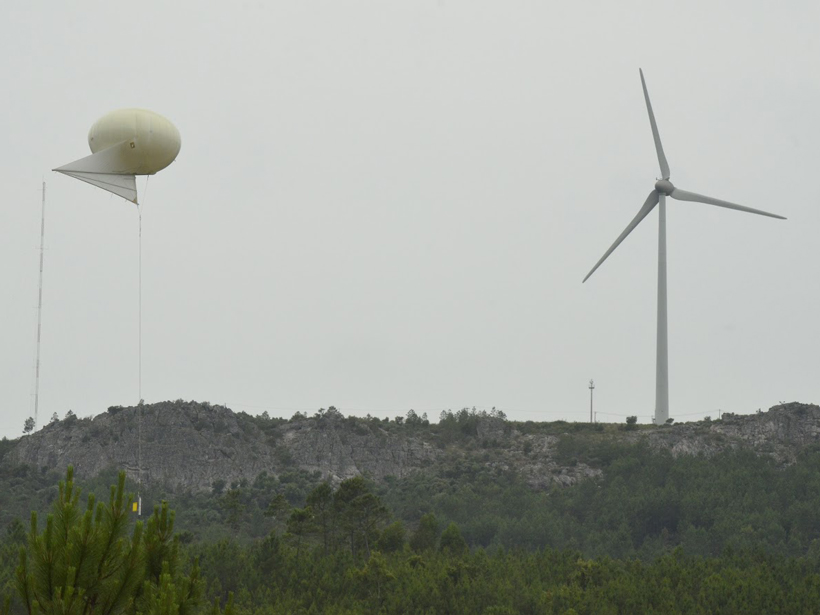
Tethered lifting system, turbine, and flux tower taken during fieldwork for project with a broad aim of measuring wind energy over Europe.
Posted inScience Updates

Monitoring Wind in Portugal’s Mountains Down to Microscales

by H. J. S. Fernando, J. K. Lundquist and S. Oncley 31 May 20177 October 2021

Researchers are now gathered for the Perdigão field campaign, an effort to study wind flow physics at scales down to tens of meters. The effort should help engineers harness wind energy in Europe.

A view of the northern part of Italy’s Lake Garda, taken from the surrounding mountains.
Posted inScience Updates

A Plunge into the Depths of Italy’s Lake Garda

by M. Toffolon, Sebastiano Piccolroaz and H. Dijkstra 30 May 201725 February 2022

First International Scientific Workshop on GARDEN (Lake Garda Environmental system); Trento, Italy, 2 February 2017

Salt tectonics at work in this snip of a new hi-res seafloor map of the Gulf of Mexico, made from oil and gas industry data.
Posted inScience Updates

A 1.4-Billion-Pixel Map of the Gulf of Mexico Seafloor

by K. V. Kramer and W. W. Shedd 24 May 201729 September 2021

The U.S. Bureau of Ocean Energy Management releases the highest-resolution bathymetry map of the region to date.

Members of the U.S. Navy repair a NOAA buoy in the Atlantic Ocean on 25 January 2008.
Posted inScience Updates

Deep Trouble! Common Problems for Ocean Observatories

by B. M. Howe and E. McRae 22 May 20179 February 2022

Ocean Observing Infrastructure and Sensing – Technical Lessons Learned and Best Practices; Moss Landing, California, 23–25 September 2016

Posted inScience Updates

Better Tools for Tracing the Thermal History of Rocks

by Peter Zeitler, R. Brown and P. Hackspacher 18 May 201723 February 2023

Thermo2016: The 15th International Conference on Thermochronology; Maresias, Brazil, 18–23 September 2016

For 17,000 years, rain has washed sediments down the slopes of New Zealand’s Southern Alps, depositing them in Lake Ohau.
Posted inScience Updates

Shifting Winds Write Their History on a New Zealand Lake Bed

by G. B. Dunbar, M. J. Vandergoes and R. H. Levy 16 May 201715 February 2023

A team of scientists finds a year-by-year record of climate history spanning the past 17,000 years at the bottom of a South Island lake.

Posts pagination

Newer posts 1 … 39 40 41 42 43 … 70 Older posts
Over a dark blue-green square appear the words Special Report: The State of the Science 1 Year On.

Features from AGU Publications

Research Spotlights

As Wildfires Increase in the West, So Does Suppression Spending

10 June 202610 June 2026
Editors' Highlights

A Snapshot of Continental Crust in the Making

17 June 202616 June 2026
Editors' Vox

Small-Scale Indian Ocean Dynamics Underpin Marine Ecology and Climate

4 June 20263 June 2026
Eos logo at left; AGU logo at right

About Eos
ENGAGE
Awards
Contact

Advertise
Submit
Career Center
Sitemap

© 2026 American Geophysical Union. All rights reserved Powered by Newspack