
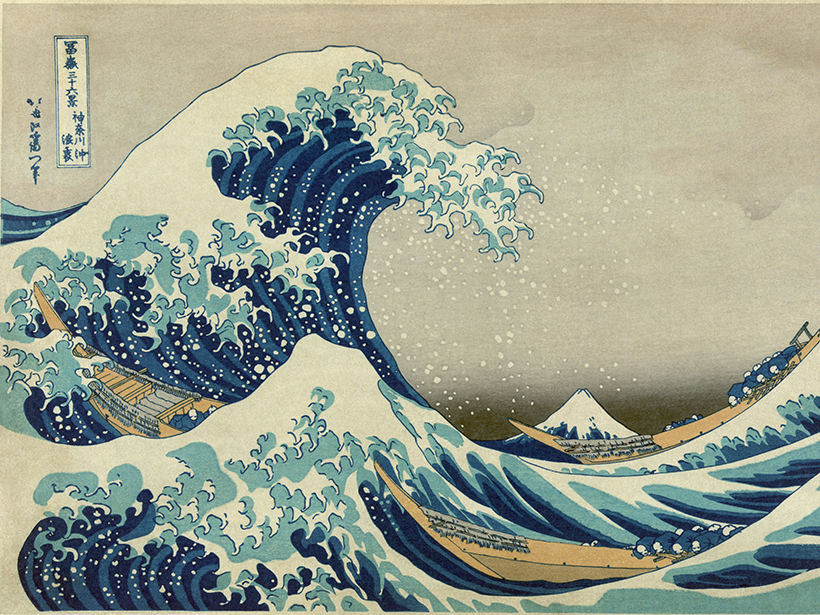
The Nonlinear Wave and Chaos Workshop 2017 (NWCW17); San Diego, California, 20–24 March 2017
CC BY 2017

Posted inOpinions
When Less Is More: Opening the Door to Simpler Climate Models
Earth system models are resource intensive and complex. To cut through this complexity, the Community Earth System Model project will now be embracing a hierarchy of simpler climate models.
Posted inScience Updates
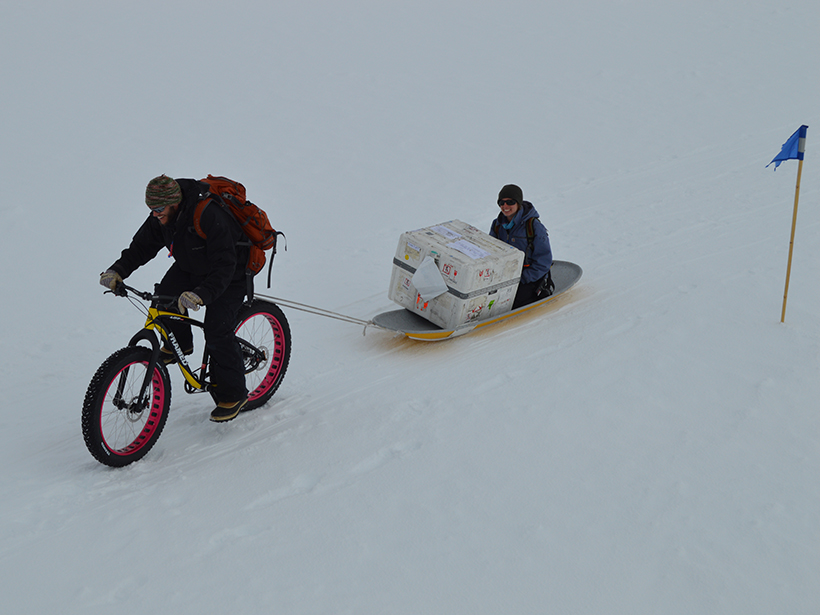
Envisioning and Sustaining Science at Summit Station, Greenland
Summit Station Science Summit; Arlington, Virginia, 28–29 March 2017

Posted inScience Updates
Coordinating and Communicating Carbon Cycle Research
2017 Joint NACP and AmeriFlux Principal Investigators Meeting; Bethesda, Maryland, 27–30 March 2017
Posted inOpinions
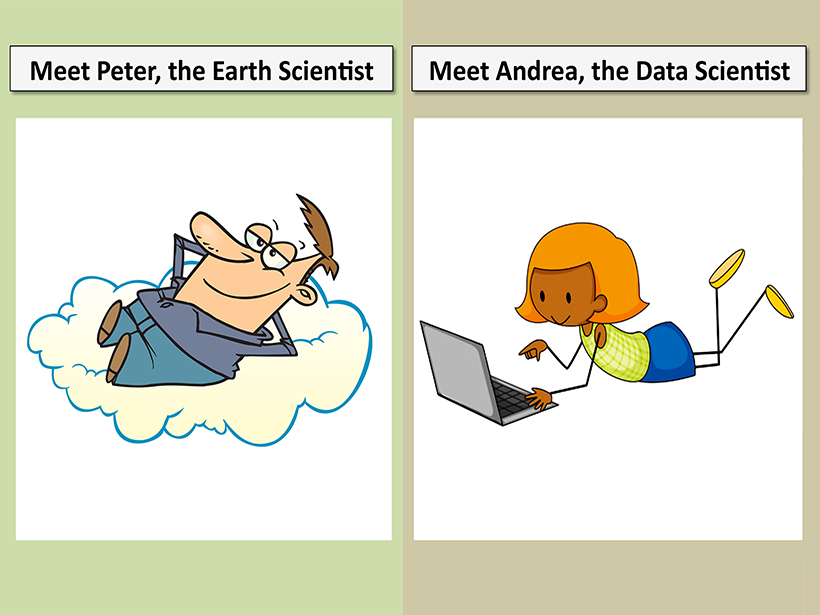
Three Steps to Successful Collaboration with Data Scientists
A step-by-step cartoon guide to efficient, effective collaboration between Earth scientists and data scientists.

Posted inScience Updates
Giovanni: The Bridge Between Data and Science
Using satellite remote sensing data sets can be a daunting task. Giovanni, a Web-based tool, facilitates access, visualization, and exploration for many of NASA’s Earth science data sets.
Posted inScience Updates
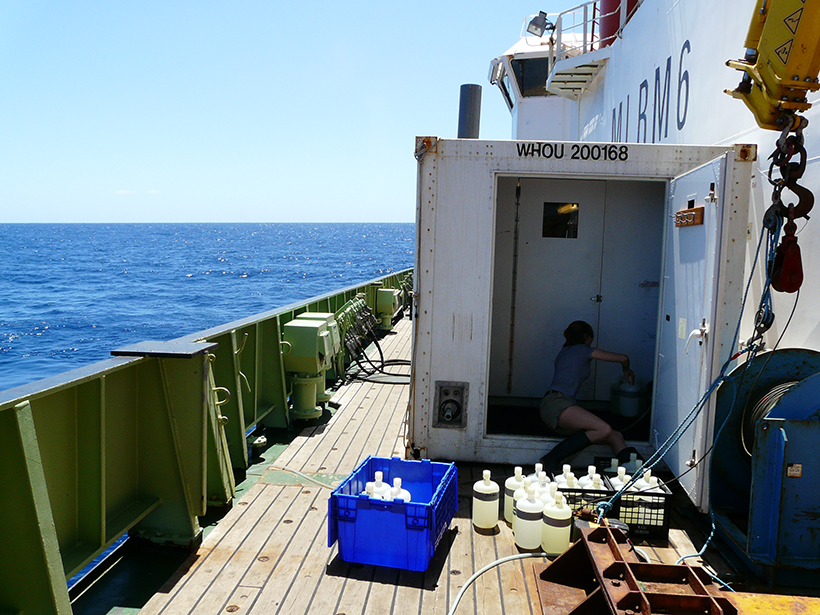
Tracing Carbon’s Fate in the Ocean
Improving the Application of Radionuclides in Studies of the Carbon Cycle and the Impact of Ocean Acidification; Monaco, 19–21 October 2016
Posted inNews
O. Walter Lennartsson (1943–2017)
A pioneering leader in unraveling the complex plasma interactions that drive the dynamics of Earth’s magnetosphere and other space plasma environments.

Posted inScience Updates
Tracking River Flows from Space
Satellite observations, combined with algorithms borrowed from river engineering, could fill large gaps in our knowledge of global river flows where field data are lacking.
Posted inScience Updates
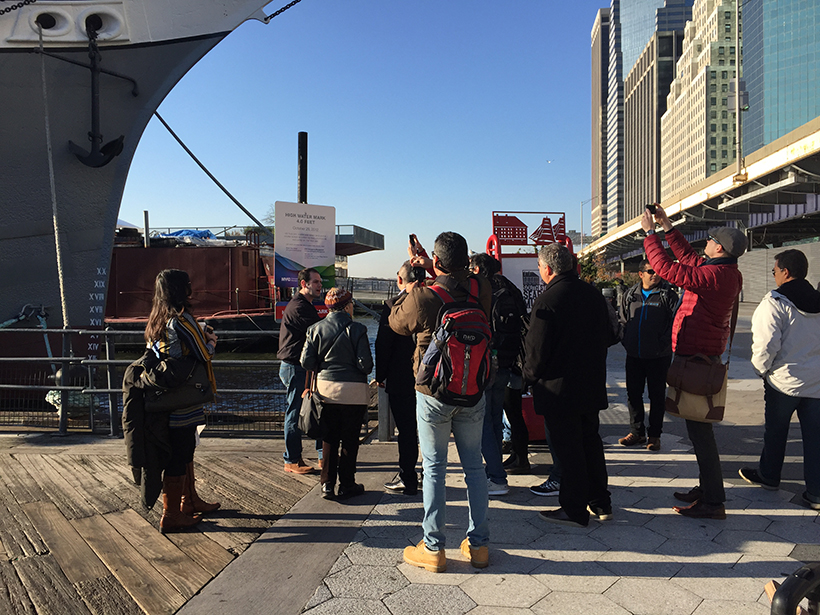
Cities Partner to Prepare for Natural Hazards and Climate Change
NASA-Rio-UCCRN Workshop on Sea Level Rise, Urban Heat Islands, and Water Quality; New York, 14–16 November 2016