
Should members of the American Geophysical Union “walk their talk” by cutting carbon emissions related to meeting travel?
CC BY 2017

Posted inScience Updates
Incorporating Observatory Data into Oceanography Courses
OOI Teaching with Data Workshops; New Brunswick, New Jersey, 19–21 May 2017 (chemistry) and 2–4 June 2017 (geology)
Posted inScience Updates
Ocean Circulation, Carbon Cycling During the Last Deglaciation
Past Global Changes (PAGES) OC3 Working Group second workshop on Ocean Circulation and Carbon Cycling during Last Deglaciation: Regional Synthesis of Carbon Isotopes Data; Corvallis, Oregon, 27–29 June 2017
Posted inScience Updates
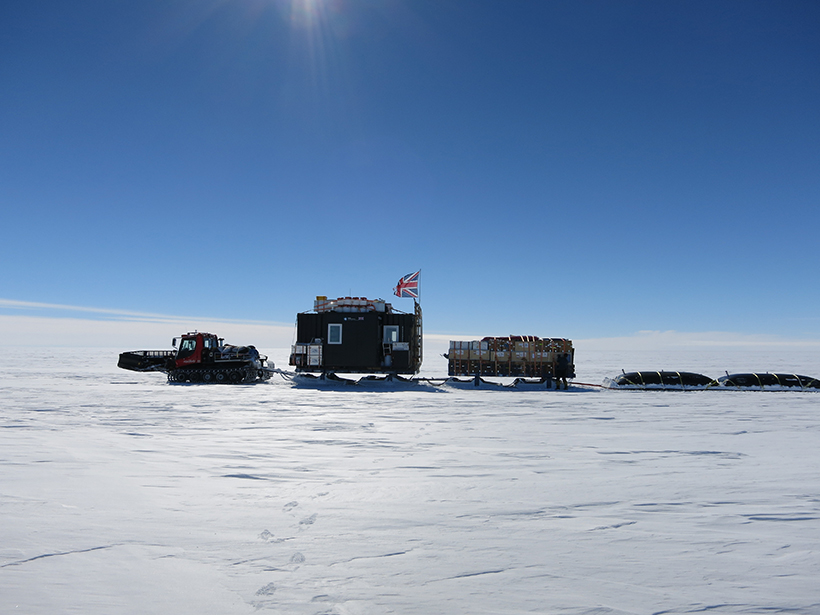
Pine Island Glacier and Ice Sheet Stability in West Antarctica
The iSTAR Programme Science Integration Meeting; Leeds, United Kingdom, 18–19 May 2017
Posted inScience Updates
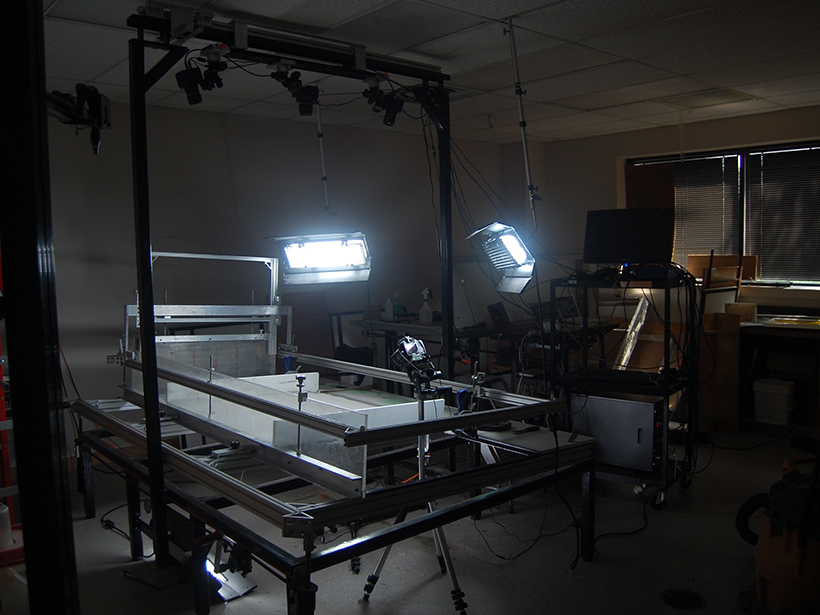
Analog Modeling Recreates Millions of Years in a Few Hours
Second Workshop on Analog Modeling of Tectonic Processes; Austin, Texas, 17–19 May 2017

Posted inOpinions
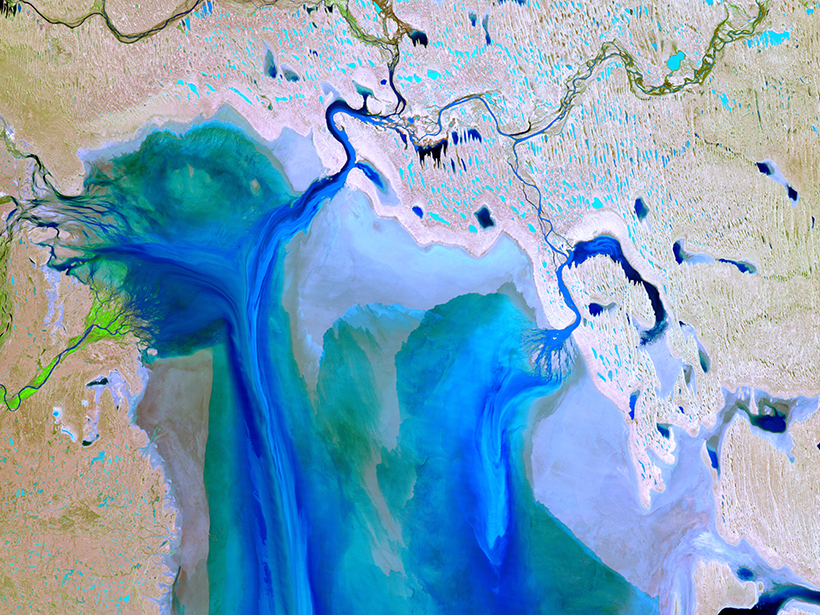
Monitoring Coastal Zone Changes from Space
The resilience of coastal communities depends on an integrated, worldwide coastal monitoring effort. Satellite observations provide valuable data on global to local scales.
Posted inScience Updates
Observing Life near the Ocean’s Surface with Satellites
Third International Ocean Colour Science (IOCS) Meeting; Lisbon, Portugal, 15–19 May 2017
Posted inScience Updates
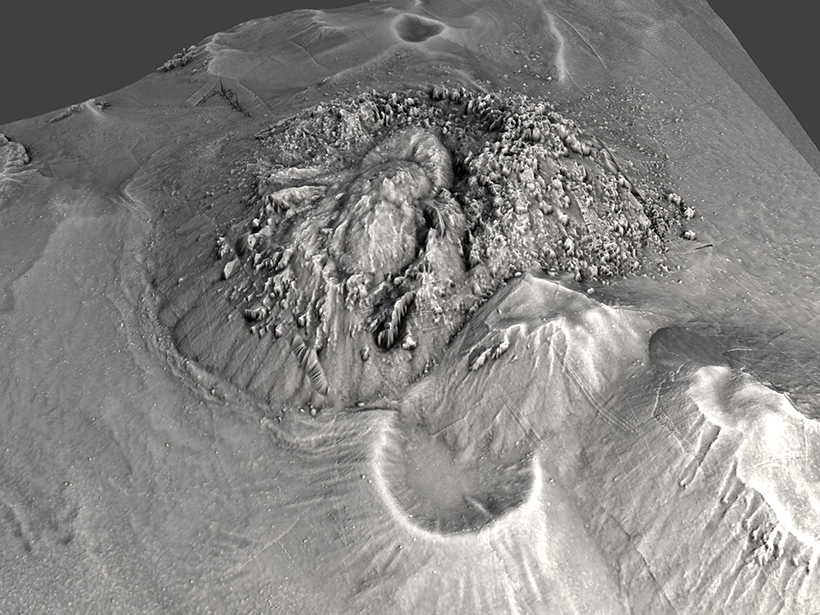
New Frontiers and Technologies in Submarine Volcanism Research
AGU Chapman Conference on Submarine Volcanism: New Approaches and Research Frontier; Hobart, Tasmania, Australia, 29 January to 3 February 2017
Posted inScience Updates
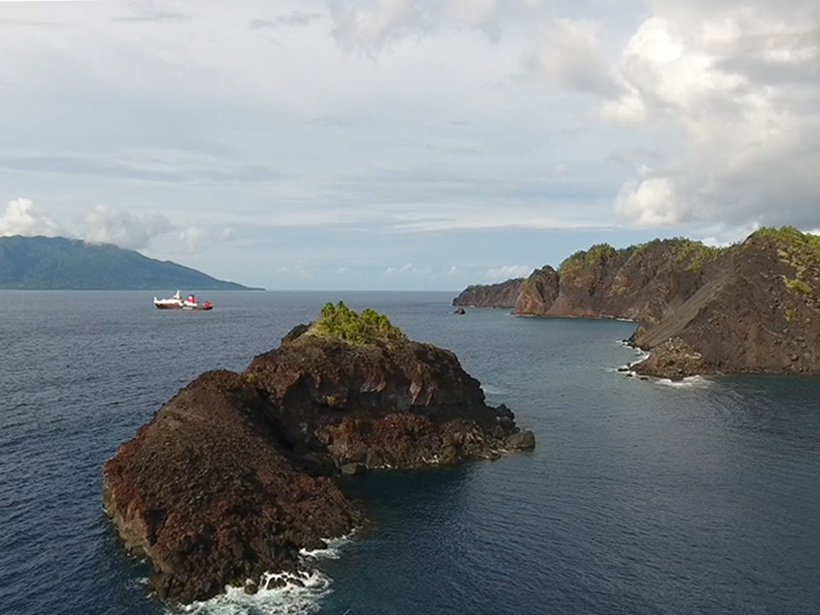
An 1888 Volcanic Collapse Becomes a Benchmark for Tsunami Models
When volcanic mountains slide into the sea, they trigger tsunamis. How big are these waves, and how far away can they do damage? Ritter Island provides some answers.
Posted inScience Updates
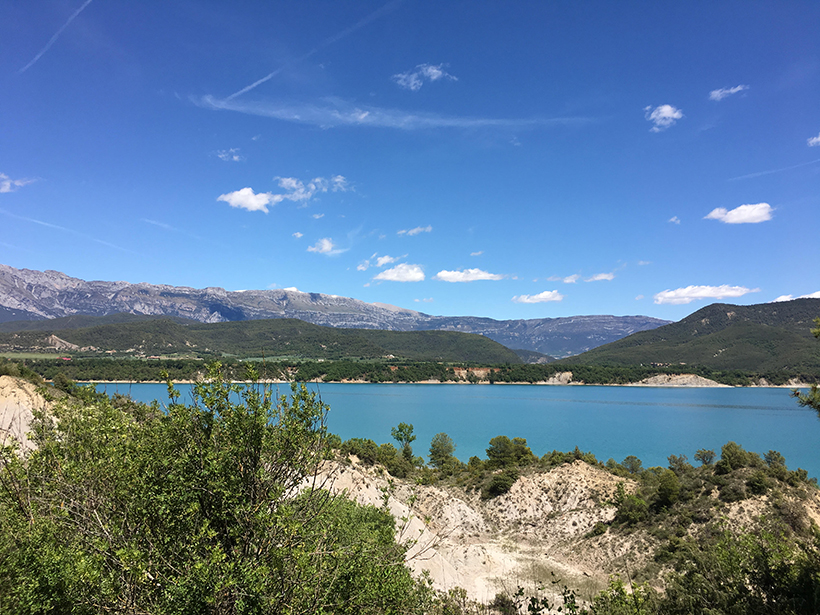
Early-Career Scientists Discuss Paleoscience, Future Challenges
3rd PAGES Young Scientists Meeting; Morillo de Tou, Spain, 7–9 May 2017