
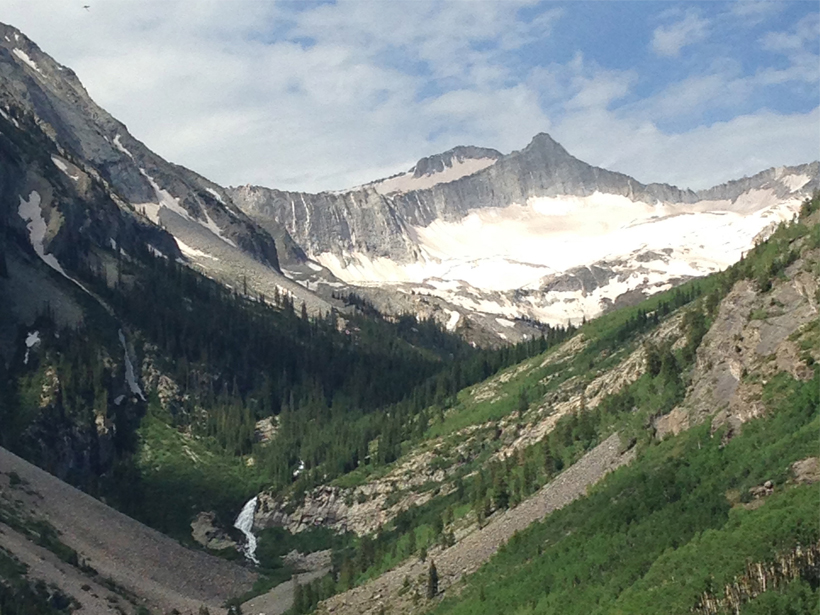
Assessment of ecosystem services—the benefits society receives from ecosystems—can be improved by including broader spatial and temporal scales of geosciences perspectives.
CC-BY-NC 2016

Posted inNews
Quake or Bomb? Seismic Waves Speak Truth, Even If Nations Don't

When the Earth rumbles and no one knows why, seismologists can analyze the seismic event's waveforms to determine whether a hidden explosion or an earthquake caused the shaking.
Posted inNews
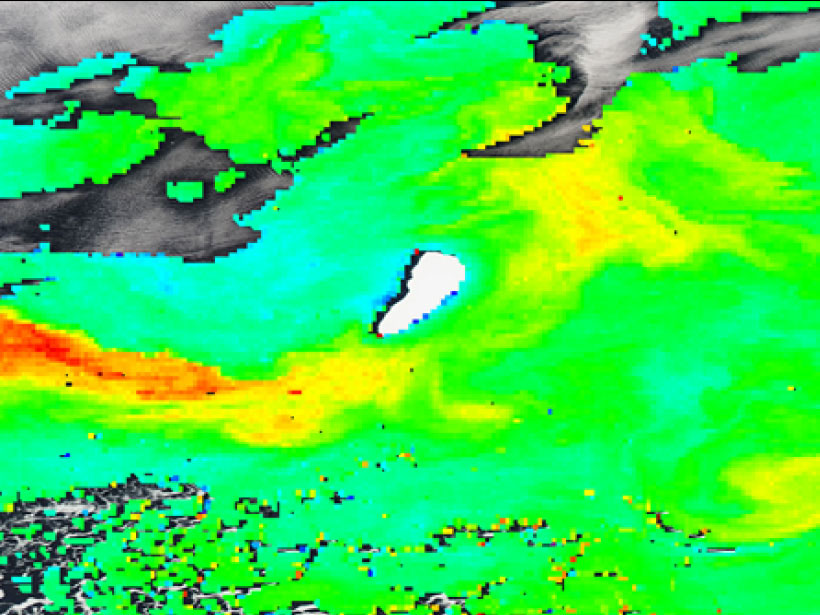
Icebergs Fertilize Southern Ocean, Sequester Carbon

Huge, drifting ice rafts (the white spot on the satellite image below ) shed minerals as they melt, painting trails of nutrients, teeming phytoplankton, and chlorophyll across hundreds of kilometers of ocean.
Posted inResearch Spotlights
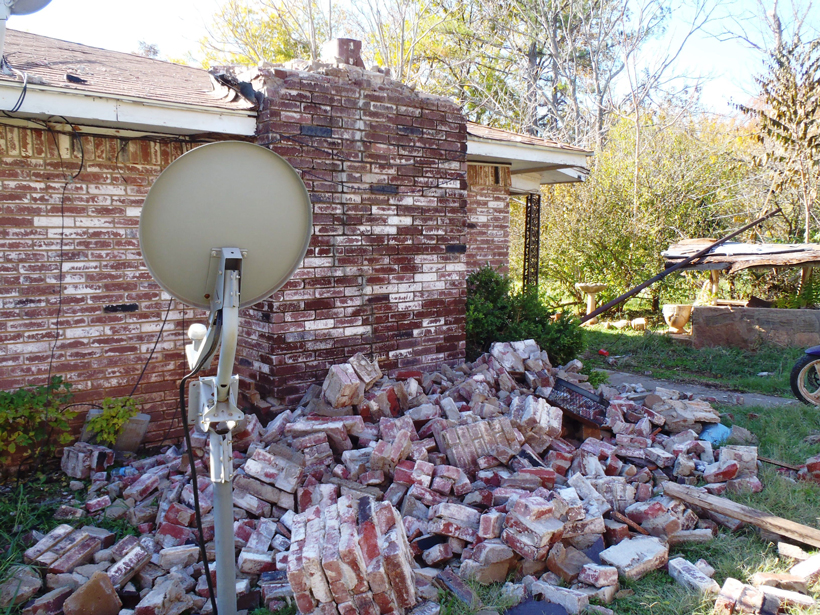
Oklahoma's Dormant Faults Hide Huge Seismic Risk Potential

Researchers look at induced seismicity data in Oklahoma to spot an increase of stress in faults that could cause even more damage than recent quakes.
Posted inResearch Spotlights
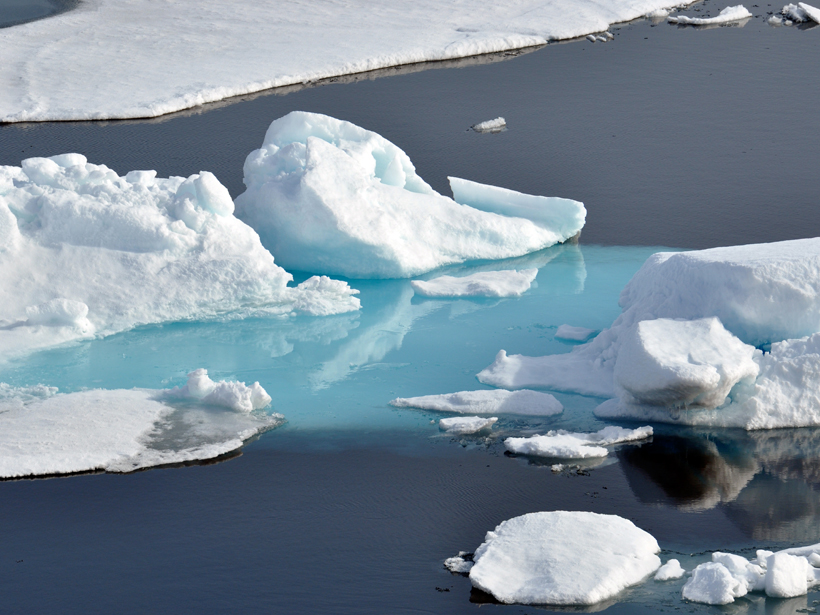
Arctic Tides Drive Water Mixing and Sea Ice Loss
Researchers model ice-ocean interaction to study how tides can influence Arctic Ocean circulation and sea ice volume.

Posted inNews
Obama Says Combating Climate Change Aids Earth and U.S. Economy

In his seventh and final State of the Union address, President Obama touts alternative-energy gains during his tenure, urges a quicker shift from fossil fuels, and mocks climate change skeptics.
Posted inScience Updates
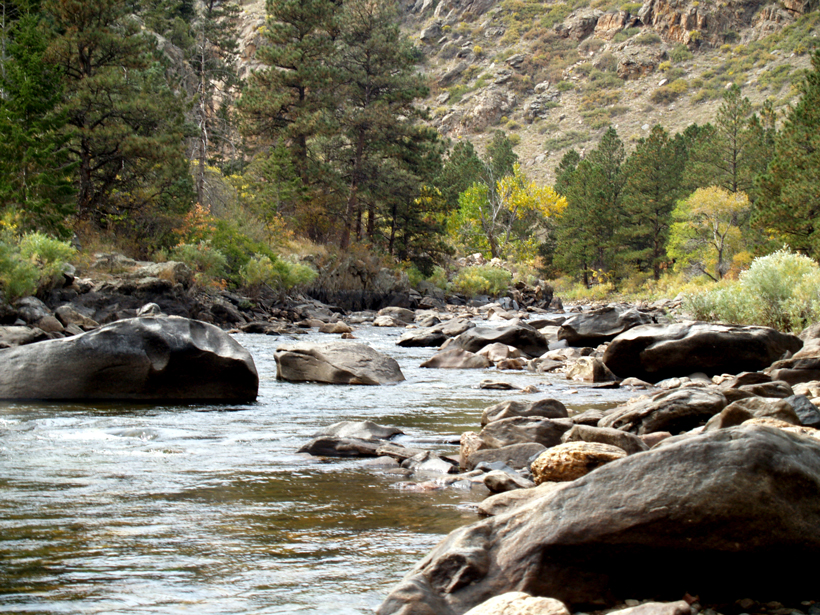
Water Resources in a Changing Climate
Hydrology Days 2015; Fort Collins, Colorado, 23–25 March 2015
Posted inAGU News
Richard C. J. Somerville Receives 2015 Climate Communication Prize
Richard C. J. Somerville was awarded the 2015 Climate Communication Prize at the American Geophysical Union (AGU) Fall Meeting Honors Ceremony, held on 16 December 2015 in San Francisco, Calif. The Climate Communication Prize is funded by Nature's Own, a purveyor of fossils, minerals, and handcrafted jewelry in Boulder, Colo. The prize honors an "AGU member-scientist for the communication of climate science, and highlights the importance of promoting scientific literacy, clarity of message, and efforts to foster respected and understanding of science-based values as they relate to the implications of climate change."

Posted inNews
What Caused the Sudden Heating of Uranus's Atmosphere?
A recently observed temperature reversal on Uranus may offer a clue to a long-standing mystery: Why are the upper atmospheres of gas giants so hot?
Posted inNews
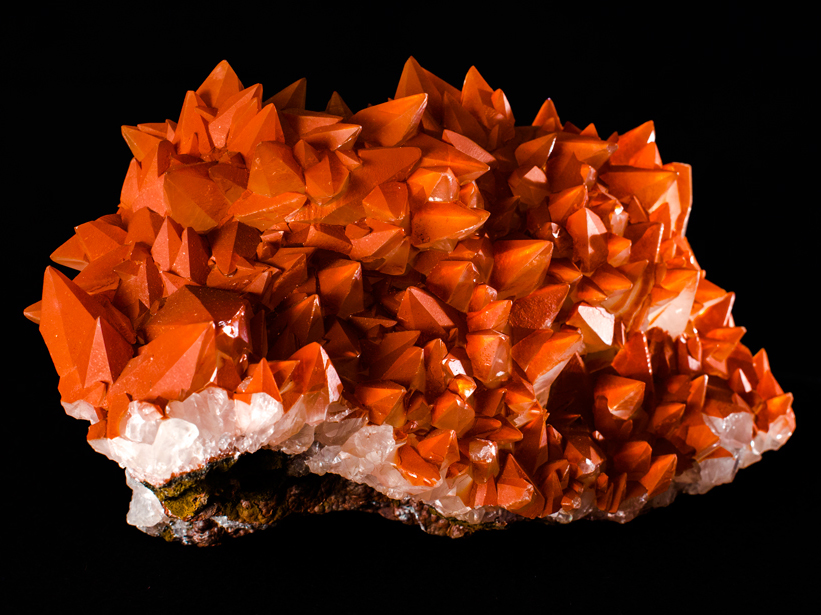
New NOVA TV Show Explores Coevolution of Rocks and Life
Mineralogist Robert Hazen and other scientists probe connections between living organisms and rocks in "Life's Rocky Start," which premieres tonight on PBS stations around the United States.