• About
  • Special Reports
  • Topics
    • Climate
    • Earth Science
    • Oceans
    • Space & Planets
    • Health & Ecosystems
    • Culture & Policy
    • Education & Careers
    • Opinions
  • Projects
    • Postcards From the Field
    • ENGAGE
    • Editors’ Highlights
    • Editors’ Vox
    • Eos en Español
    • Eos 简体中文版
    • Print Archive: 2015–2025
  • Policy Tracker
  • Blogs
    • Research & Developments
    • The Landslide Blog
  • Newsletter
  • Submit to Eos
  • AGU.org
  • Career Center
  • Join AGU
  • Give to AGU
  • About
  • Special Reports
  • Topics
    • Climate
    • Earth Science
    • Oceans
    • Space & Planets
    • Health & Ecosystems
    • Culture & Policy
    • Education & Careers
    • Opinions
  • Projects
    • Postcards From the Field
    • ENGAGE
    • Editors’ Highlights
    • Editors’ Vox
    • Eos en Español
    • Eos 简体中文版
    • Print Archive: 2015–2025
  • Policy Tracker
  • Blogs
    • Research & Developments
    • The Landslide Blog
  • Newsletter
  • Submit to Eos
Skip to content
  • AGU.org
  • Career Center
  • Join AGU
  • Give to AGU
Eos

Eos

Science News by AGU

Support Eos
Sign Up for Newsletter
  • About
  • Special Reports
  • Topics
    • Climate
    • Earth Science
    • Oceans
    • Space & Planets
    • Health & Ecosystems
    • Culture & Policy
    • Education & Careers
    • Opinions
  • Projects
    • Postcards From the Field
    • ENGAGE
    • Editors’ Highlights
    • Editors’ Vox
    • Eos en Español
    • Eos 简体中文版
    • Print Archive: 2015–2025
  • Policy Tracker
  • Blogs
    • Research & Developments
    • The Landslide Blog
  • Newsletter
  • Submit to Eos

CC-BY-NC 2016

A visiting postdoc prepares for a high-pressure rock mechanics experiment in Texas A&M’s rock deformation laboratory.
Posted inOpinions

Laboratory Sharing to Improve Rock Deformation Research

by A. Kronenberg, G. Hirth, N. Lapusta, J. Chester, A. Freed, C. Marone and T. Tullis 29 November 20161 October 2021

An ever-growing group of scientists seeks to integrate rock deformation labs from across the United States into one shared national facility.

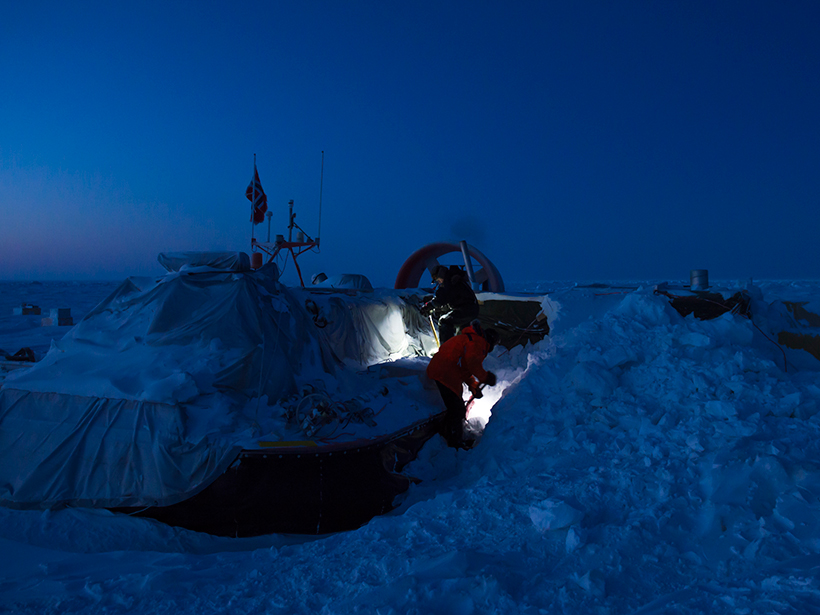
Hovercraft-based Arctic sea ice drift research station in February
Posted inScience Updates

Scientists Spend Arctic Winter Adrift on Sea Ice

by Y. Kristoffersen, A. Tholfsen, J. K. Hall and R. Stein 11 October 20169 August 2022

A hovercraft-based ice drift station gives researchers access to previously inaccessible regions of the changing Arctic sea ice cover off the coast of Greenland.
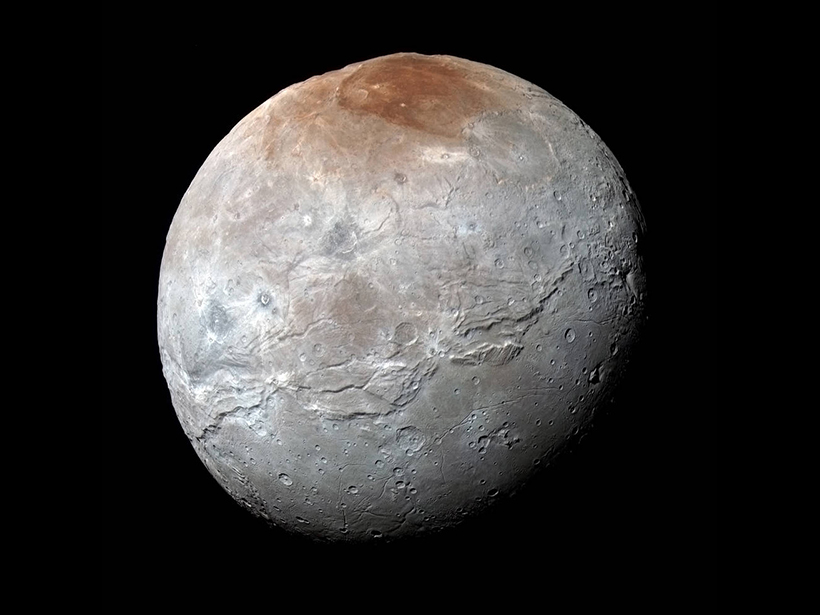
This image of Pluto’s moon Charon was captured by NASA’s New Horizons spacecraft as it approached Pluto on 14 July 2015.
Posted inNews

Scientists Solve Charon's Red Mystery

JoAnna Wendel, freelance science writer and illustrator by JoAnna Wendel 15 September 201625 October 2021

Why are Charon's poles dusted with reddish material?
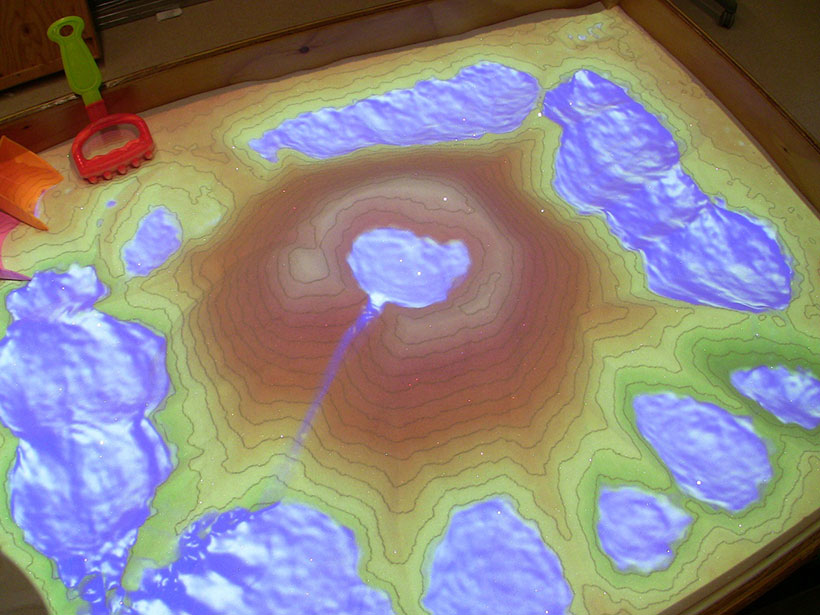
Overhead view of the AR Sandbox showing augmented reality—contour lines and virtual water projected on sand "landforms."
Posted inScience Updates

Augmented Reality Turns a Sandbox into a Geoscience Lesson

by S. Reed, S. Hsi, O. Kreylos, M. B. Yikilmaz, L. H. Kellogg, S. G. Schladow, H. Segale and L. Chan 26 July 20168 March 2022

Superimposing responsive digital effects onto sand in a sandbox places educators, students, and policy makers in an augmented reality, offering a hands-on way to explore geoscience processes.
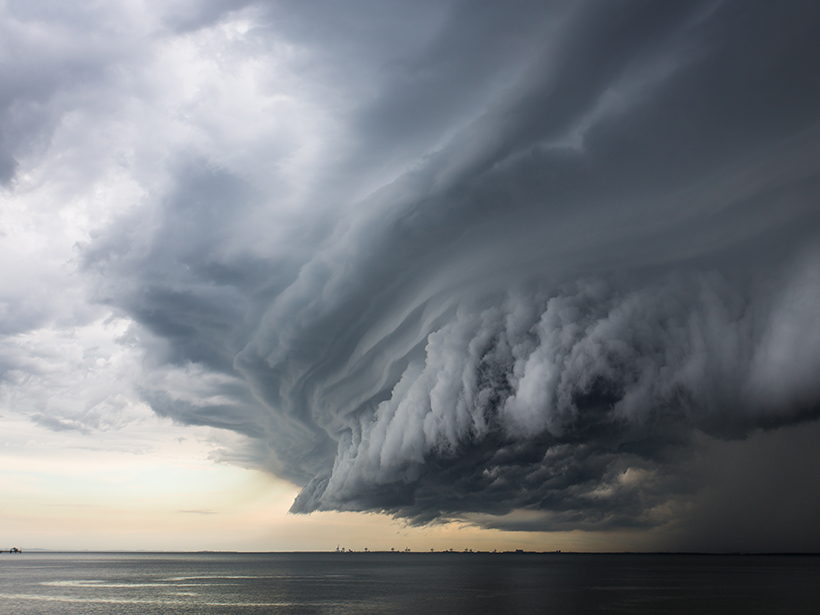
In this image of a supercell storm, the enormous atmospheric variability across scales can be seen with the naked eye.
Posted inScience Updates

Characterizing Climate Fluctuations over Wide-Scale Ranges

by S. Lovejoy, M. Crucifix and A. de Vernal 14 July 20167 October 2022

Scale and Scaling in the Climate System; Jouvence, Quebec, Canada, 5–7 October 2015
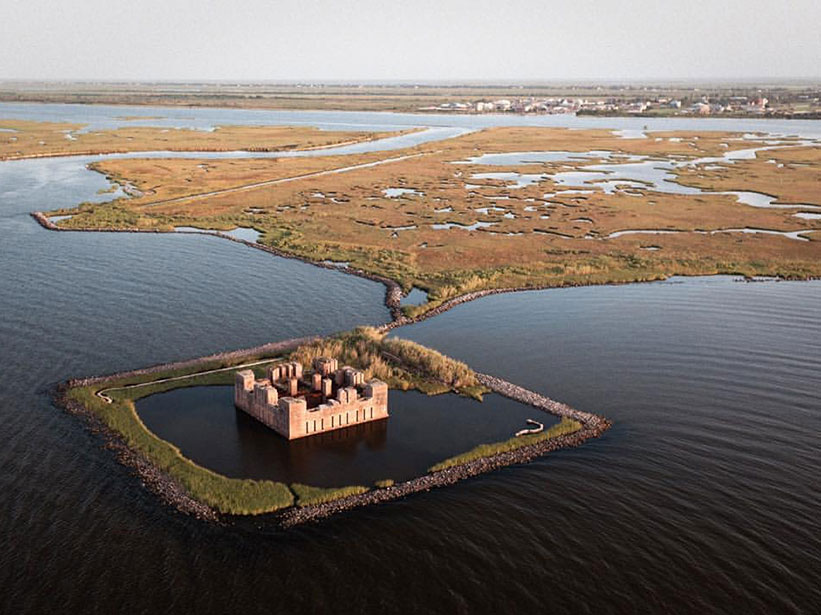
Ruins of Fort Beauregard are partially submerged in lake Borgne.
Posted inFeatures

Global Risks and Research Priorities for Coastal Subsidence

by M. Allison, B. Yuill, T. Törnqvist, F. Amelung, T. H. Dixon, G. Erkens, R. Stuurman, Cathleen Jones, G. Milne, M. Steckler, J. Syvitski and P. Teatini 13 July 201627 October 2022

Some of the world's largest cities are sinking faster than the oceans are rising. Humans are part of the problem, but we can also be part of the solution through monitoring and modeling.
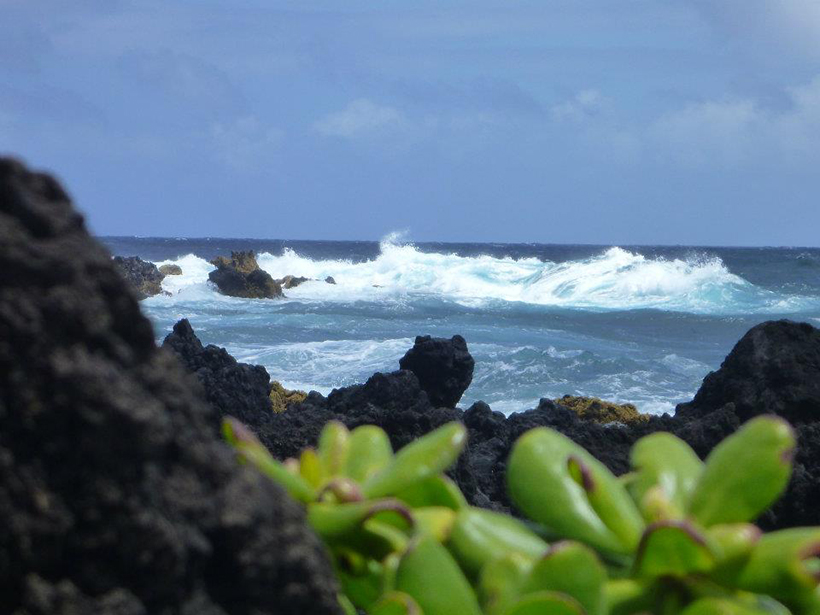
Waves on the Pacific Ocean seen from Maui, Hawaii
Posted inScience Updates

Closing the Pacific Rainfall Data Void

by E. E. Wright, J. R. P. Sutton, N. T. Luchetti, M. C. Kruk and J. J. Marra 7 July 201615 February 2023

A new climatology tool uses satellite data to map precipitation in a data-sparse region of the Pacific Ocean.
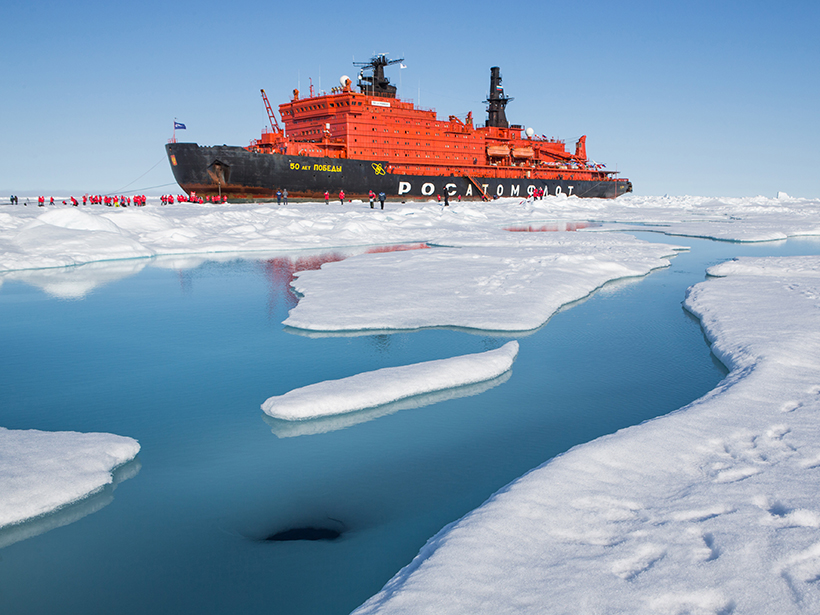
Citizen scientists examine melt pond at North Pole.
Posted inScience Updates

Citizen Scientists Train a Thousand Eyes on the North Pole

by L. Farmer, A. Cowan, J. K. Hutchings and D. Perovich 30 June 201631 March 2023

During expedition cruises, tourists participate in collecting scientific data and contribute to ongoing observations of sea ice conditions in the Arctic.
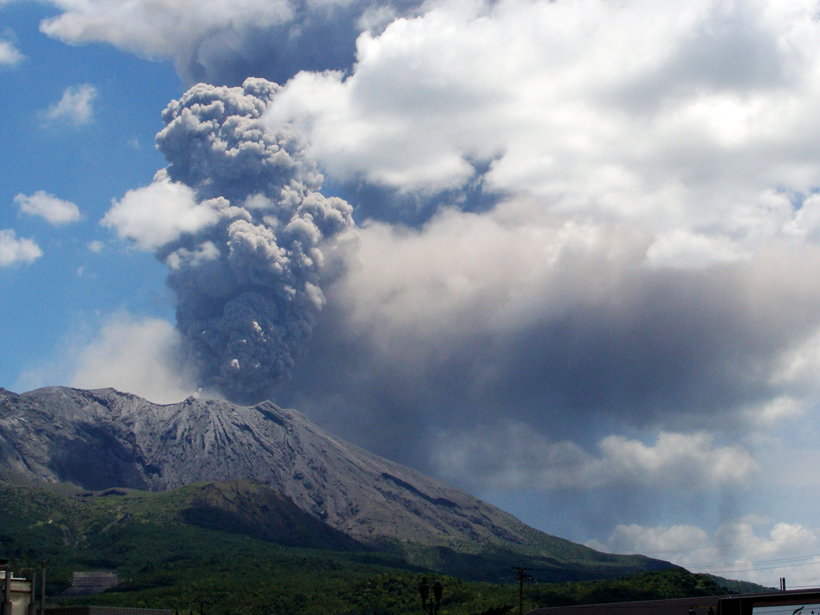
18 July 2013 eruption of Sakurajima volcano in Japan.
Posted inResearch Spotlights

Japan's Volcanic History, Hidden Under the Sea

by W. Yan 24 June 20166 December 2021

Scientists investigate marine tephra layers for clues to Japan's volcanic past.

: An Ocean Observatories Initiative (OOI) inshore surface mooring is deployed in June 2015 off the coast of Newport, Oreg.
Posted inScience Updates

Ocean Observatories Initiative Expands Coastal Ocean Research

by R. W. Fulweiler, G. Gawarkiewicz and K. A. Davis 20 June 201616 August 2016

OOI Coastal Arrays Community Workshop; Washington, D. C., 5–7 January 2016

Posts pagination

1 2 3 … 24 Older posts
Over a dark blue-green square appear the words Special Report: The State of the Science 1 Year On.

Features from AGU Publications

Research Spotlights

How Much Will Western Wildfires Worsen Under Warming?

15 May 202615 May 2026
Editors' Highlights

A Digital Twin for Arctic Permafrost Beneath Roads

8 May 202612 May 2026
Editors' Vox

The Impact of Advocacy: American Geophysical Union’s Days of Action

14 May 202613 May 2026
Eos logo at left; AGU logo at right

About Eos
ENGAGE
Awards
Contact

Advertise
Submit
Career Center
Sitemap

© 2026 American Geophysical Union. All rights reserved Powered by Newspack