

Allowing data to be reused and research results to be replicated fosters innovation, high-quality research, and public trust in science.
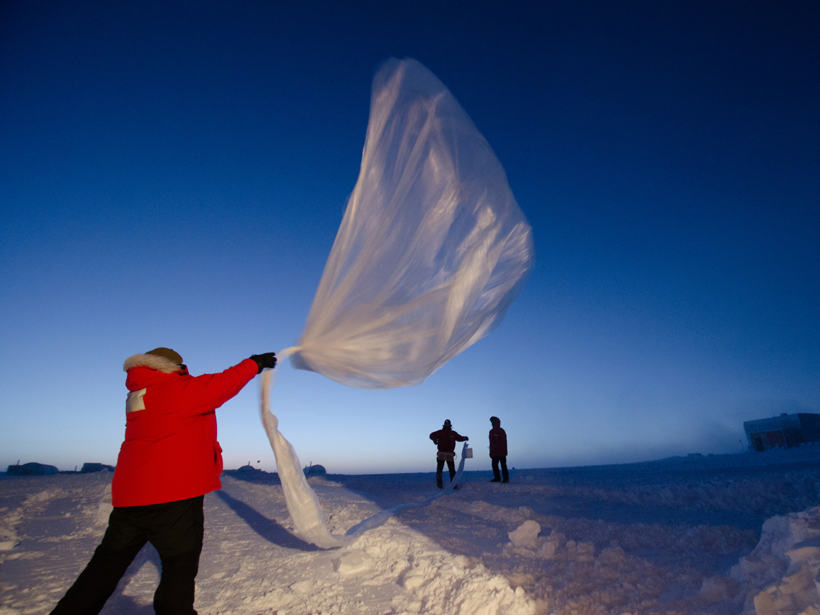
CC-BY-NC 2016
Posted inNews
NOAA's 2017 Budget Would Support Observational Infrastructure

The Obama administration's budget request includes funding for an initiative to vastly boost the number of water-monitoring sites used to forecast floods, droughts, and other hydrological impacts.

Posted inResearch Spotlights
Gamma Ray Bursts Leave Their Mark in the Low Ionosphere

Scientists use very low and low-frequency radio signals to detect short gamma ray bursts and their impact on the low ionosphere.
Posted inResearch Spotlights
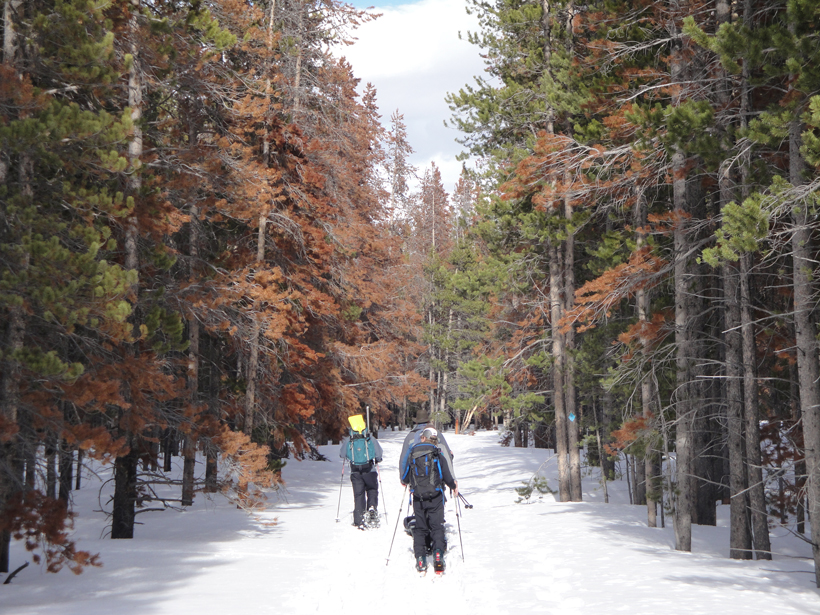
Bark Beetles Cause Big Tree Die-Offs, but Streams Flow Steadily
Recent beetle epidemics have driven tree die-offs across North America, and previous studies predicted an increase in annual streamflow would follow—but a new study shows this may not be the case.

Posted inResearch Spotlights
At the Intersection of Ice and Water

Scientists observe ice dynamics in water-terminating glaciers around the world to better understand how the process of subaqueous melt drives ice loss.

Posted inScience Updates
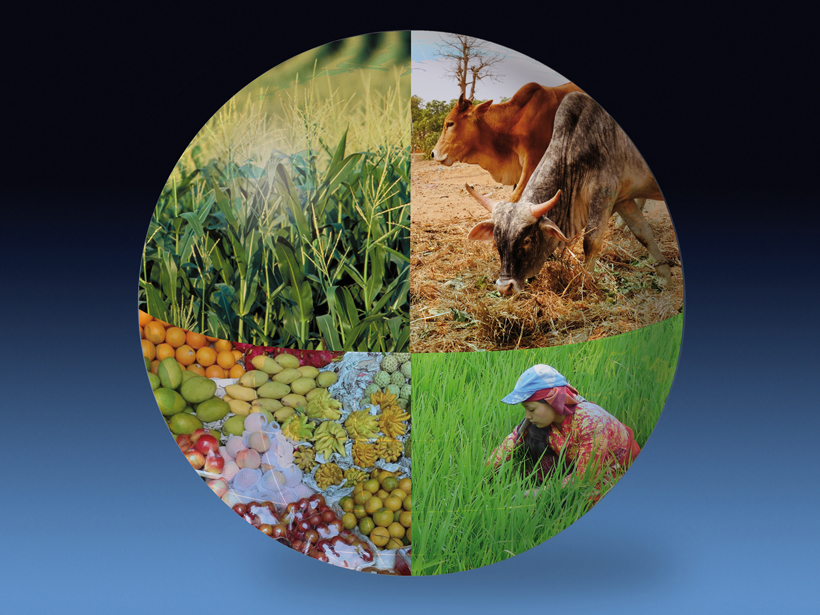
Assessing Impacts of Climate Change on Food Security Worldwide
AgMIP Workshop on Coordinated Global and Regional Integrated Assessments of Climate Change and Food Security; Aspen, Colorado, 13–18 September 2015

Posted inScience Updates
Planetary Caves' Role in Astronaut Bases and the Search for Life
2nd International Planetary Caves Conference; Flagstaff, Arizona, 20–23 October 2015

Posted inNews
Faster-Merging Snow Crystals Speed Greenland Ice Sheet Melting
Satellite data and modeling reveal a trend toward coarser-grained, more-light-absorbent snow.
Posted inResearch Spotlights
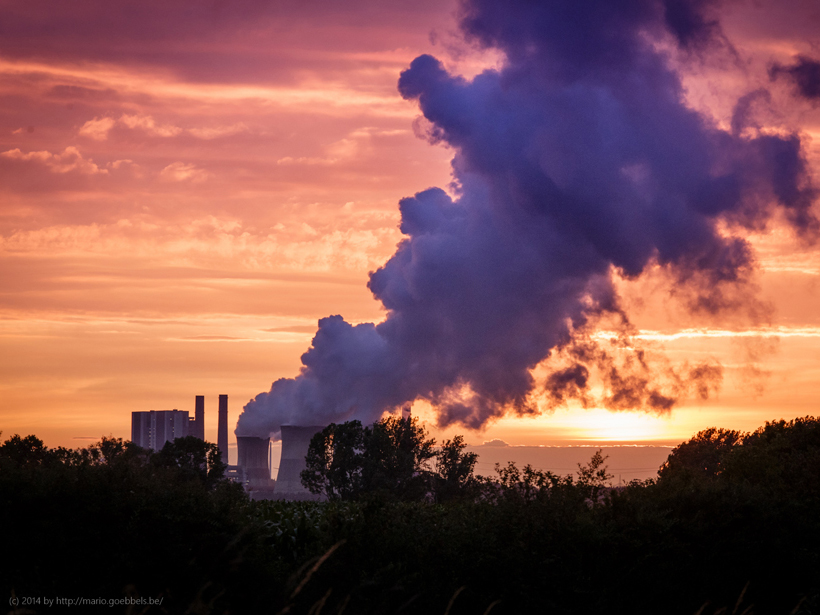
The High Cost of Switching Power Sources
Researchers construct a world where nuclear energy everywhere is replaced with coal, with stark consequences for human health and the environment.