


Two traditions fall to the wayside as the U.S. National Academy of Sciences selects its first woman ever as president and, in choosing her, elevates its second consecutive geoscientist to the helm.
CC-BY-NC 2016
Posted inResearch Spotlights
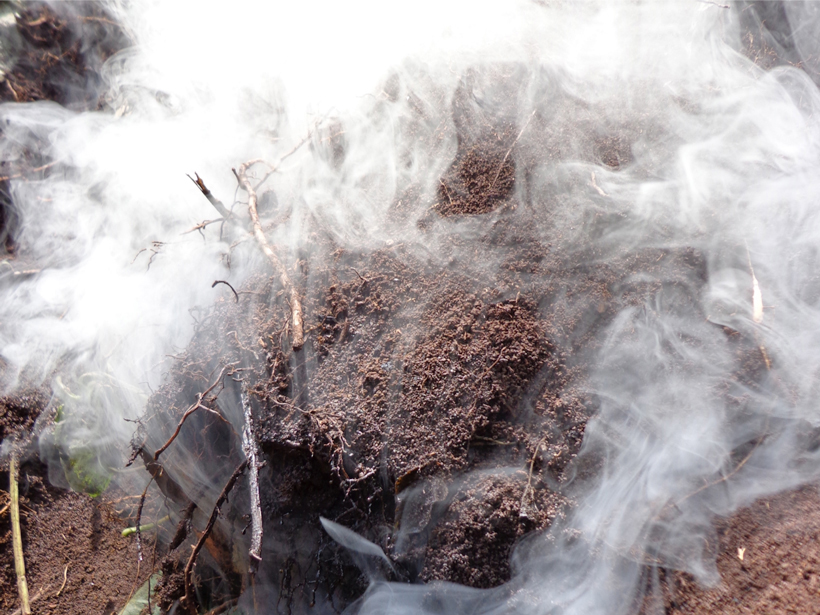
Soil Loses Pyrogenic Carbon by an Unexpected Pathway
Fresh insight into pyrogenic carbon disappearance suggests that erosion is not responsible.
Posted inResearch Spotlights
Are Earthquakes Predictable?

Researchers have been searching for precursory warning signals for decades with little success.
Posted inResearch Spotlights
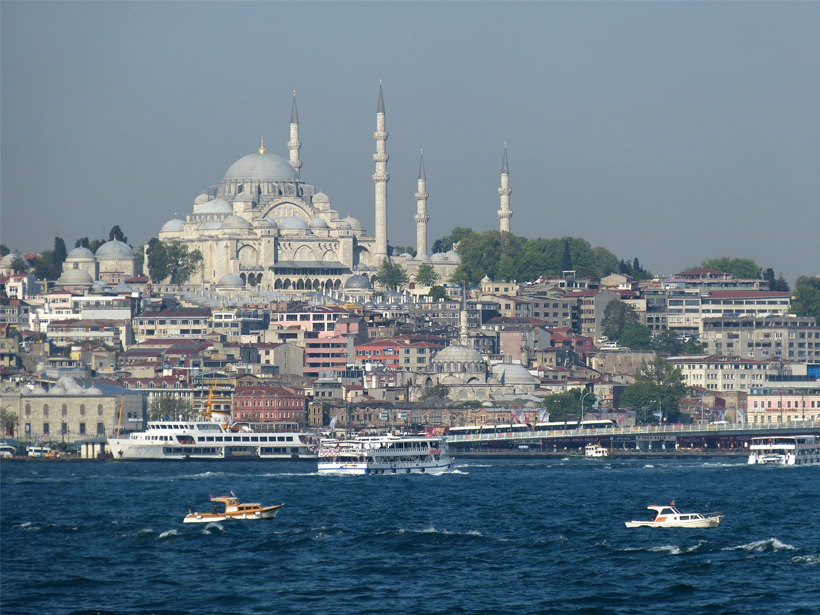
Characterizing the Fault Beneath the Marmara Sea
Researchers mine seismic wave data to elucidate the stress relief system of the Main Marmara Fault beneath Turkey's inland sea.
Posted inResearch Spotlights
Half of Atmospheric Joule Heating Is Due to Small Oscillations
Scientists use sounding rockets to show that small oscillations in electric fields can be just as important for atmospheric Joule heating as the presence of the electric field itself.

Posted inNews
More Acidic Oceans Could Reduce Fertility for Algae Eaters

New research shows that increased levels of carbon dioxide in the oceans cause changes that alter key nutrients essential to the reproduction of animals low on the food web.

Posted inNews
Dirty Water: Unintended Consequence of Climate Resiliency

Scientists testing the quality of floodwater in a Florida city find potentially harmful bacteria.
Posted inNews
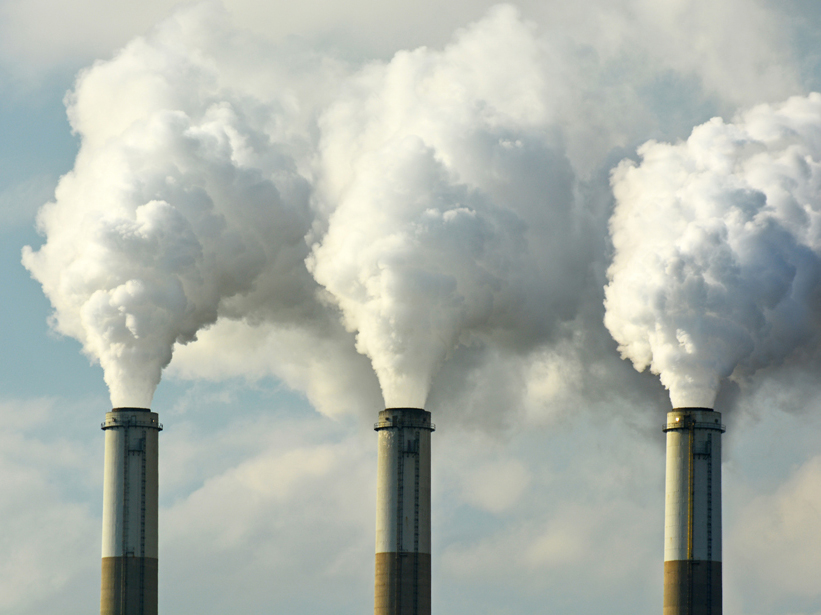
Court Delay on U.S. Climate Plan Won't Stop Clean Energy Efforts
While many states wait for judicial clarity, analysts predict that the move toward clean energy and emissions reductions will continue.
Posted inResearch Spotlights
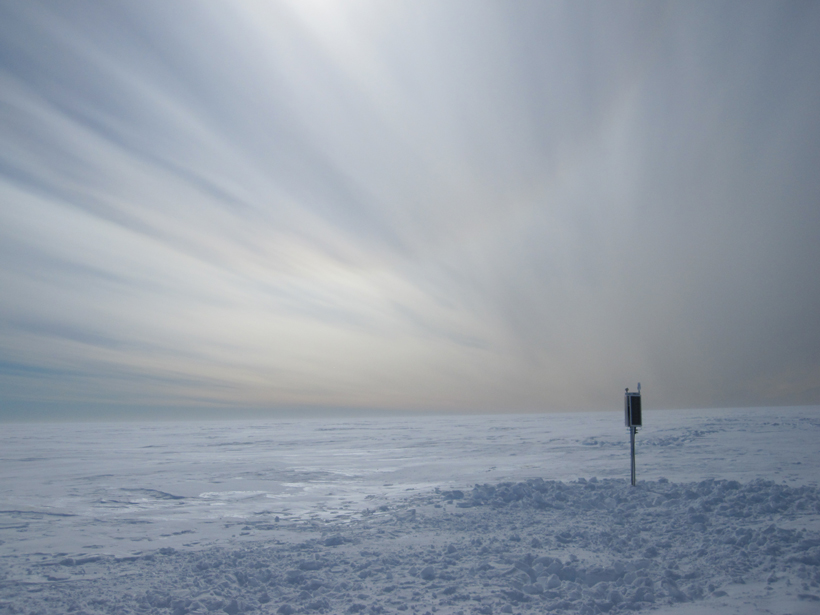
Ocean Waves Vibrating the Ross Ice Shelf

Scientists use seismic stations to study ice shelf vibrations generated by ocean waves to better understand their impact on the integrity of the Ross Ice Shelf.
Posted inResearch Spotlights
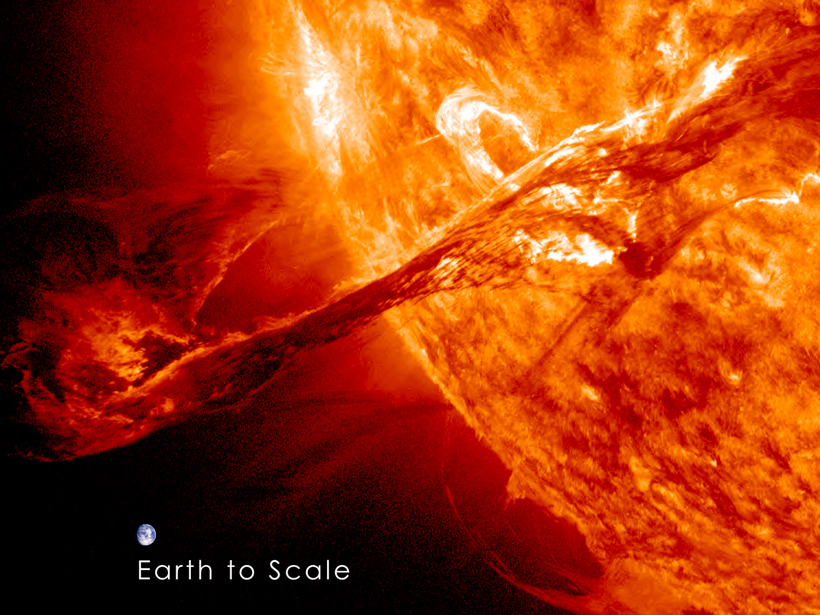
New Solar Wind Model Could Improve Space Weather Forecasts

Real-world data drive a simulation that successfully predicts Sun structures and interplanetary solar wind dynamics.