
Researchers are developing better ways to use satellites to understand space weather events that can interfere with technology.
CC-BY-NC 2016
Posted inNews
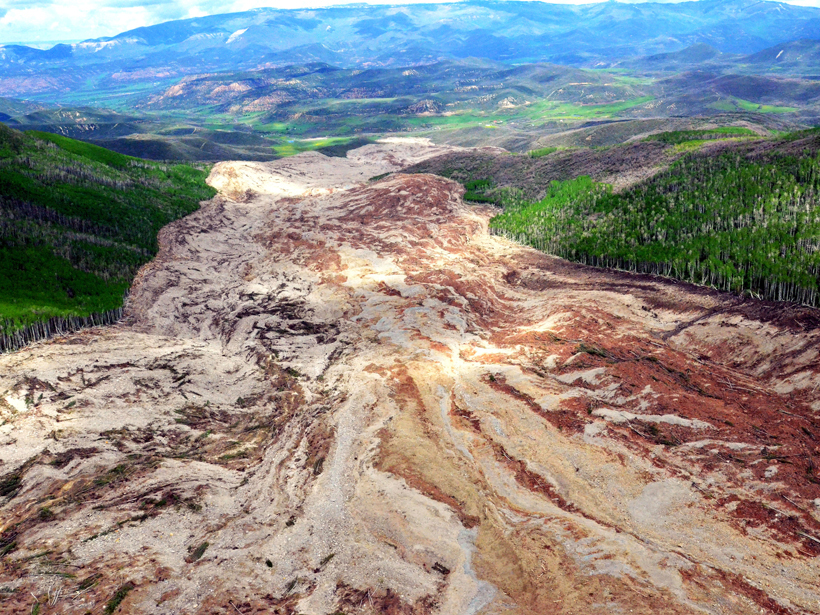
Forensic Analysis of Landslide Reveals Rocky Secrets

Scientists used drones, seismic data, and eyewitness accounts to figure out what unleashed an unthinkably large landslide on a spring day in Colorado.

Posted inResearch Spotlights
How Oceans Could Change If We Reverse Anthropogenic Warming
A computer simulation shows a net increase in primary production by phytoplankton if climate change were mitigated by 2200 but also indicates big changes in the makeup of those species.
Posted inResearch Spotlights
What Causes the Strange Pulses in Saturn's Magnetosphere?

A new model shows that a spiral wave may explain why many phenomena in the gas giant's magnetosphere undergo periodic cycles.
Posted inScience Updates
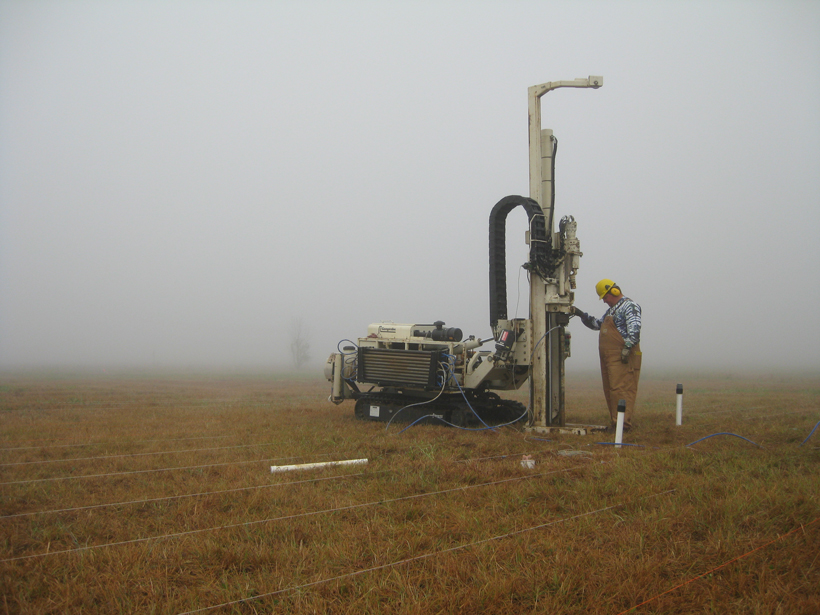
Groundwater Transport in Highly Heterogeneous Aquifers
The MADE Challenge for Groundwater Transport in Highly Heterogeneous Aquifers: Insights from 30 Years of Modeling and Characterization at the Field Scale and Promising Future Directions; Valencia, Spain, 5–8 October 2015

Posted inResearch Spotlights
The North Atlantic Ocean's Missing Heat Is Found in Its Depths

In the 2000s, the North Atlantic stopped absorbing as much atmospheric warmth. However, the ocean lost only a little heat—the rest was held deeper below the surface by altered circulation patterns.
Posted inResearch Spotlights
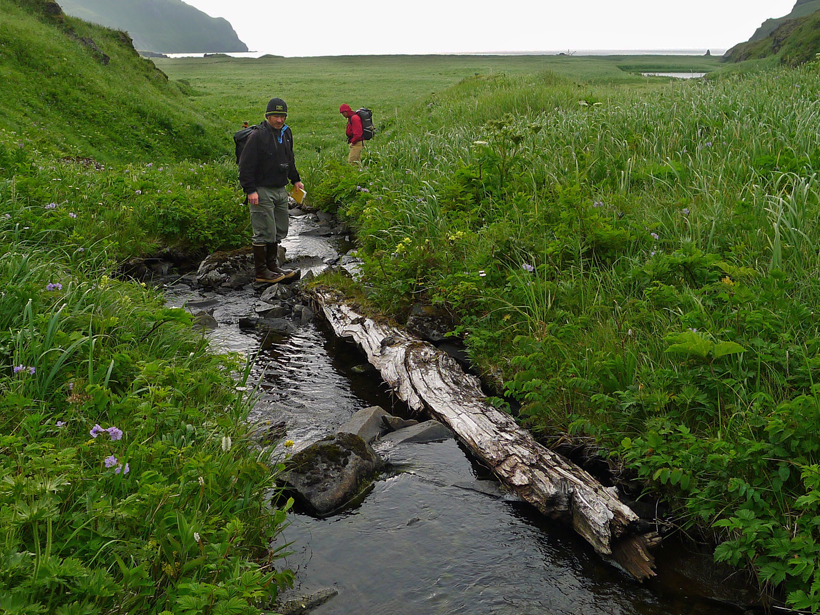
Unknown Tsunami Trigger Hides Along a Creeping Aleutian Fault
A seismically quiet part of the Aleutian Subduction Zone may have caused tsunamis in the past—and may cause future tsunamis that could travel across the Pacific Ocean.
Posted inNews
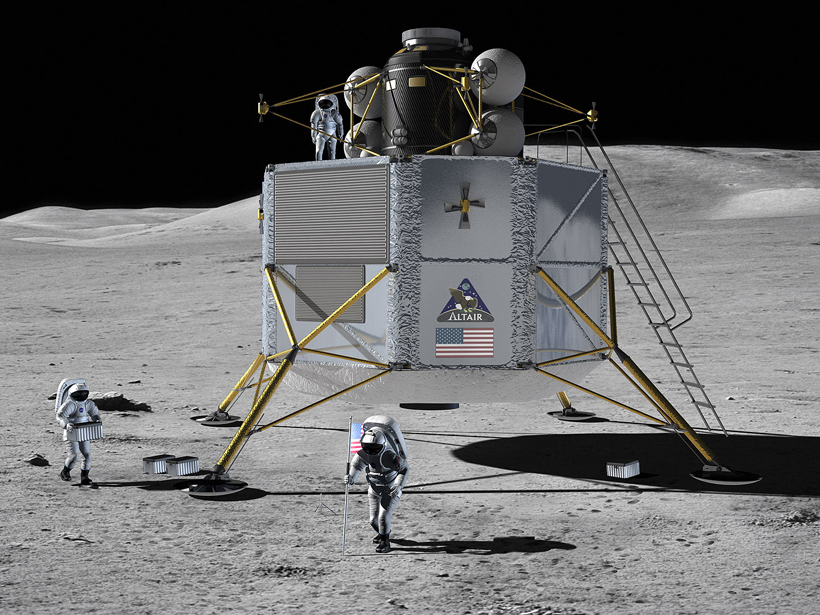
Congress Tussles over Bill to Provide Stability to NASA

Witnesses at a congressional hearing highlighted the need to provide stability to NASA but were lukewarm in supporting specific provisions of the proposed Space Leadership Preservation Act.

Posted inResearch Spotlights
Characterizing Interglacial Periods over the Past 800,000 Years
Researchers identified 11 different interglacial periods over the past 800,000 years, but the interglacial period we are experiencing now may last an exceptionally long time.

Posted inScience Updates
Students, Meet Data
Lessons that incorporate publicly available data from Earth observing sensors can expose students to the thrill of scientific discovery.