

New Web resources enable scientists to standardize the naming of seamounts, trenches, and other undersea features, reducing ambiguity in identification and communication.
CC BY-NC-ND 2016

Posted inEditors' Vox
Navigating the 2016 AGU Fall Meeting: Part I
AGU editors and staff provide recommendations if you are looking for exciting science or learning opportunities outside your normal discipline.

Posted inEditors' Vox
Plate Boundaries and Natural Hazards
The editors of a new book on tectonics discuss the origins of the science and its importance in a new millennium.
Posted inResearch Spotlights
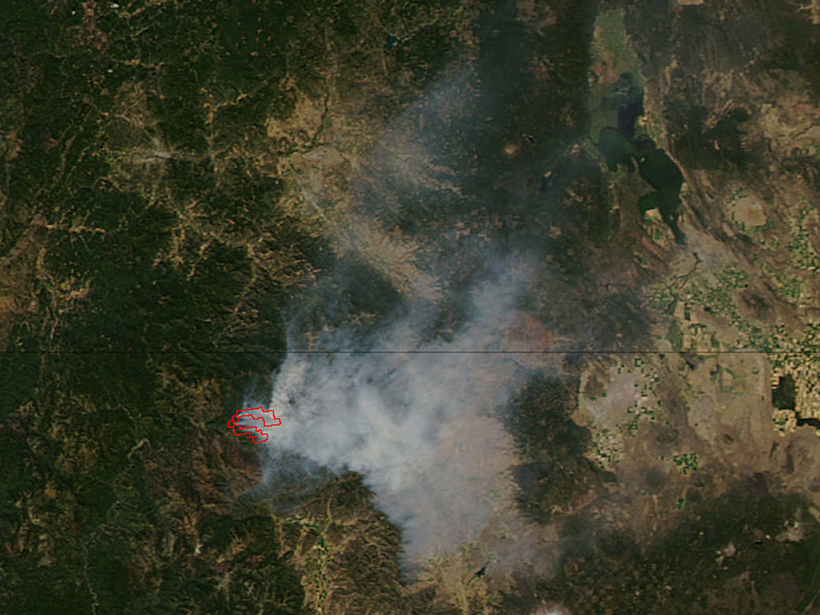
Fighting Fire with Satellite Data
As climate change worsens wildfire impact, scientists use satellites to study climate-fire interactions.
Posted inNews
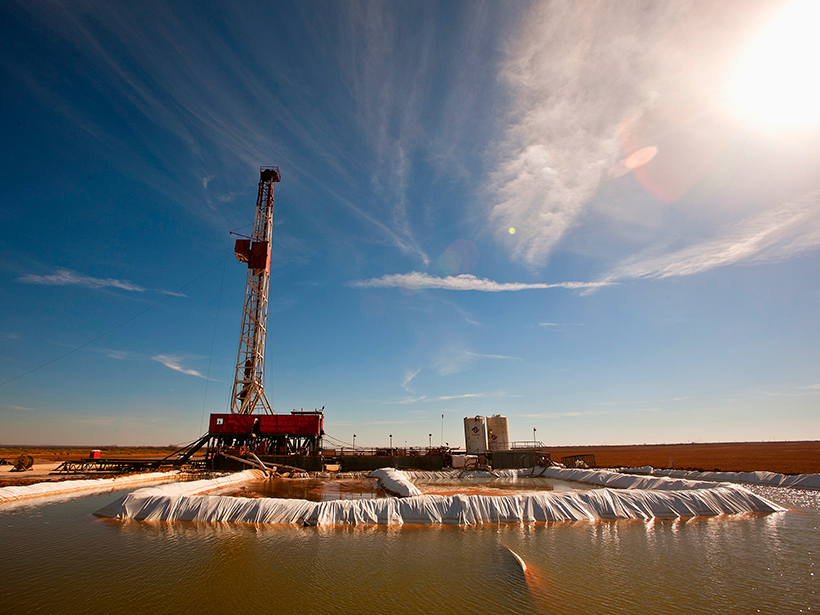
Largest Ever U.S. Shale Oil Deposit Identified in Texas

The Wolfcamp shale, which underlies a large swath of Texas roughly centered on the city of Midland, contains 20 billion barrels of oil that could be recovered with current technology.
Posted inEditors' Vox
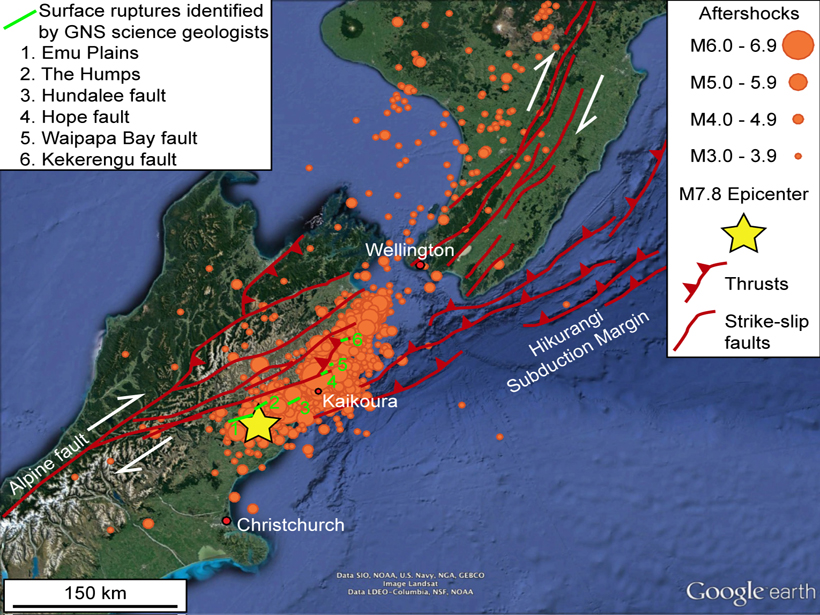
Complex Earthquake Raises Complex Questions
A devastating earthquake has hit New Zealand, but this unusual event, with long duration slip on several faults, will also provide an astounding data set for understanding a complex tectonic region.

Posted inResearch Spotlights
A Significantly Hotter Mantle Beneath Iceland

Estimates of crystallization temperatures from four eruptions in northern Iceland offer improved constraints on the mantle's temperature beneath this anomalous divergent plate boundary.

Posted inNews
Science Is Bipartisan Issue, White House Science Adviser Says

Holdren said that investing in climate change science and policy measures is good for the economy, national security, and the environment.

Posted inNews
Cores from Crater Tied to Dinosaur Demise Validate Impact Theory

Drilling into the famous, deeply buried Chicxulub crater off Mexico, researchers found deformed and porous granite that opens new avenues of research.

Posted inNews
Scientists Offer New Explanation for Island's Unexpected Uplift
Researchers developed a new timeline for the rise, fall, and rise again of a puzzling island in the Azores.