• About
  • Special Reports
  • Topics
    • Climate
    • Earth Science
    • Oceans
    • Space & Planets
    • Health & Ecosystems
    • Culture & Policy
    • Education & Careers
    • Opinions
  • Projects
    • Postcards From the Field
    • ENGAGE
    • Editors’ Highlights
    • Editors’ Vox
    • Eos en Español
    • Eos 简体中文版
    • Print Archive: 2015–2025
  • Policy Tracker
  • Blogs
    • Research & Developments
    • The Landslide Blog
  • Newsletter
  • Submit to Eos
  • AGU.org
  • Career Center
  • Join AGU
  • Give to AGU
  • About
  • Special Reports
  • Topics
    • Climate
    • Earth Science
    • Oceans
    • Space & Planets
    • Health & Ecosystems
    • Culture & Policy
    • Education & Careers
    • Opinions
  • Projects
    • Postcards From the Field
    • ENGAGE
    • Editors’ Highlights
    • Editors’ Vox
    • Eos en Español
    • Eos 简体中文版
    • Print Archive: 2015–2025
  • Policy Tracker
  • Blogs
    • Research & Developments
    • The Landslide Blog
  • Newsletter
  • Submit to Eos
Skip to content
  • AGU.org
  • Career Center
  • Join AGU
  • Give to AGU
Eos

Eos

Science News by AGU

Support Eos
Sign Up for Newsletter
  • About
  • Special Reports
  • Topics
    • Climate
    • Earth Science
    • Oceans
    • Space & Planets
    • Health & Ecosystems
    • Culture & Policy
    • Education & Careers
    • Opinions
  • Projects
    • Postcards From the Field
    • ENGAGE
    • Editors’ Highlights
    • Editors’ Vox
    • Eos en Español
    • Eos 简体中文版
    • Print Archive: 2015–2025
  • Policy Tracker
  • Blogs
    • Research & Developments
    • The Landslide Blog
  • Newsletter
  • Submit to Eos

2021 CC BY-NC-ND

Expansive flat landscape marked by large flat stones.
Posted inNews

Cosmological Tool Helps Archaeologists Map Earthly Tombs

Richard Sima, freelance science writer by Richard J. Sima 18 August 202126 October 2021

A new study employs a method originally developed to help map stars and galaxies to describe how ancient tombs are clustered. The research helps archaeologists studying remote or inaccessible sites.

Two scientists stand atop a glacier holding cords and ropes, with a view of a fjord, icebergs, and mountains in the distance
Posted inScience Updates

Undertaking Adventure to Make Sense of Subglacial Plumes

by Evgeny A. Podolskiy 18 August 202111 April 2023

Novel observations and inventive analyses of glacial discharge in Greenland have revealed new insights into the irregular and chaotic nature of ice-ocean interactions at glacial calving fronts.

Bull’s-eye features in rock
Posted inNews

Ejecta Discovered Near Site of Ancient Meteorite Impact

Katherine Kornei, Science Writer by Katherine Kornei 17 August 20218 April 2022

South Africa’s Vredefort impact structure is the largest on the planet, and researchers have now discovered the first proximal ejecta possibly deriving from the cataclysmic impact.

Magnetic field strengths as a function of distance from the Sun for several meteorite samples
Posted inEditors' Highlights

Magnetic Record of Early Nebular Dynamics

by F. Nimmo 17 August 202110 January 2023

Magnetized particles in a meteorite suggest strong magnetic fields in the early solar nebula.
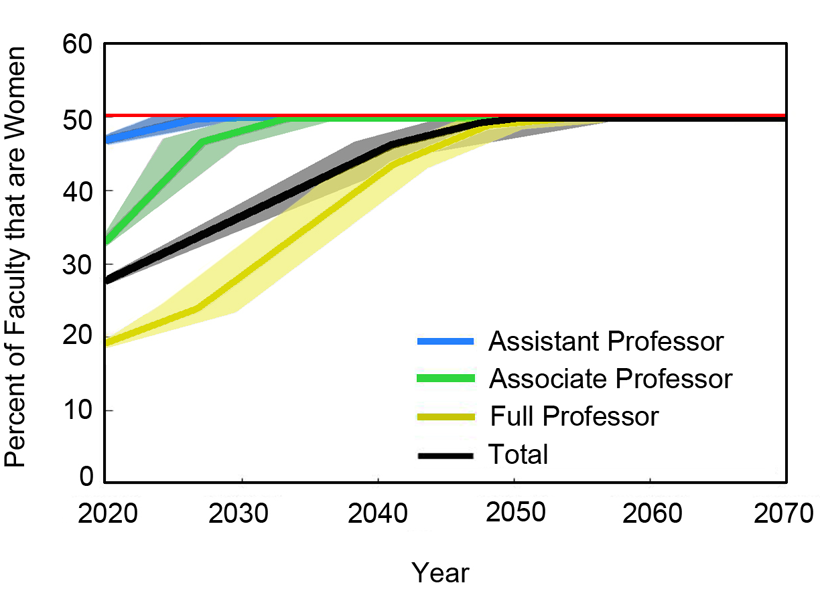
Plot showing gender equity will be reached only by ~2050 if hiring continues at gender parity
Posted inEditors' Highlights

Steady but Slow Progress on the Long Road Towards Gender Parity

Eric Davidson, president-elect of AGU by Eric Davidson 16 August 202128 September 2021

The historic disproportionate attrition of women among geoscience faculty is decreasing, but how long will it take to reach gender parity if current trends of progress continue?
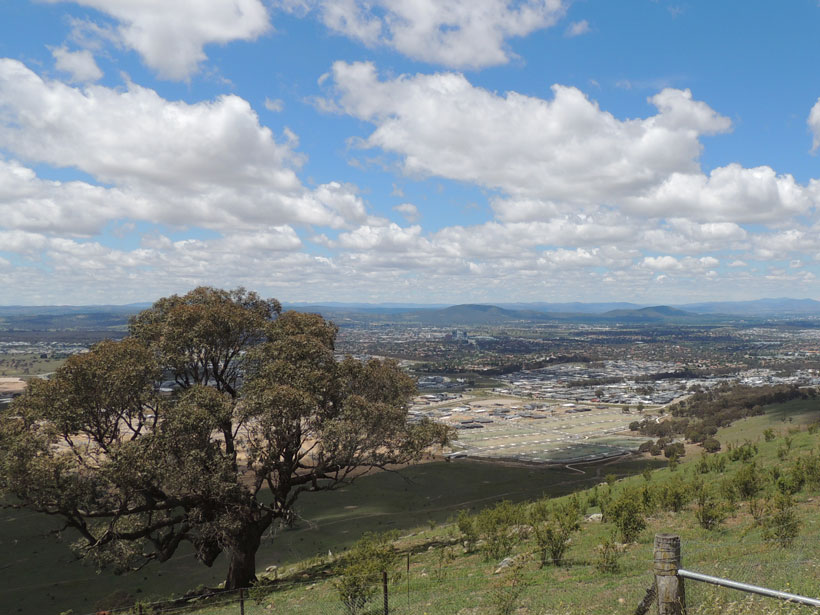
Part of Canberra, Australia, where scientists have been using geochemical analysis to develop a predictive soil provenancing method.
Posted inNews

Predictive Forensics Helps Determine Where Soil Samples Came From

Tim Hornyak, Science Writer by Tim Hornyak 16 August 202118 November 2021

Researchers deploy geochemical analyses to narrow down the search area for a soil sample’s site of origin—an approach that could prove useful to law enforcement.
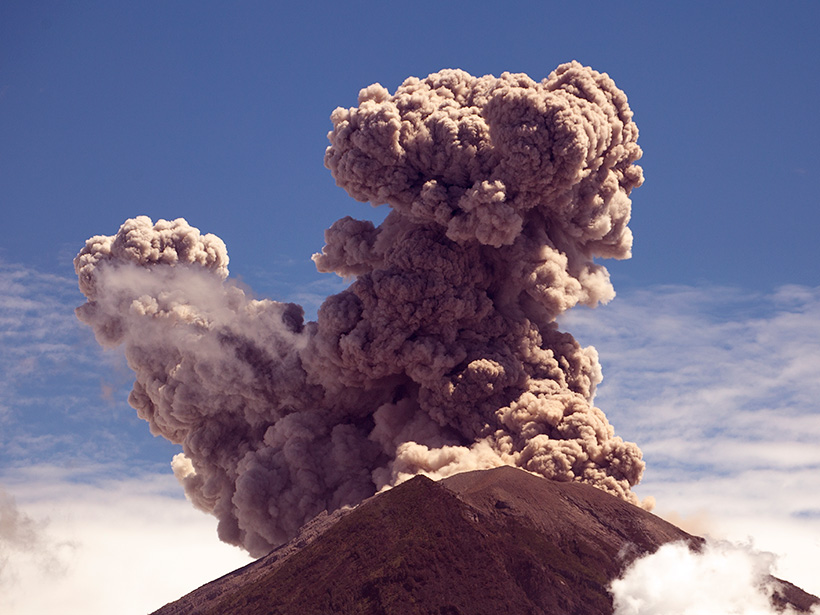
A photo of Agung volcano
Posted inNews

Lava from Bali Volcanoes Offers Window into Earth’s Mantle

Jon Kelvey, Science Writer by Jon Kelvey 13 August 20214 August 2023

Lava from the Agung and Batur volcanoes provides a near-pristine picture of Earth’s mantle and raises questions about all volcanoes along the Indonesian Sunda Arc and beyond.
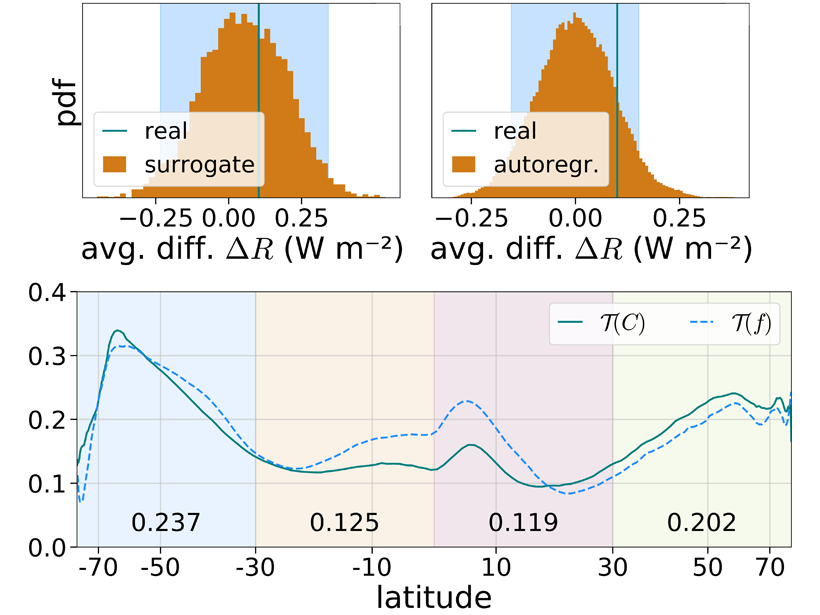
Posted inEditors' Highlights

Is Earth’s Albedo Symmetric Between the Hemispheres?

by Sarah Kang 11 August 202122 April 2022

The two hemispheres feature the same planetary albedo despite a larger land fraction in the north, because storms over the southern ocean are cloudier than their northern counterparts.

A cityscape of Ahmedabad, India, by sunset.
Posted inNews

Specifically Tailored Action Plans Combat Heat Waves in India

by Deepa Padmanaban 11 August 20211 June 2023

The frequencies of heat waves and heat-induced mortality have soared in India. Now government agencies and research organizations are developing city-specific action plans to mitigate heat impacts.
Posted inEditors' Highlights

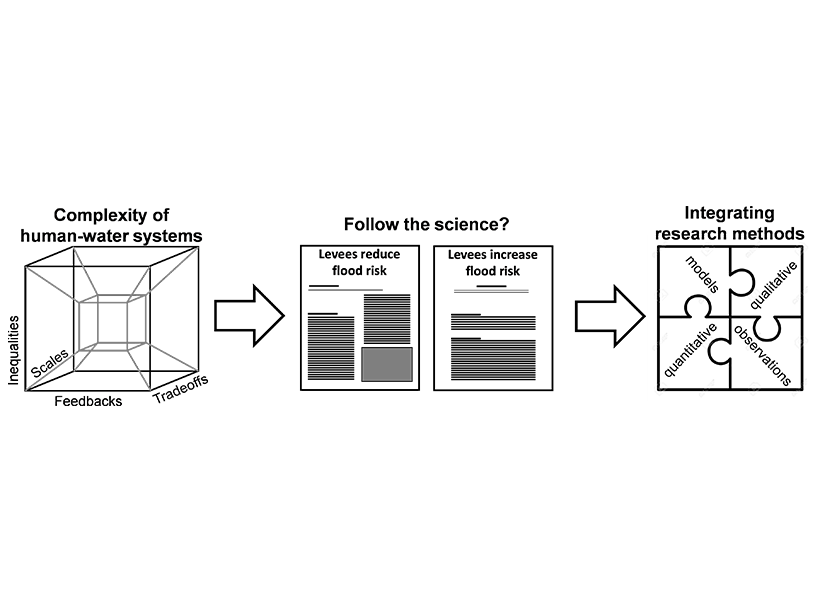
Need for Rational Thinking for Predicting Floods and Droughts

by T. Illangasekare 10 August 202119 November 2021

To plan policies that manage flood and drought risk, is it sufficient to follow the science? The better path uses the best science, which draws insight from integrated multidisciplinary research.

Posts pagination

Newer posts 1 … 8 9 10 11 12 … 47 Older posts
Over a dark blue-green square appear the words Special Report: The State of the Science 1 Year On.

Features from AGU Publications

Research Spotlights

As Wildfires Increase in the West, So Does Suppression Spending

10 June 202610 June 2026
Editors' Highlights

Soil Biogeochemistry Models Omit Key Processes Due to Geographic Bias

16 June 202616 June 2026
Editors' Vox

Small-Scale Indian Ocean Dynamics Underpin Marine Ecology and Climate

4 June 20263 June 2026
Eos logo at left; AGU logo at right

About Eos
ENGAGE
Awards
Contact

Advertise
Submit
Career Center
Sitemap

© 2026 American Geophysical Union. All rights reserved Powered by Newspack