



Travel & Tourism
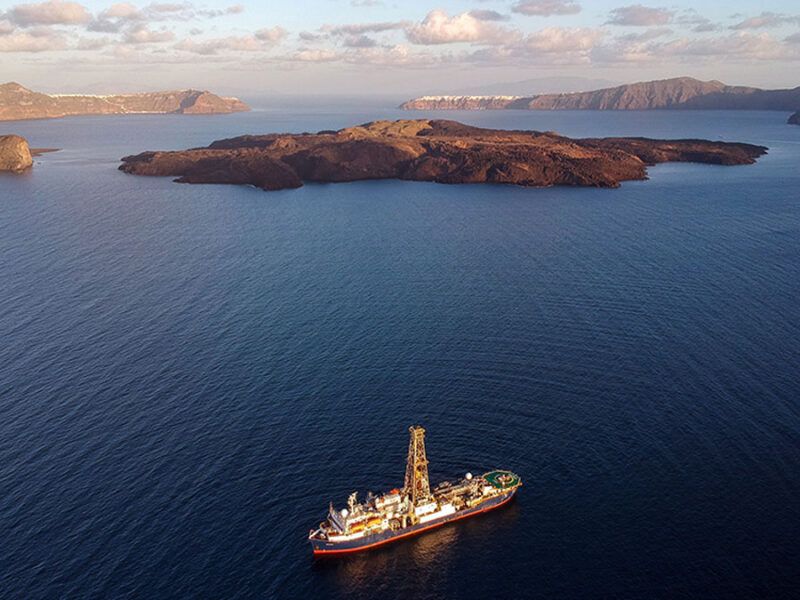

“The Arctic Report Card Matters More Than Ever; AGU Joins Partners to Publish in 2026”
CULTURE & POLICY ARCHIVE
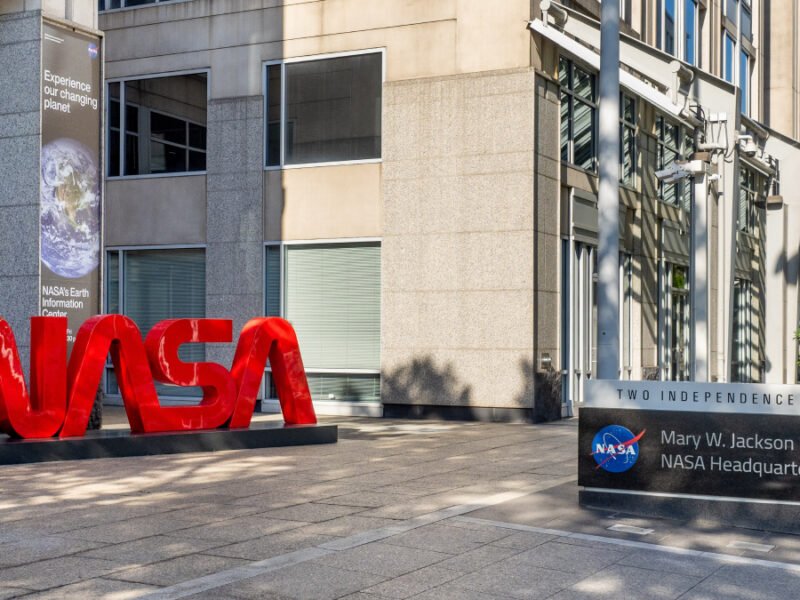
NASA has Underspent on Research and Analysis for 15 Years
Spending for NASA’s research and analysis programs has remained relatively flat for 15 years, ignoring recommendations from community-led decadal surveys and directives by Congress.
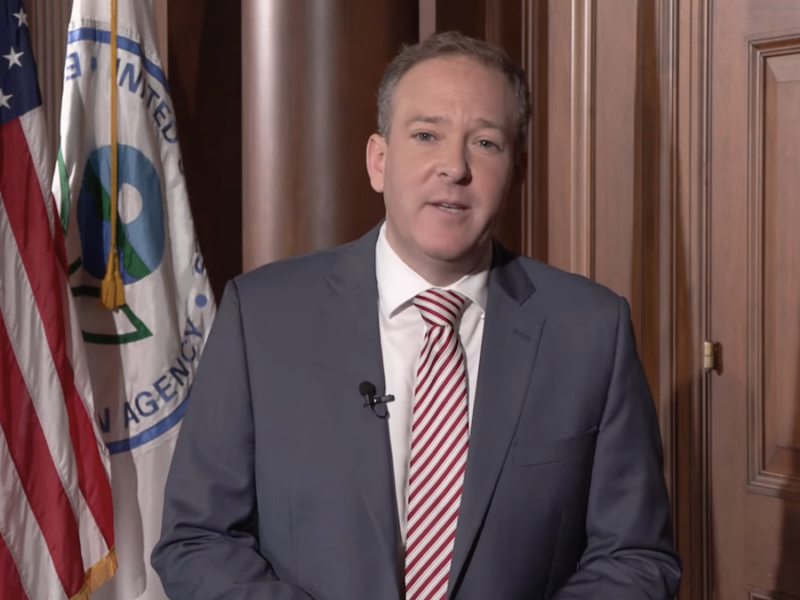
EPA Will Remove Carbon Dioxide Limits on Power Plants
Today, the Environmental Protection Agency will announce the repeal of federal limits on power plant carbon dioxide emissions, finalizing a proposed rule that the agency has been considering since last spring.
The repeal means that coal-, oil-, and gas-powered electricity plants in the United States will no longer need to limit their carbon dioxide…
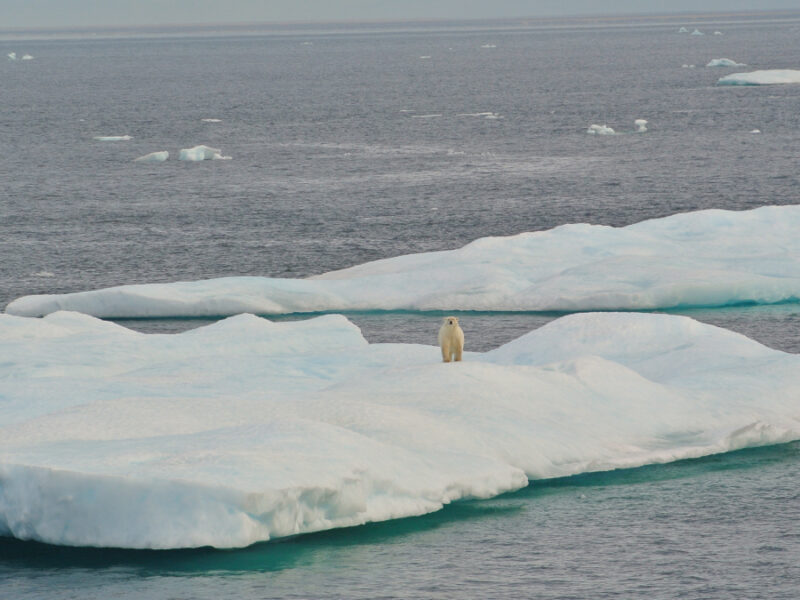
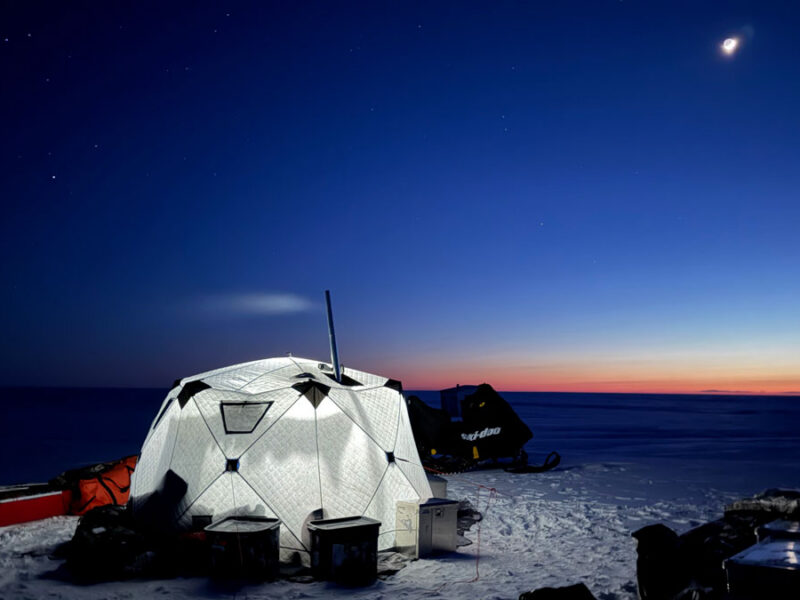
The Arctic Report Card Matters More Than Ever; AGU Joins Partners to Publish in 2026
The critical and highly anticipated yearly assessment will be carried forward through a partnership with CIRES/CU Boulder and the University of Alaska Fairbanks.
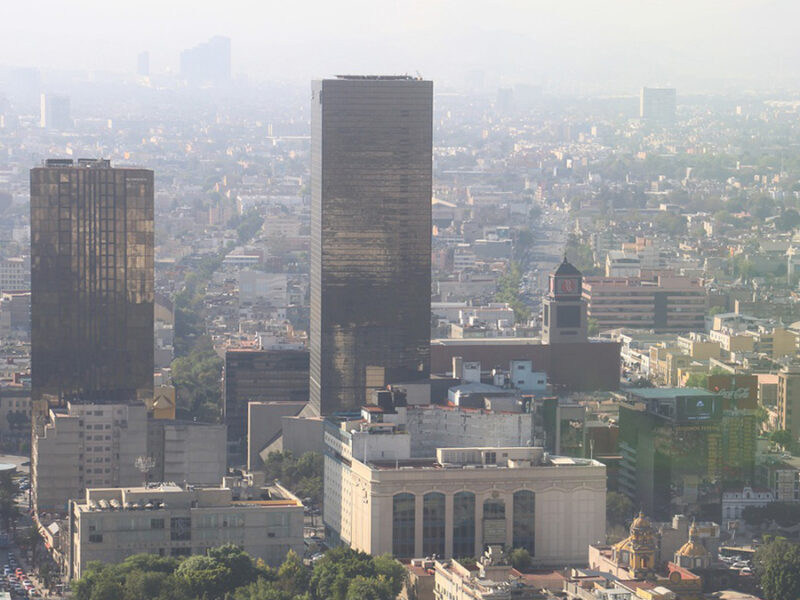
The Ozone Paradox: A Growing Cost of a Warmer Atmosphere
Mexico City’s air is getting cleaner, but ozone levels near the ground aren’t decreasing as fast as expected. Climate change is partly to blame.
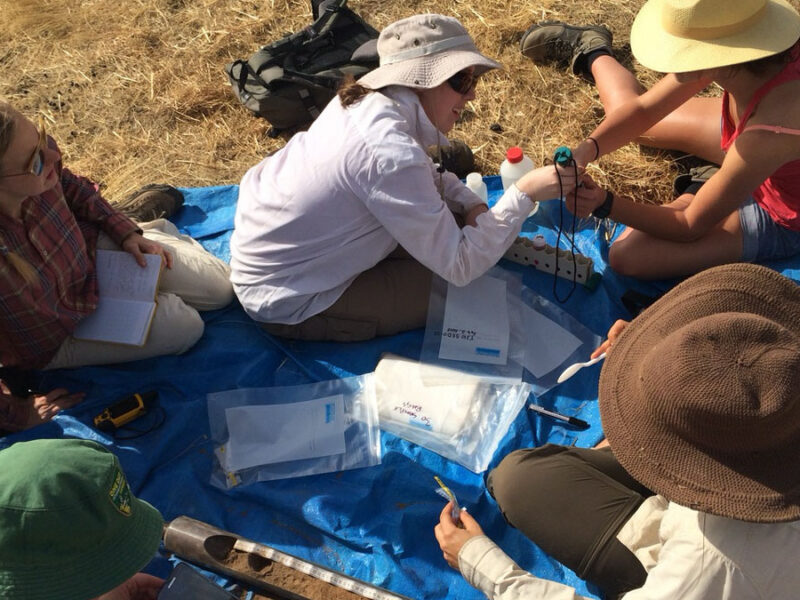
Four in Five Researchers Report Harmful Interactions During Geoscience Fieldwork. A New Survey Suggests a Path Forward.
A new survey documents the prevalence of harmful interactions that occur during fieldwork. Many instances go officially unreported.
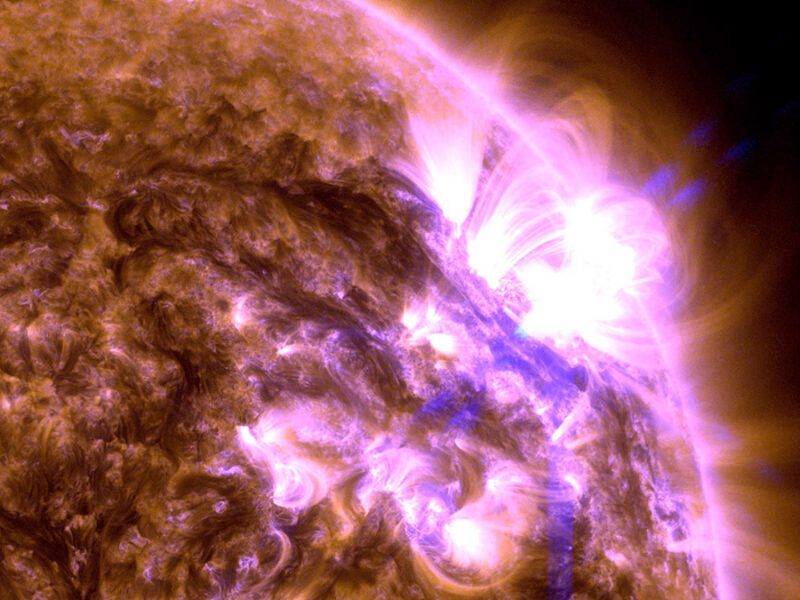
The Economic Costs of Solar Storms
Though less present in the public consciousness than hurricanes and wildfires, space weather represents a real and potentially significant threat to society.

A High-Resolution Look at Singapore’s Water Budget
Simulations that account for nuanced interplay between hydrological and plant processes could help guide urban water management.

AGU Launches New Special Collection at the Nexus of Science and Policy
Seven AGU journals are encouraging submissions of policy-related commentaries and research articles, boosting scientists’ voices to decision-makers.
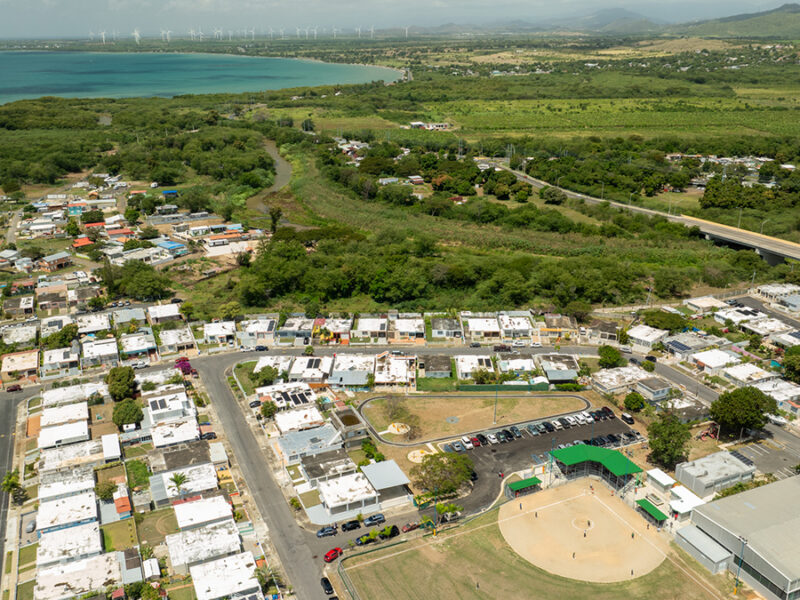
Communities Affected by Climate Change Need More Than Data
Researchers and residents in Puerto Rico collaborated on how NASA Earth Observations data can address environmental justice challenges and strengthen community resilience.
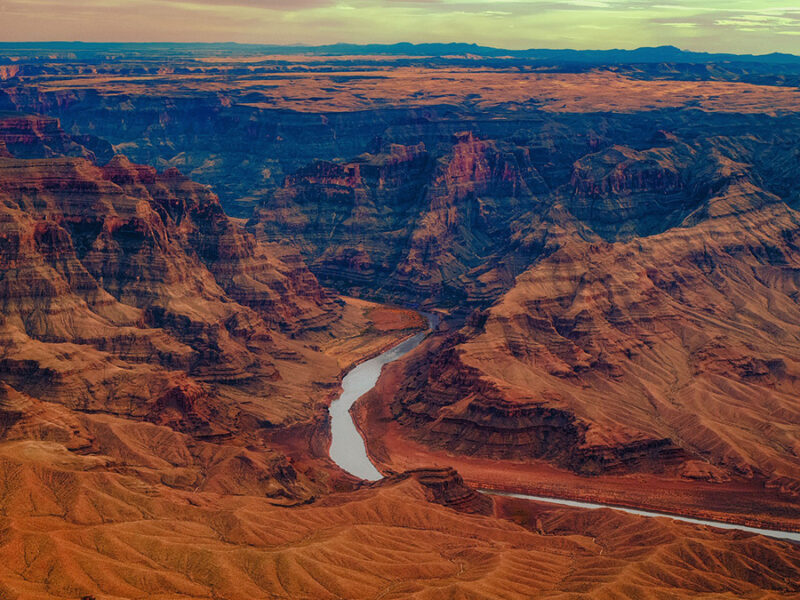
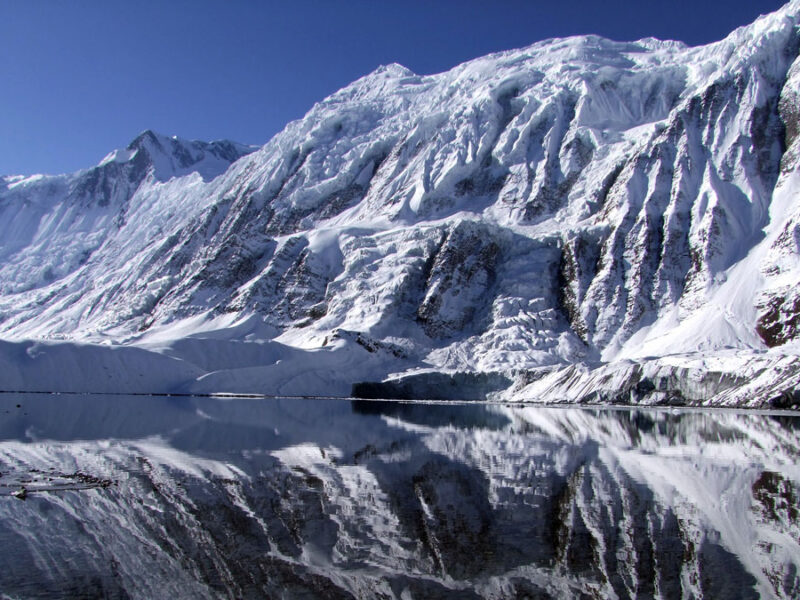
The Colorado River Basin Is Running Out of Water. Not Everyone Is Happy with the Government’s Suggested Solution.
Though overallocation is one reason the river is shrinking, reduced snowpack and increased evaporation caused by climate change are also contributing factors.
Something went wrong. Please refresh the page and/or try again.