

Find out about the person taking the helm of JGR: Atmospheres and her plans for taking the journal forward in the coming years.
Editors’ Vox

Posted inEditors' Vox
Heat Waves: A Growing Threat to Society and the Environment
With heat waves expected to worsen in the 21st century it is essential to take stock of our current understanding, knowledge gaps, and to set research priorities.

Posted inEditors' Vox
Using Cave Formations to Investigate Ancient Wildfires
From sediment cores to speleothems, environmental archives are helping us to understand the history of wildfires.

Posted inEditors' Vox
Demographic Data Support Inclusive and Equitable Publishing
AGU aims to increase inclusion in publishing. We need to have good data to show where we are and track our progress. Please help us by updating your profile today.
Posted inEditors' Vox
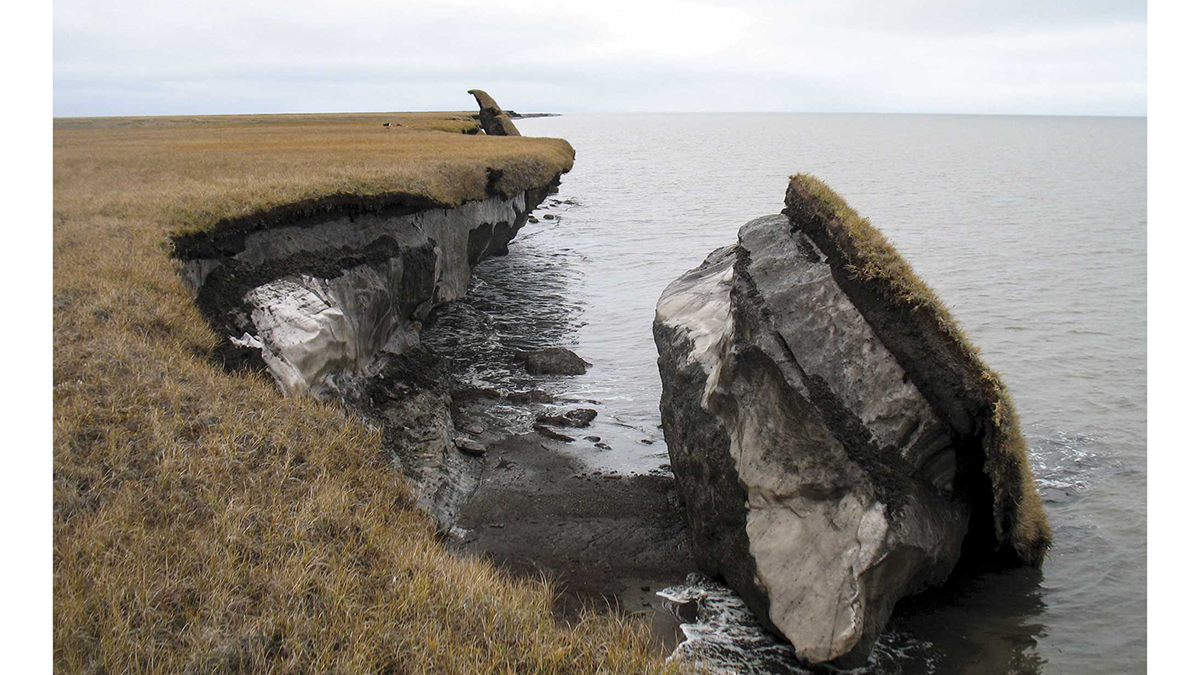
What We Know and Don’t Know About Climate Tipping Elements
As climate change continues, parts of the Earth system such as ice sheets, frozen soils, or the Amazon rainforest could shift—some quickly, some slowly—after crossing key thresholds or tipping points.

Posted inEditors' Vox
How Big Data is Helping Environmental and Climate Research
A new special collection invites papers focusing on the processing, modeling, and analysis of all types of big datasets in the Earth and space sciences, including the influence of solar forcing on Earth’s climate.
Posted inEditors' Vox
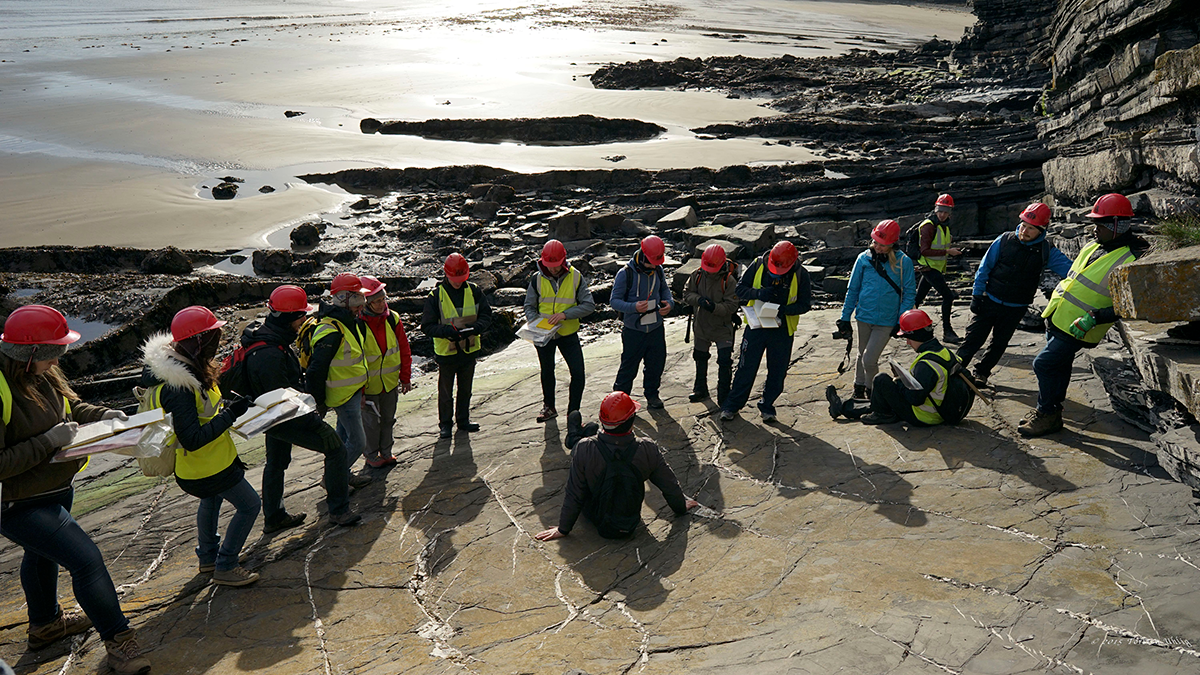
Geoscientists Make a Difference
A new special report demonstrates that geoscientists’ knowledge, skills, and competencies can be used to advance every one of the United Nations Sustainable Development Goals.
Posted inEditors' Vox
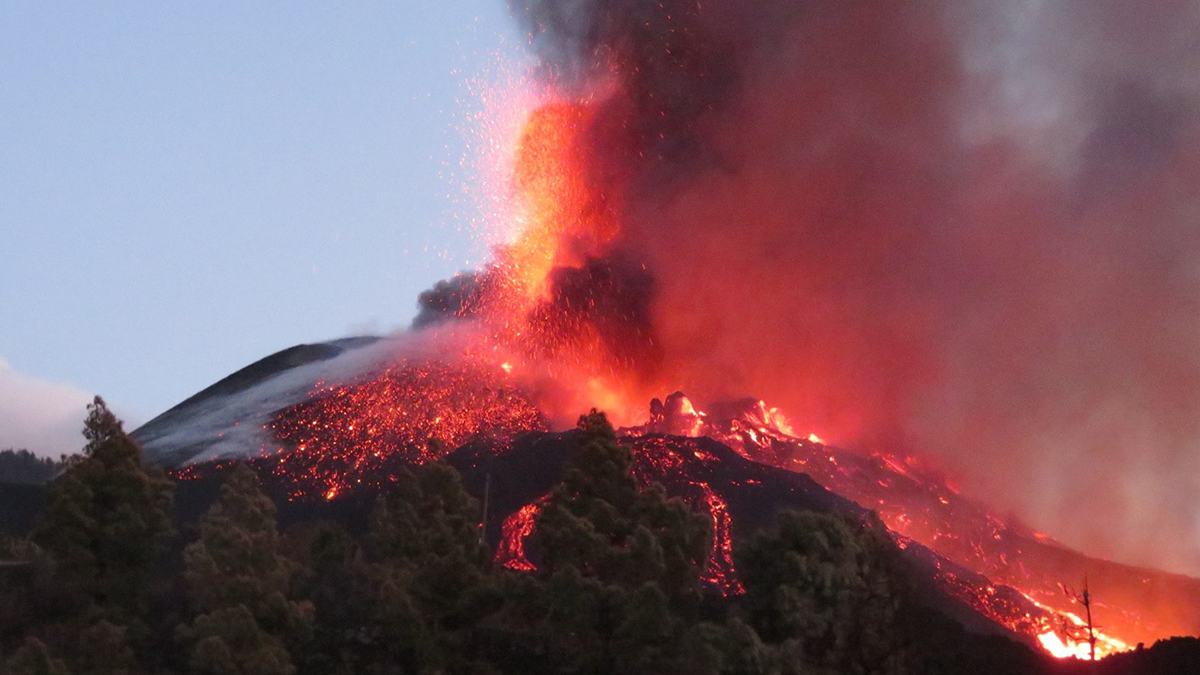
Quantification of Subaerial Volcanism and its Products
Researchers estimate the mass of volcanic products that erupted above sea level from 1980 to 2019 by volcanoes worldwide and the average eruptive rates of each magmatic province.

Posted inEditors' Vox
Why Tropical Forests Are Important for Our Well-Being
Tropical forests play a critical role in supporting human well-being, food security, and the maintenance of biodiversity.
Posted inEditors' Vox
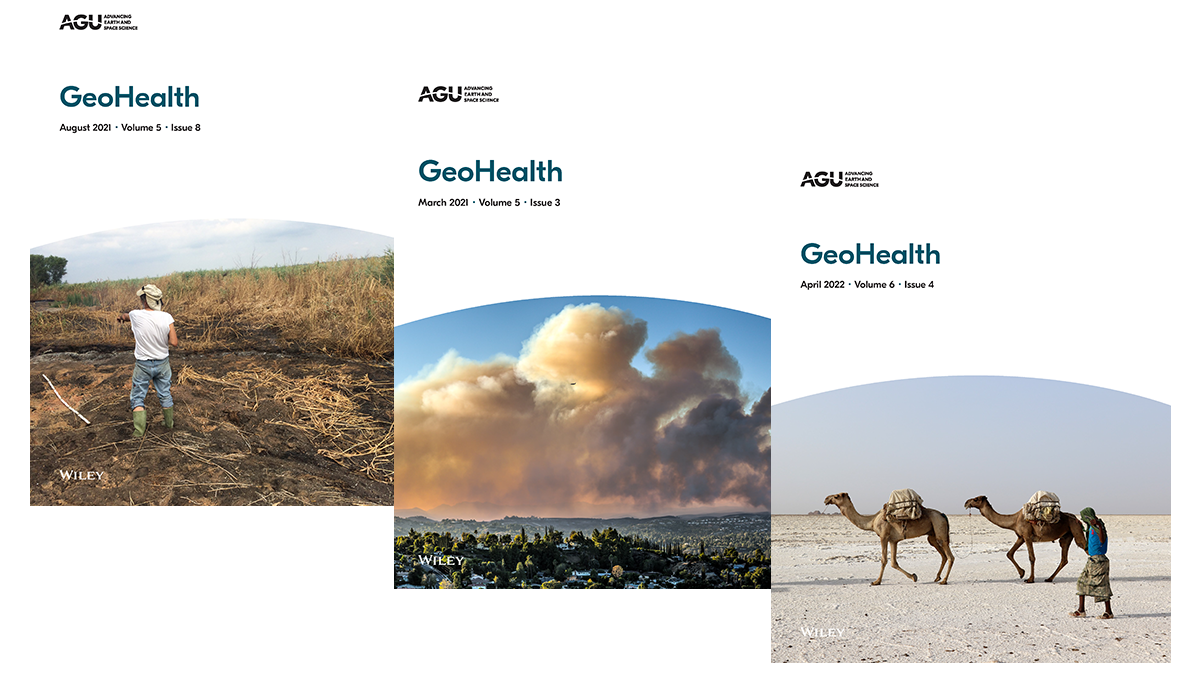
GeoHealth Expands Topical Areas with New Editors
AGU’s interdisciplinary journal, GeoHealth, adds three new experts to its editorial board as it continues to grow in submissions, impact, and scope.