• About
  • Special Reports
  • Topics
    • Climate
    • Earth Science
    • Oceans
    • Space & Planets
    • Health & Ecosystems
    • Culture & Policy
    • Education & Careers
    • Opinions
  • Projects
    • Postcards From the Field
    • ENGAGE
    • Editors’ Highlights
    • Editors’ Vox
    • Eos en Español
    • Eos 简体中文版
    • Print Archive: 2015–2025
  • Policy Tracker
  • Blogs
    • Research & Developments
    • The Landslide Blog
  • Newsletter
  • Submit to Eos
  • AGU.org
  • Career Center
  • Join AGU
  • Give to AGU
  • About
  • Special Reports
  • Topics
    • Climate
    • Earth Science
    • Oceans
    • Space & Planets
    • Health & Ecosystems
    • Culture & Policy
    • Education & Careers
    • Opinions
  • Projects
    • Postcards From the Field
    • ENGAGE
    • Editors’ Highlights
    • Editors’ Vox
    • Eos en Español
    • Eos 简体中文版
    • Print Archive: 2015–2025
  • Policy Tracker
  • Blogs
    • Research & Developments
    • The Landslide Blog
  • Newsletter
  • Submit to Eos
Skip to content
  • AGU.org
  • Career Center
  • Join AGU
  • Give to AGU
Eos

Eos

Science News by AGU

Support Eos
Sign Up for Newsletter
  • About
  • Special Reports
  • Topics
    • Climate
    • Earth Science
    • Oceans
    • Space & Planets
    • Health & Ecosystems
    • Culture & Policy
    • Education & Careers
    • Opinions
  • Projects
    • Postcards From the Field
    • ENGAGE
    • Editors’ Highlights
    • Editors’ Vox
    • Eos en Español
    • Eos 简体中文版
    • Print Archive: 2015–2025
  • Policy Tracker
  • Blogs
    • Research & Developments
    • The Landslide Blog
  • Newsletter
  • Submit to Eos

ENGAGE

Photo of forest on the island of Dominica
Posted inENGAGE, News

Climate Benefits of Forests Go Far Beyond Carbon Sequestration

by Santiago Flórez 26 April 20221 June 2023

Forests are “essentially air-conditioning systems” thanks to biophysical processes like evapotranspiration and canopy roughness.

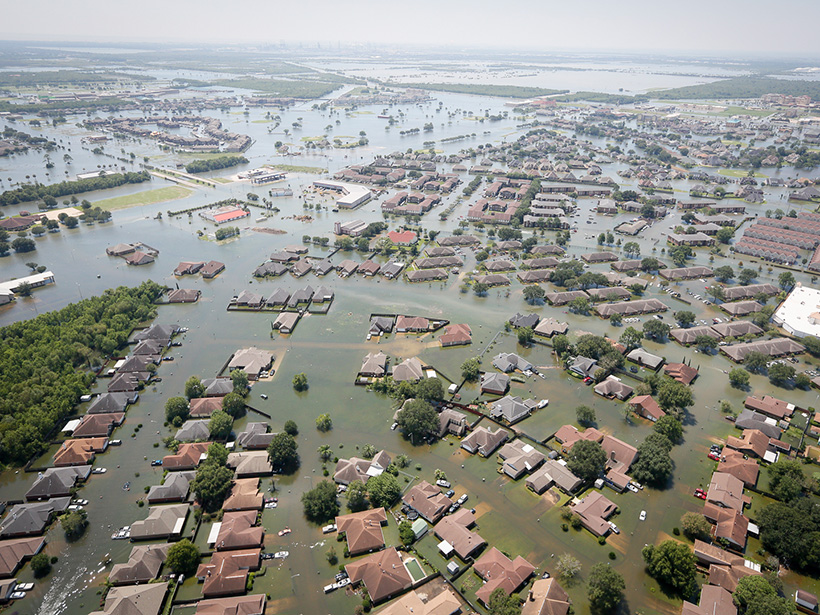
Imagen aérea de un vecindario en Texas inundado. Se observan sólo los techos de las casas y las copas de los árboles.
Posted inENGAGE, News

Cuando los ríos están contaminados, las inundaciones son solamente el primer problema

by J. Besl 24 March 202227 March 2023

A medida que las inundaciones aumentan en frecuencia e intensidad, los productos químicos enterrados en los sedimentos de los ríos se convierten en “bombas de tiempo” que esperan activarse.
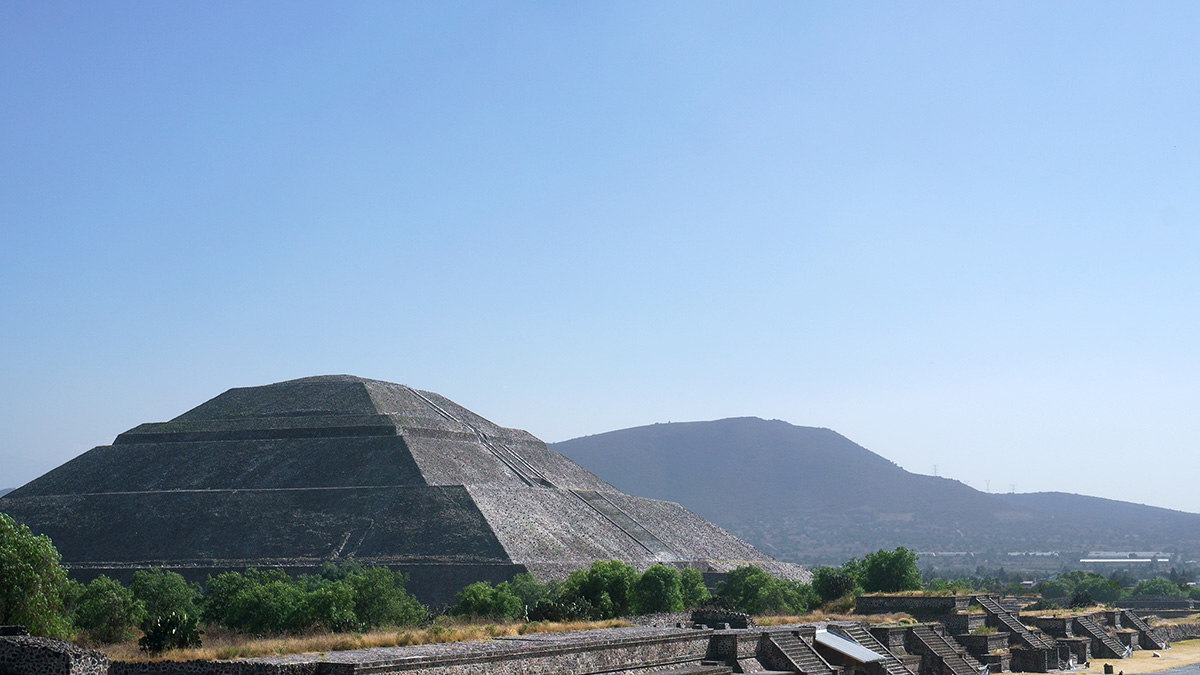
La pirámide del Sol en Teotihuacan al frente con un cerro y el cielo despejado detrás.
Posted inENGAGE, News

Mapeando el pasado, presente y futuro de Teotihuacan

by Humberto Basilio 14 March 202227 March 2023

Un nuevo proyecto con tecnología lidar revela cómo la minería y la expansión urbana han puesto en riesgo a uno de los sitios del patrimonio cultural más icónicos de México.
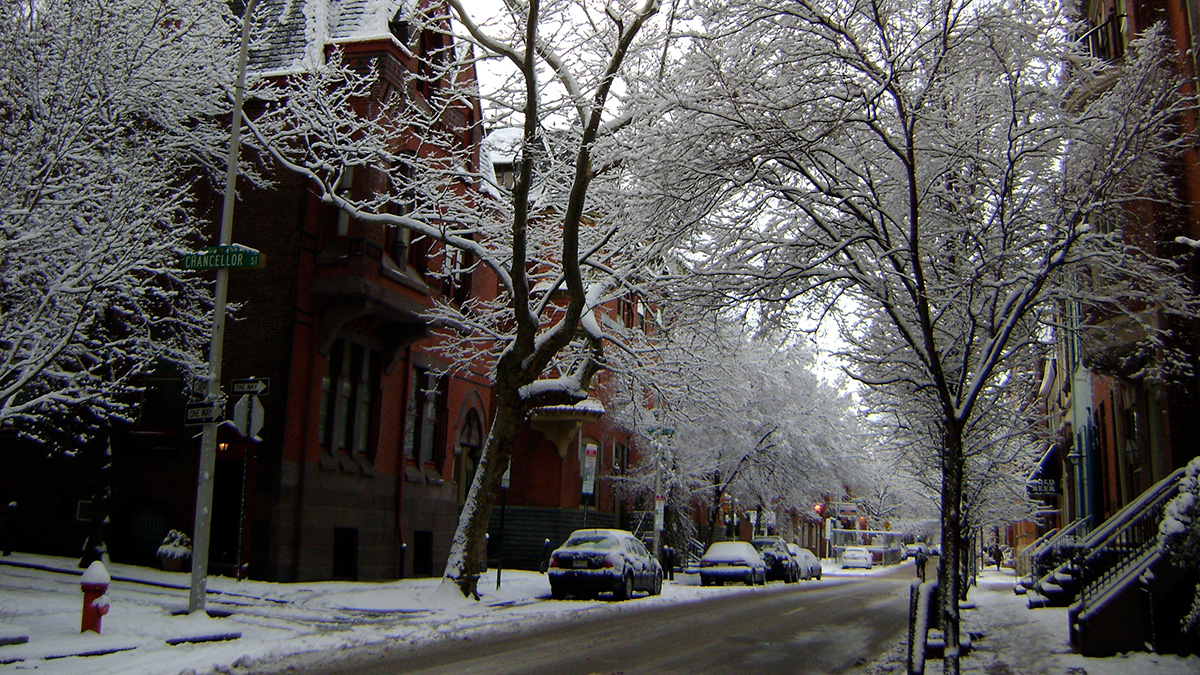
A street in Philadelphia following a winter storm
Posted inENGAGE, Research Spotlights

Road Salts Linked to High Sodium Levels in Tap Water

Sarah Stanley, Science Writer by Sarah Stanley 8 March 202227 August 2025

Use of deicing agents may sometimes raise sodium levels in drinking water beyond healthy limits for people on salt-restricted diets.
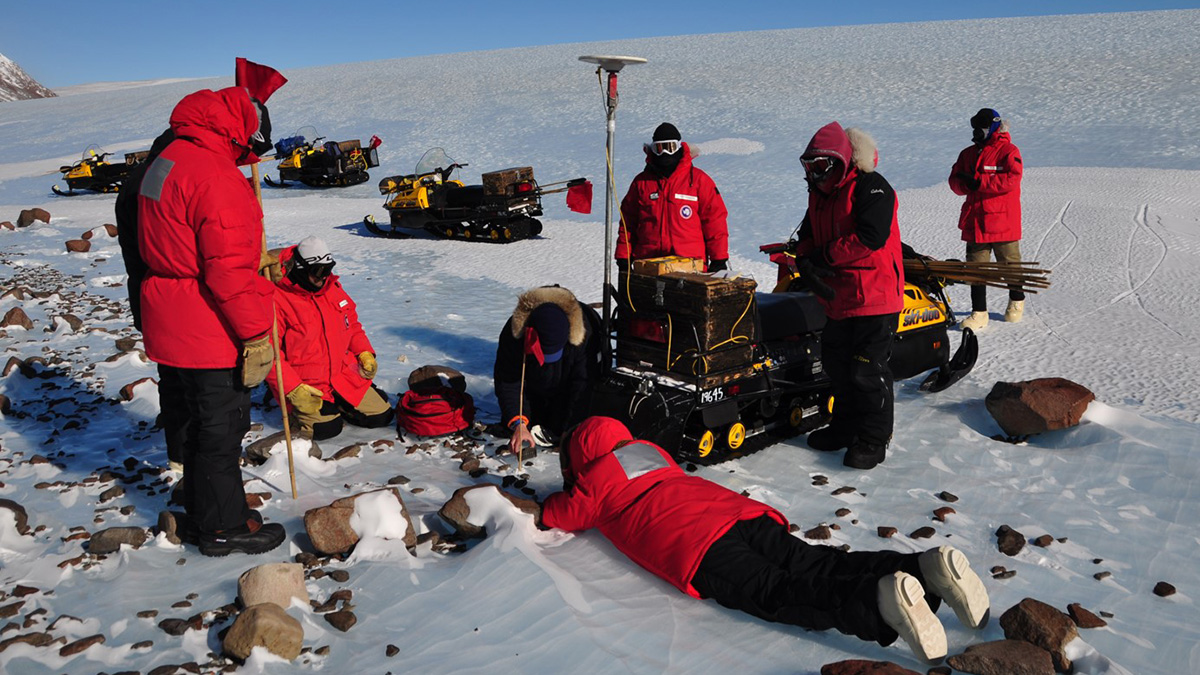
Parka-clad volunteers collecting a meteorite that fell in Antarctica
Posted inENGAGE, News

Machine Learning Pinpoints Meteorite-Rich Areas in Antarctica

Katherine Kornei, Science Writer by Katherine Kornei 1 March 202227 March 2023

A new algorithm suggests that only a small fraction of meteorites present on the White Continent’s surface have been recovered to date.
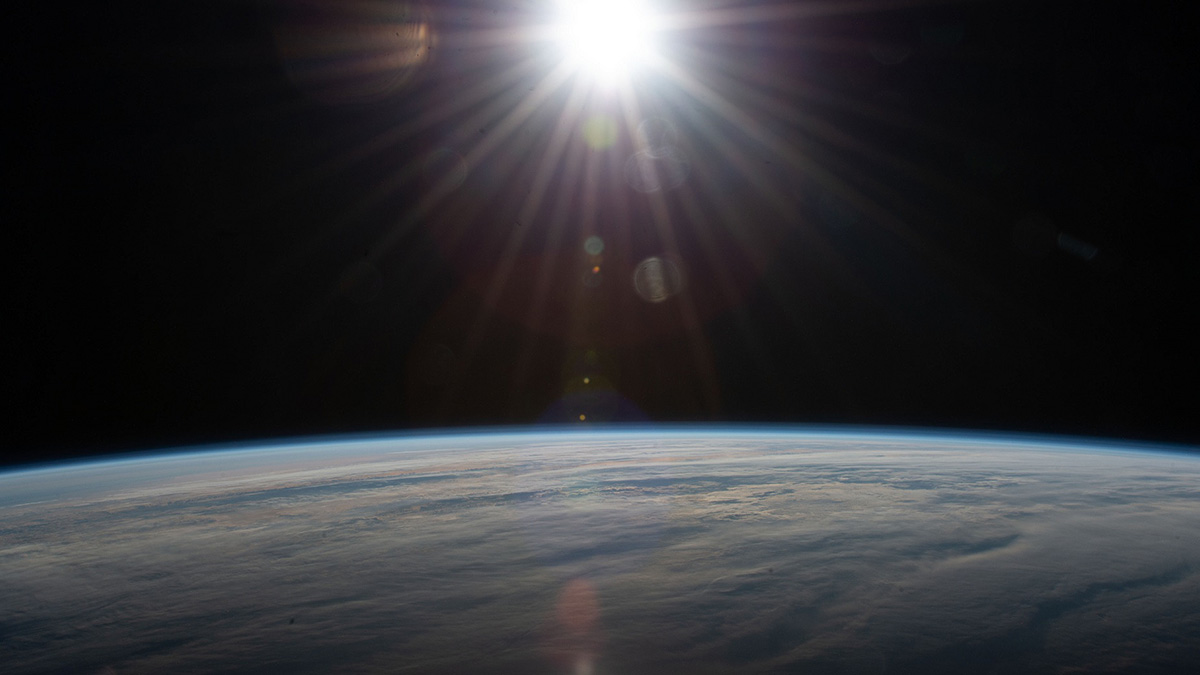
Una explosión de luz solar sobre una Tierra nublada.
Posted inENGAGE, News

Pequeños cambios climáticos podrían verse magnificados por procesos naturales

Damond Benningfield, Science Writer by Damond Benningfield 1 March 202227 March 2023

Un nuevo estudio utiliza técnicas de modelado para descubrir cómo pequeños incidentes de calentamiento pueden convertirse en eventos hipertermales que duran miles de años.

Satellite image of Anak Krakatau, Indonesia, with one slope covered in sediment.
Posted inENGAGE, News

Which Came First, the Eruption or the Landslide?

by Saima May Sidik 25 February 202227 March 2023

Anak Krakatau’s eruption was accompanied by a devastating tsunami. But was the eruption to blame?

Coals smolder in a dark fireplace.
Posted inENGAGE, News

Coal Seam Fires Burn Beneath Communities in Zimbabwe

by Andrew Mambondiyani 15 February 202227 March 2023

Underground fires threaten the health of people and livestock living near mines supporting the country’s growing coal industry.

Chicago, Ill., along the shore of Lake Michigan
Posted inENGAGE, News

Lake Michigan’s Salinity Is on the Rise

by Robin Donovan 7 February 202227 March 2023

Road salt is primarily to blame for the shift, though the water remains within safe levels for now.

Increased rainfall and floods threaten the urban landscape of Abidjan, Ivory Coast.
Posted inENGAGE, News

Deforestation Is Flooding West African Coasts

by Humberto Basilio 7 February 202227 March 2023

The lack of trees is contributing to increased rainfall along the coast of southwest Africa, where communities are already vulnerable to flash flooding.

Posts pagination

Newer posts 1 … 13 14 15 16 17 … 26 Older posts
Over a dark blue-green square appear the words Special Report: The State of the Science 1 Year On.

Features from AGU Publications

Research Spotlights

Rapid-Scan Satellite Data Offer Clues to Typhoon Intensity

17 November 202617 November 2026
Editors' Highlights

Rethinking Where Rivers Begin

18 November 202616 November 2026
Editors' Vox

Bringing Python Solutions to Earth Science Challenges

19 November 202619 November 2026
Eos logo at left; AGU logo at right

About Eos
ENGAGE
Awards
Contact

Advertise
Submit
Career Center
Sitemap

© 2026 American Geophysical Union. All rights reserved Powered by Newspack