


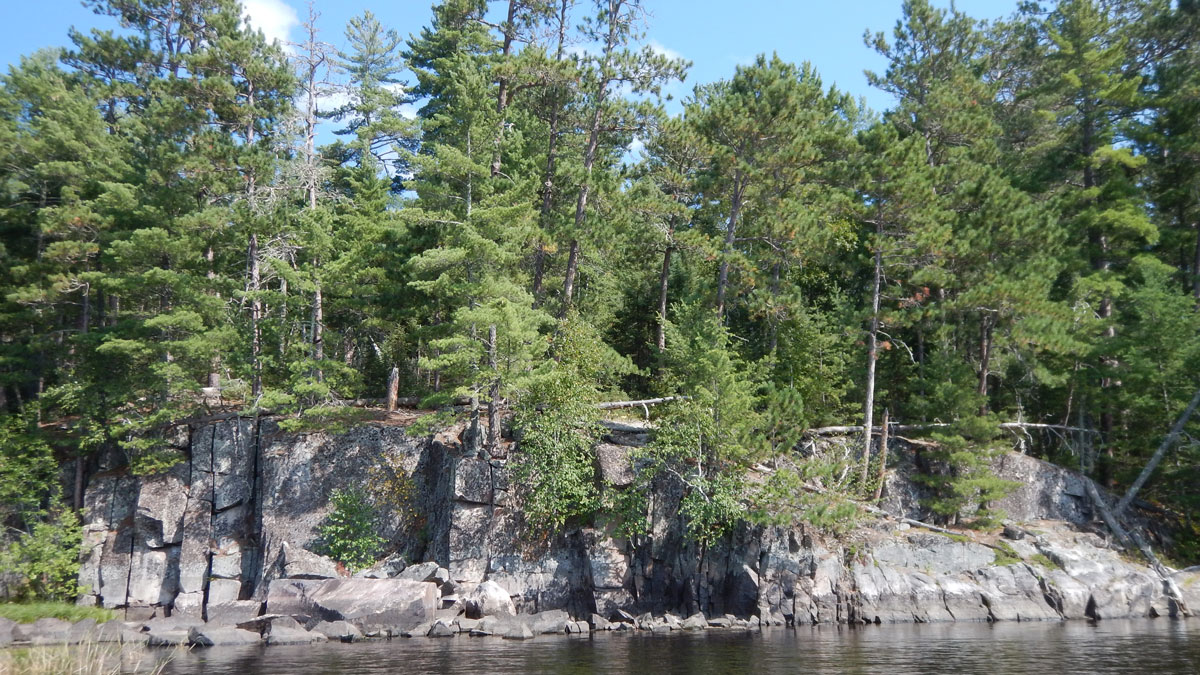
The first comprehensive analysis of what the sarsen stones are made of came about with new technology—and good old-fashioned luck.
ENGAGE

Posted inENGAGE, Science Updates
Recognizing Geology’s Colonial History for Better Policy Today
The Minnesota Geological Survey has contributed to the dispossession of homelands from Indigenous Peoples. The agency is creating more just policies.

Posted inENGAGE, News
How the “Best Accidental Climate Treaty” Stopped Runaway Climate Change

The Montreal Protocol halted the destruction of the ozone layer. In the process, it saved one of Earth’s most important carbon sinks.

Posted inENGAGE, News
Heat Pumps Can Lower Home Emissions, but Not Everywhere
A new study shows that in the right places, heat pumps can help homeowners lower greenhouse gas emissions, save on heating and cooling costs, and promote public health.

Posted inNews
Forecast: 8 Million Energy Jobs Created by Meeting Paris Agreement
Quickly switching to renewables will create 5 million more jobs by 2050 than sticking to fossil fuels will, according to projections.
Posted inENGAGE, News
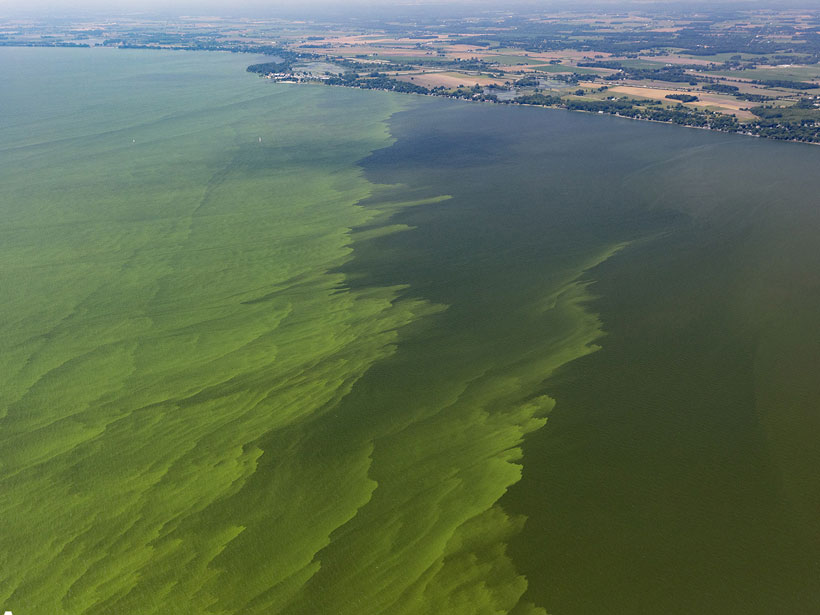
Lake Erie Sediments: All Dredged Up with Nowhere to Grow
Agriculture is a key contributor to the algae mats that plague Lake Erie. With so many fertilizers entering the lake, could sediment from the lake floor be used to grow crops instead?
Posted inENGAGE, GeoFIZZ
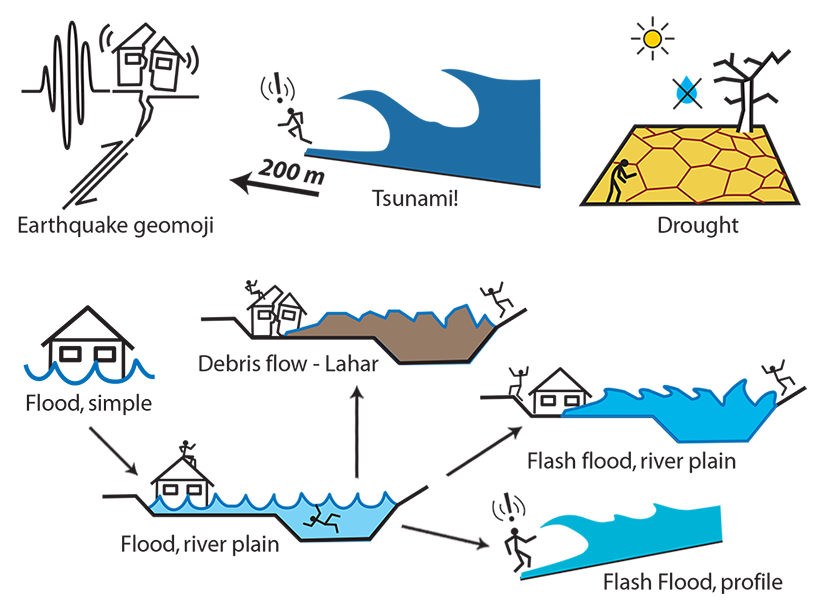
Los geomojis traducen la geociencia a cualquier idioma

Pictogramas recién creados tienen como objetivo comunicar fácilmente los términos de geociencia y geopeligro.

Posted inENGAGE, Research Spotlights
Amazon Deforestation and Fires are a Hazard to Public Health

Deforestation in the Amazon has dropped since the early 2000s, but it is slowly climbing again. A new study shows the impact of that climb on public health—and how much worse conditions could be.

Posted inENGAGE, News
How Can Wristbands Monitor Pollution, PAHs, and Prenatal Care?

Silicone wristbands can help monitor pregnant women’s exposure to polycyclic aromatic hydrocarbons. Tracking these toxic chemicals, produced by combustion, could improve public health outcomes.